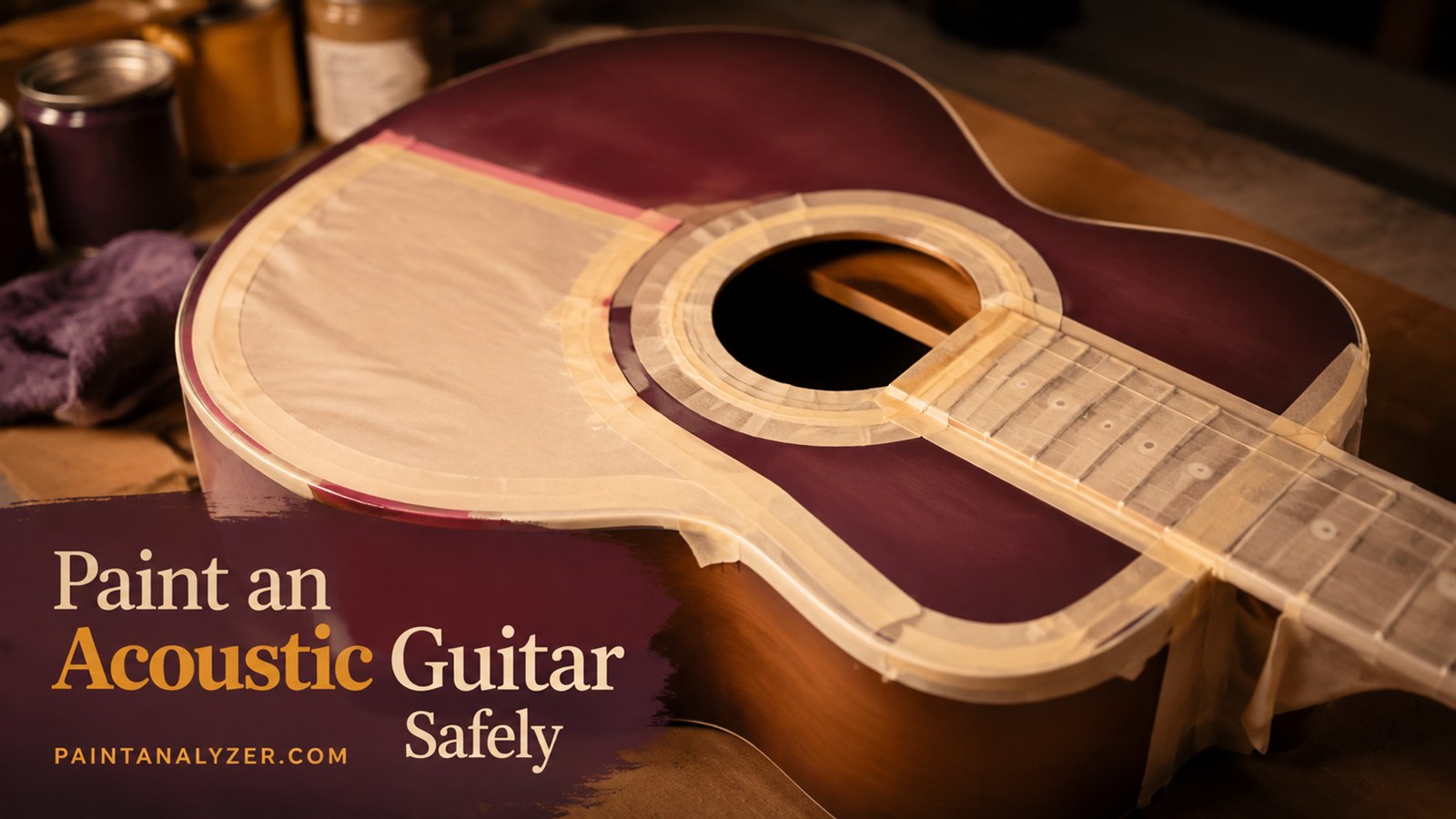
How to Paint an Acoustic Guitar Properly Without Damaging It
Painting a guitar is achievable but genuinely delicate work — protecting the sound hole, hardware, and finish quality on an instrument you actually intend to keep playing takes real care.
Painting techniques for wood, walls, ceilings, and more.
Painting a guitar is achievable but genuinely delicate work — protecting the sound hole, hardware, and finish quality on an instrument you actually intend to keep playing takes real care.
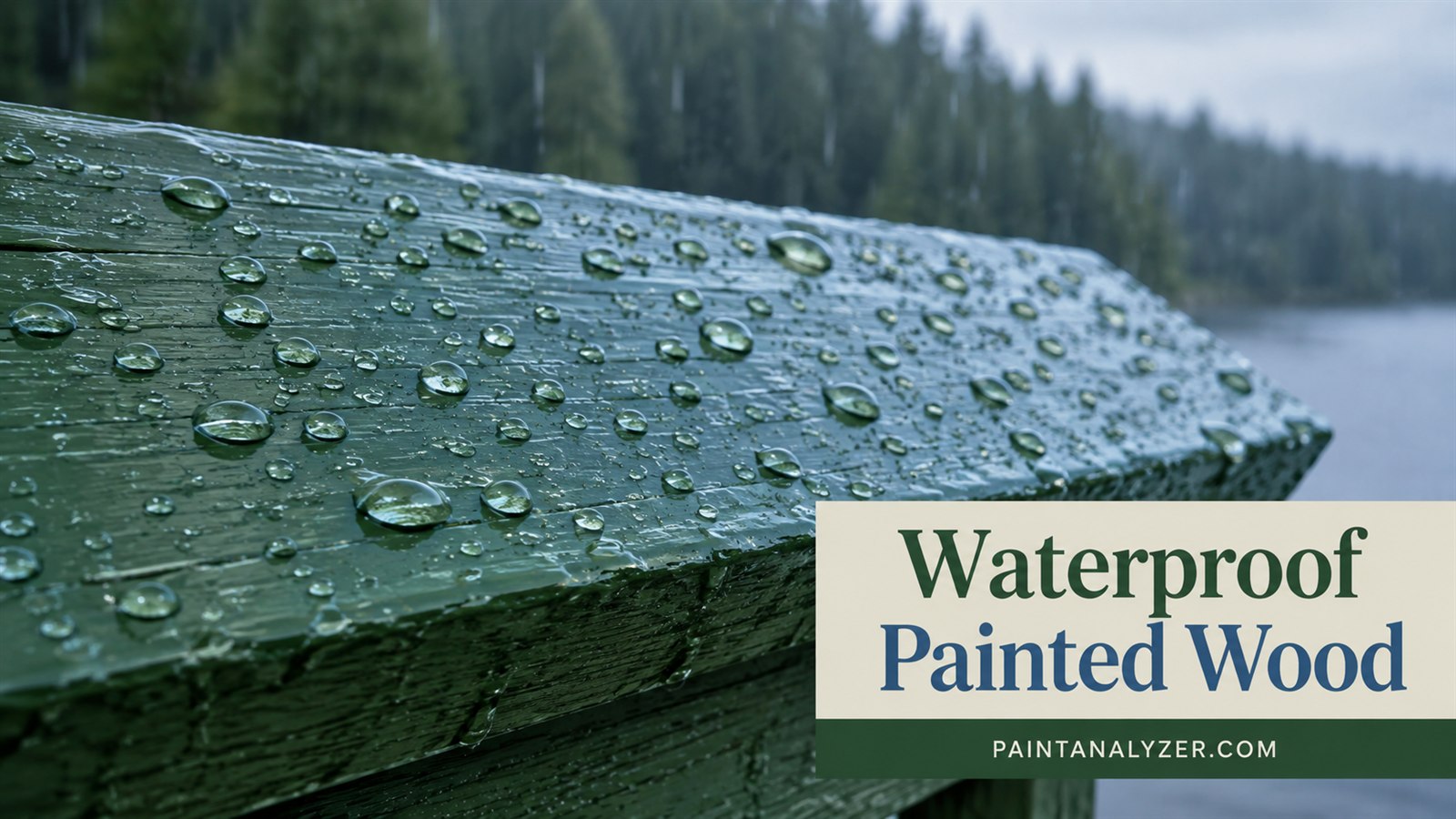
TSP (trisodium phosphate) cuts through kitchen grease and grime more effectively than standard household cleaners, making it a genuinely useful step in cabinet painting prep.
Standard paint alone offers limited water resistance — a dedicated waterproof sealant topcoat is what actually protects painted wood from genuine, sustained moisture exposure.
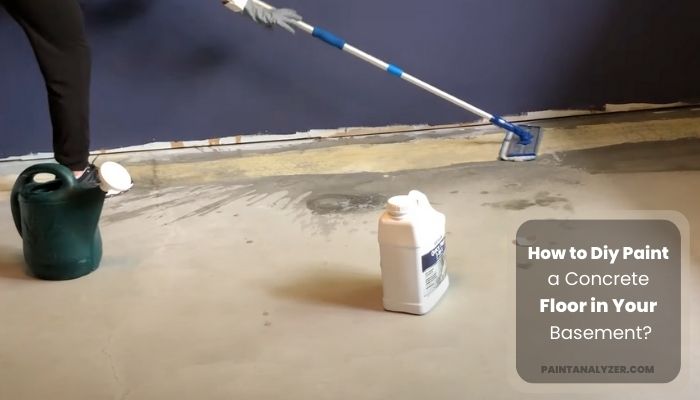
A basement floor's higher moisture exposure makes a genuine moisture test and a proper epoxy or masonry floor paint more important here than for an above-grade concrete floor.
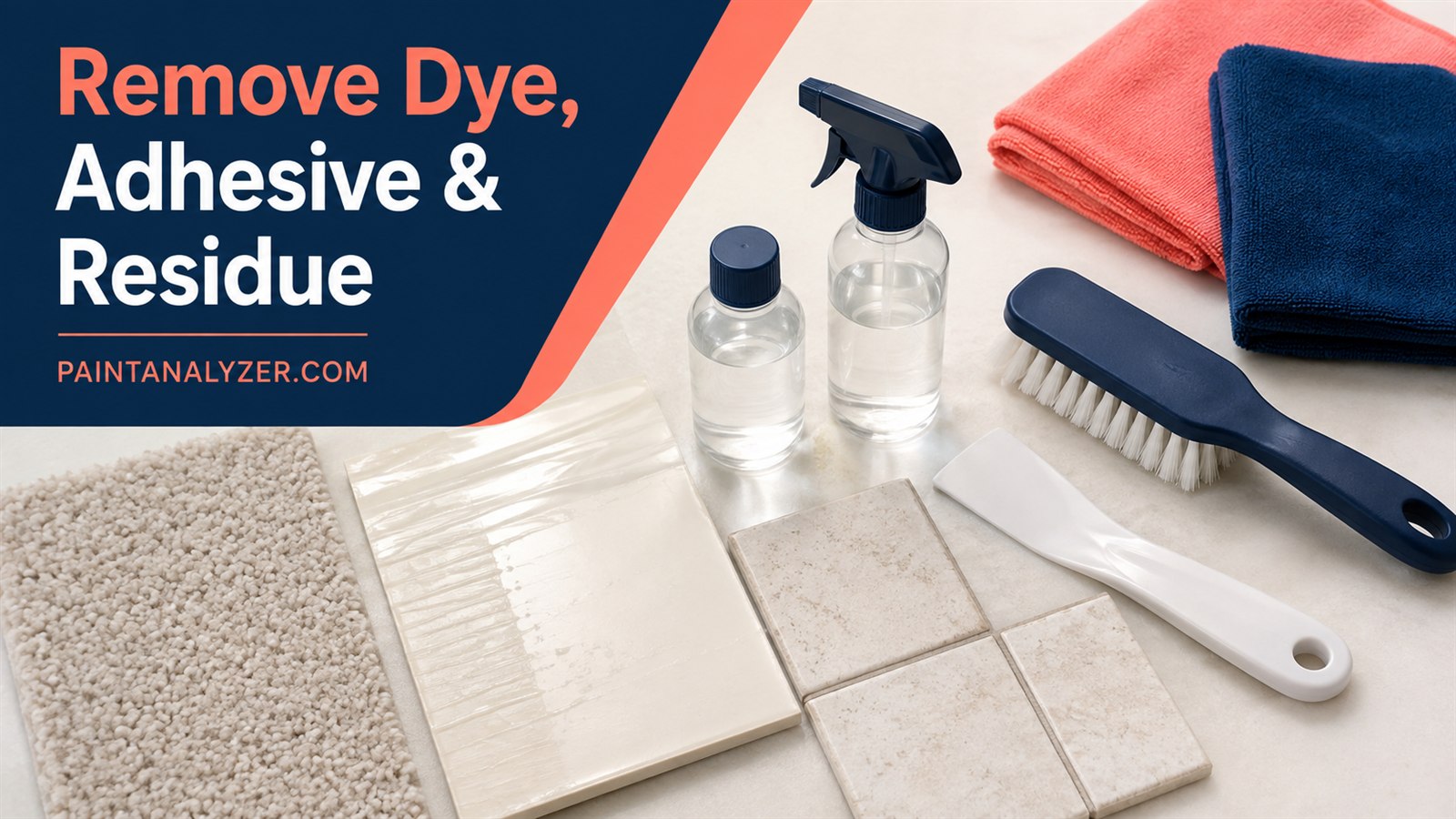
A handful of common household cleanup problems — dye in carpet, dried paint on plastic, old tile adhesive, dried caulk on hands — each have a specific, straightforward solution.
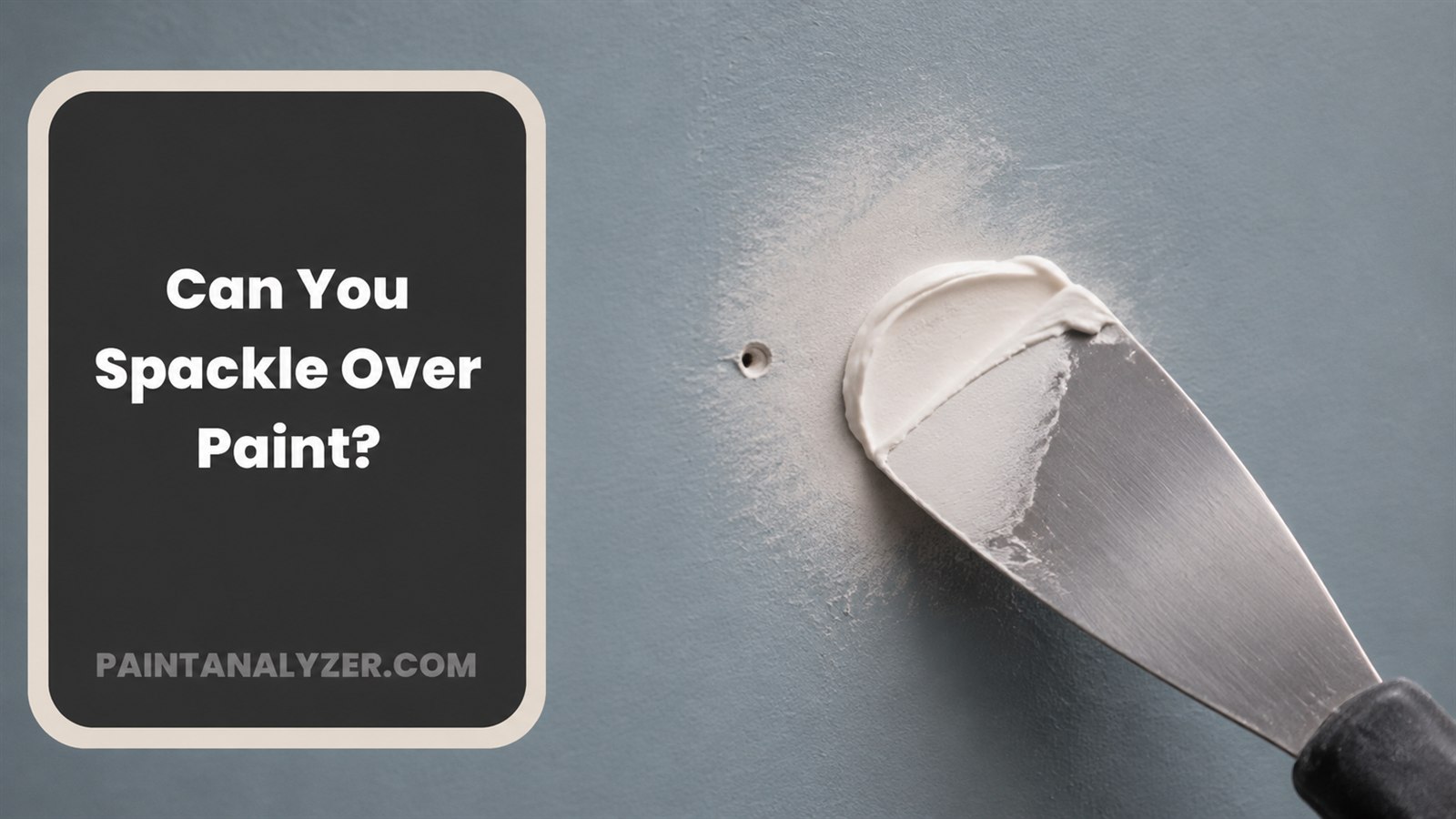
Yes — spackle bonds fine to most painted surfaces, but glossy paint needs a quick scuff-sand first, and the patch itself always needs to be repainted, not left bare.
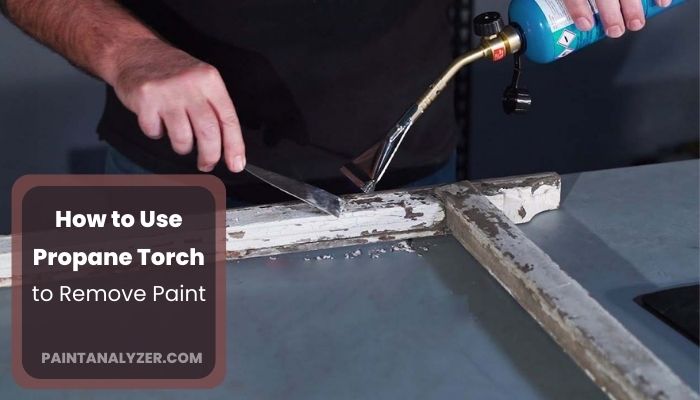
Heat guns and torches remove paint quickly, but real fire risk and lead paint concerns mean this method needs genuine safety precautions, not just careful handling.
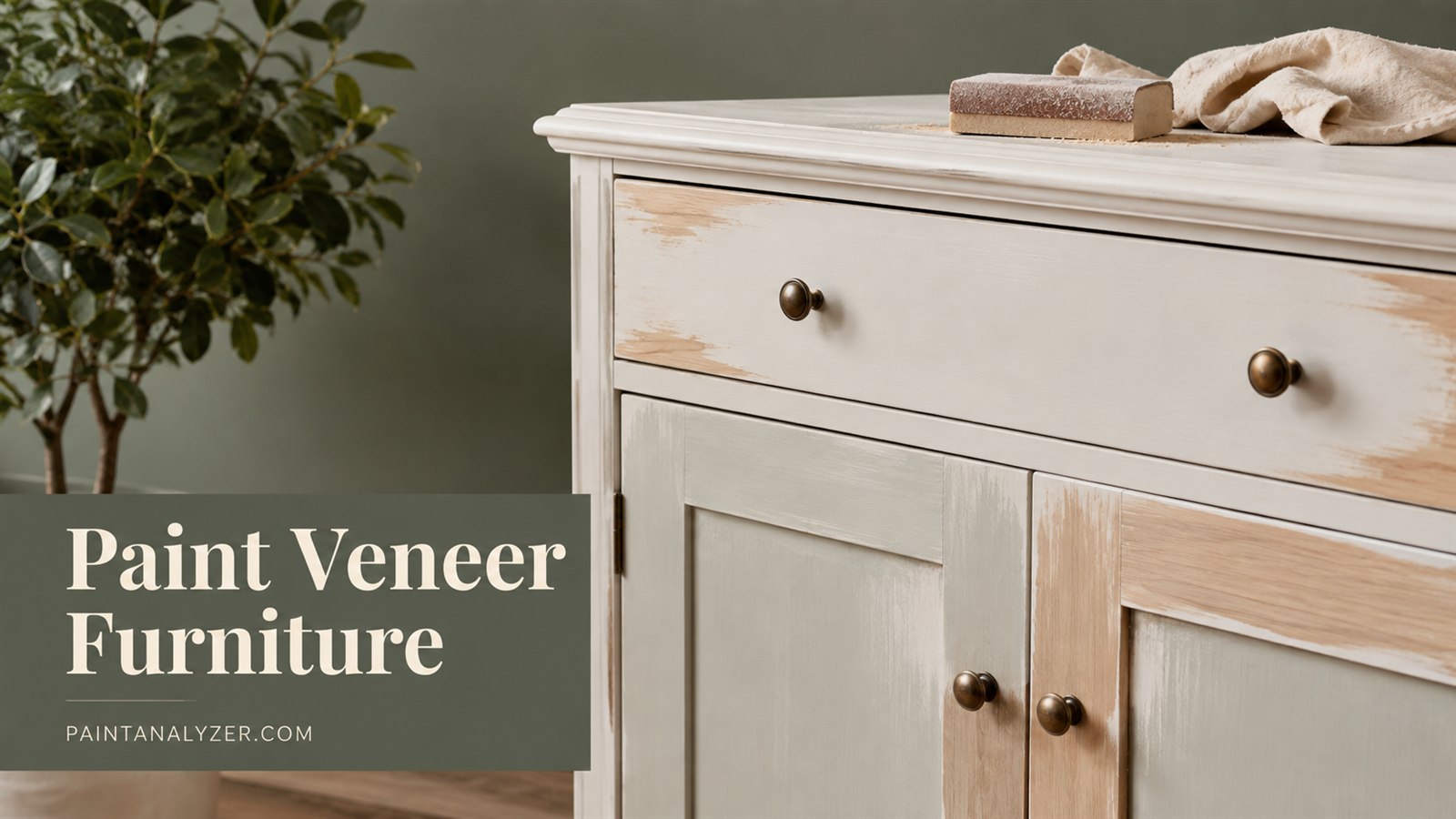
Veneer's thin wood layer needs a gentler touch than solid wood — light sanding and a bonding primer work well, but aggressive sanding risks cutting through to the substrate underneath.
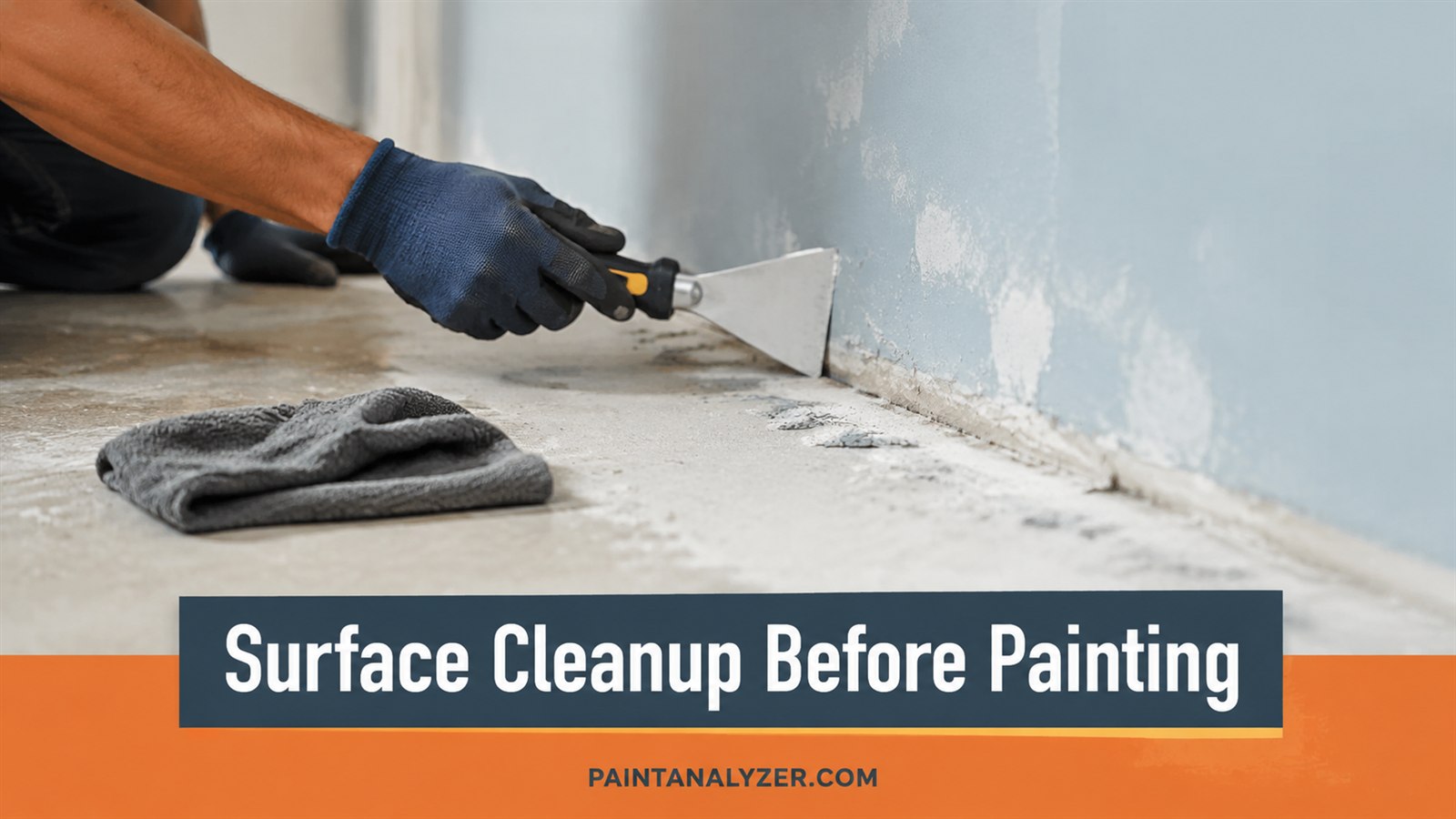
A clean, residue-free surface is the foundation of any good paint job — here's how to deal with the specific leftover messes (glue, caulk, primer, stains, and general residue) that commonly show up on walls and floors before painting.
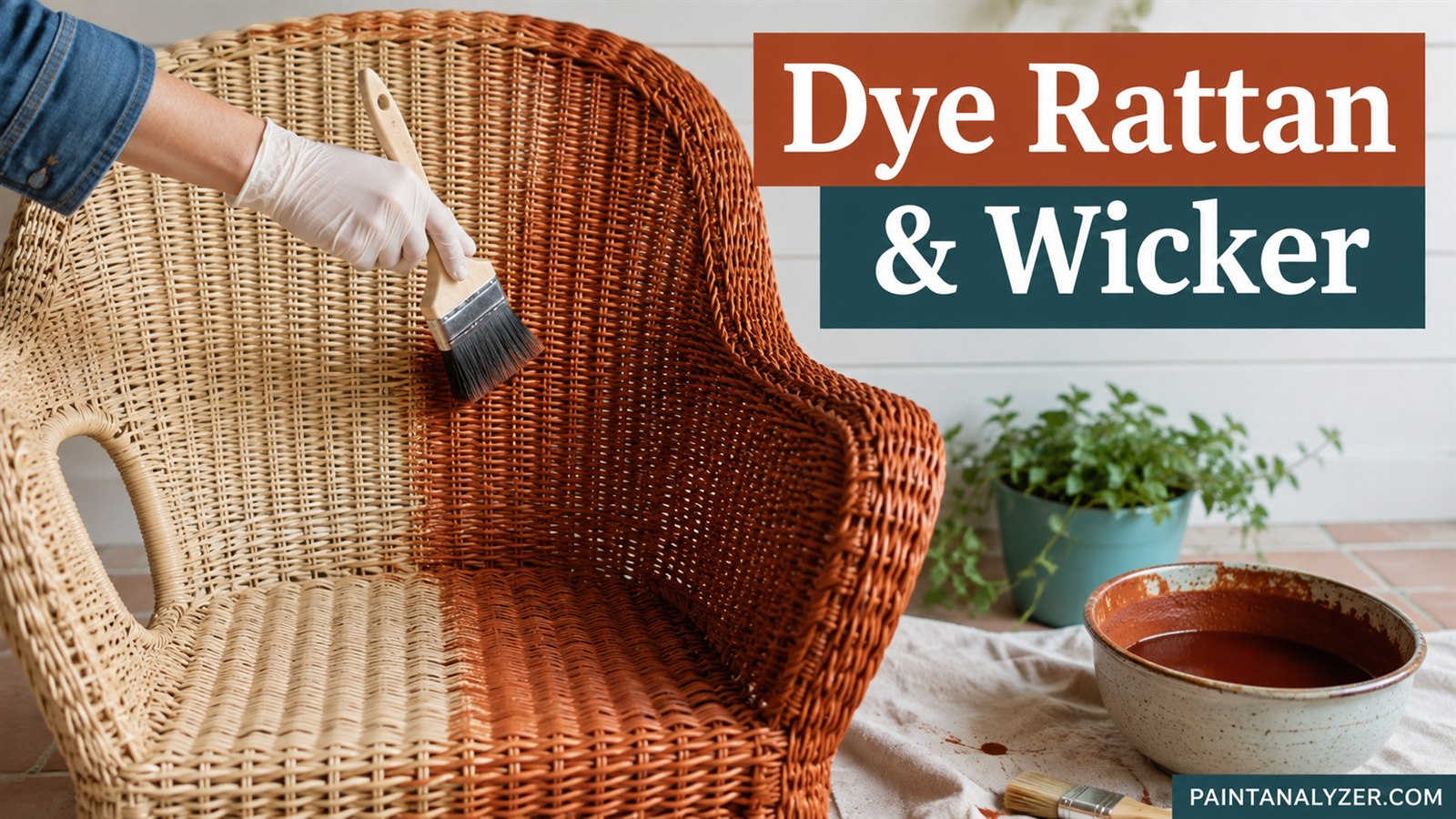
Wood dye penetrates rattan and wicker's tightly woven surface more evenly than paint, preserving the natural woven texture while still delivering genuine, lasting color.
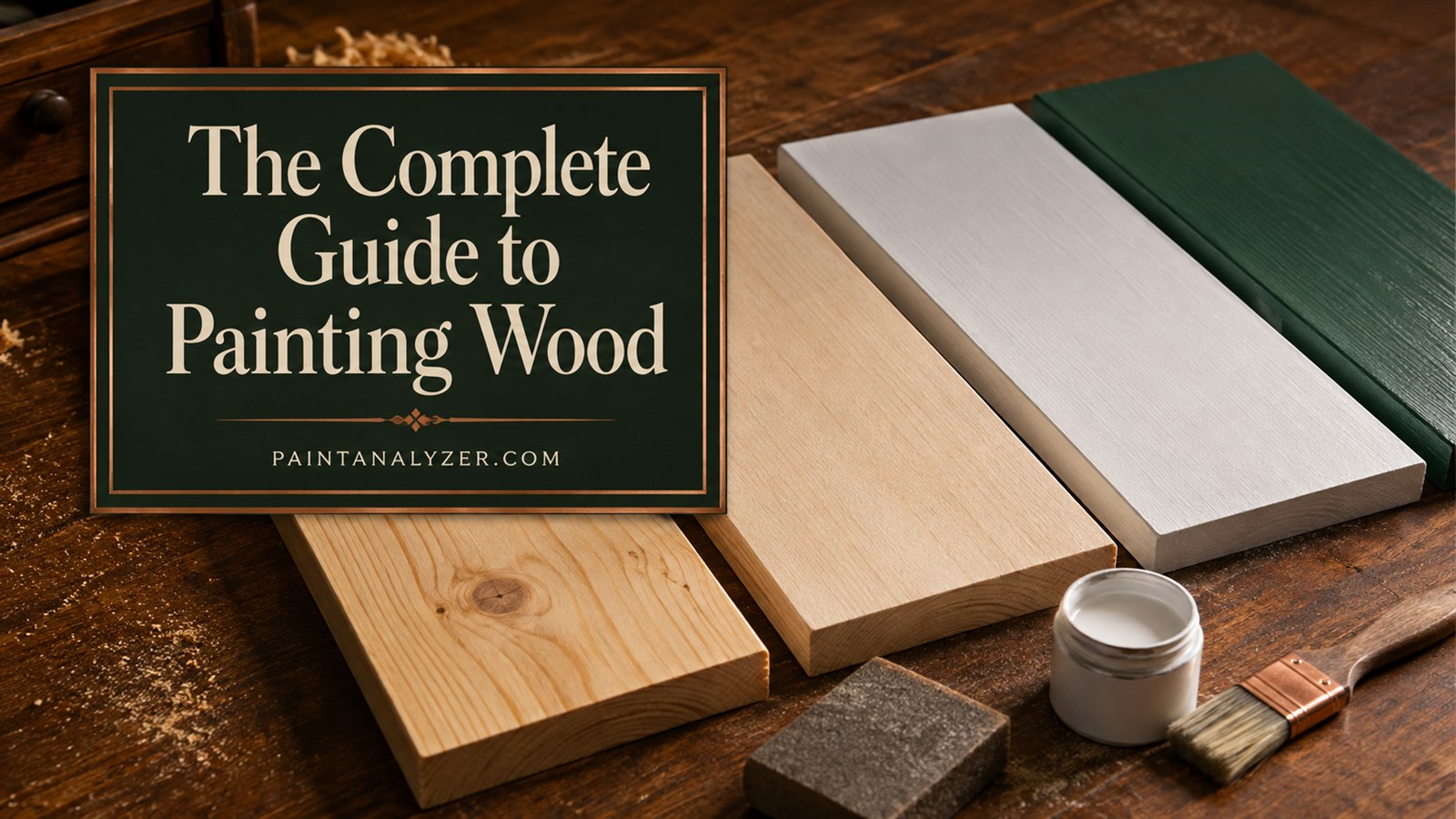
Painting wood is a genuinely different process from painting other materials, driven by wood's natural grain, absorbency, and tendency to move seasonally with humidity.
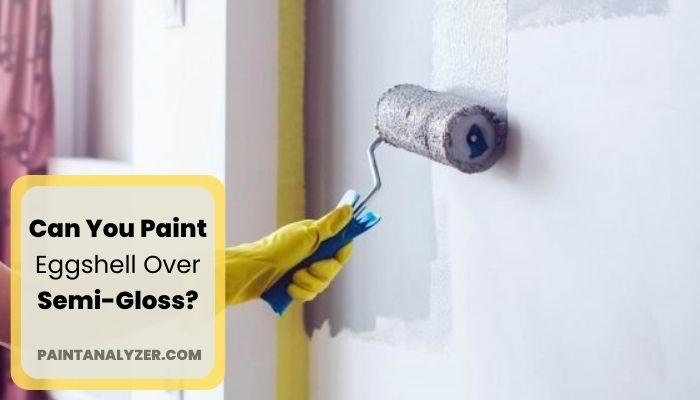
Painting a lower sheen over a higher one works, but only if you deglass the surface first — skip that step and the new coat will not bond properly.