How to Remove Spray Paint From Plastic
Plastic is the trickiest surface for this — many of the strongest paint solvents also dissolve or cloud plastic itself, so the safe removers are gentler and slower than what works on metal or glass.
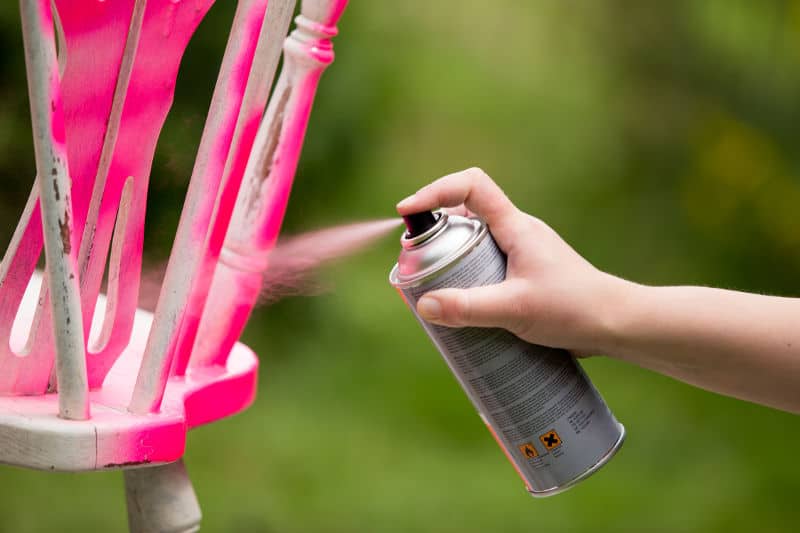
Spray paint technique, waterproofing, and cleanup.
Plastic is the trickiest surface for this — many of the strongest paint solvents also dissolve or cloud plastic itself, so the safe removers are gentler and slower than what works on metal or glass.
Technically yes, but rolling defeats much of dry-fall paint's specific purpose — it's formulated to dry into a fine, largely non-adhesive dust in mid-air specifically for spray application in industrial settings.
Wet-sanding too early smears rather than smooths — most spray paint needs at least 24-48 hours of cure before it's hard enough to wet-sand cleanly, and a fully cured finish sands even better.
Blotchy, streaky spray paint almost always traces back to distance, speed, or temperature at the time it was applied — the fix depends on whether the unevenness is texture (fixable by sanding and recoating) or color (fixable with another coat alone).
Most paint is too thick to spray straight from the can — the right thinning ratio depends on the paint type and gun, and testing on scrap material first is not optional.
Touch-dry, recoat time, and full cure are three different timelines — treating the first as if it were the last is the most common spray paint mistake.
A metal bed frame follows standard metal-painting practice, but its many joints, welds, and tight angles genuinely benefit from disassembly and spray application rather than trying to brush it fully assembled.
Proper masking is the foundation, but technique and equipment choice both meaningfully reduce how much overspray is generated in the first place, not just how well it's contained.
The acute inhalation risk from solvent fumes drops sharply once spray paint is dry to the touch — but full off-gassing and cure can take considerably longer, and dried paint dust from later sanding is its own separate concern.
Upright storage is the safer, more reliable default — storing cans on their side for extended periods risks the paint settling unevenly and can affect the internal dip tube's function.
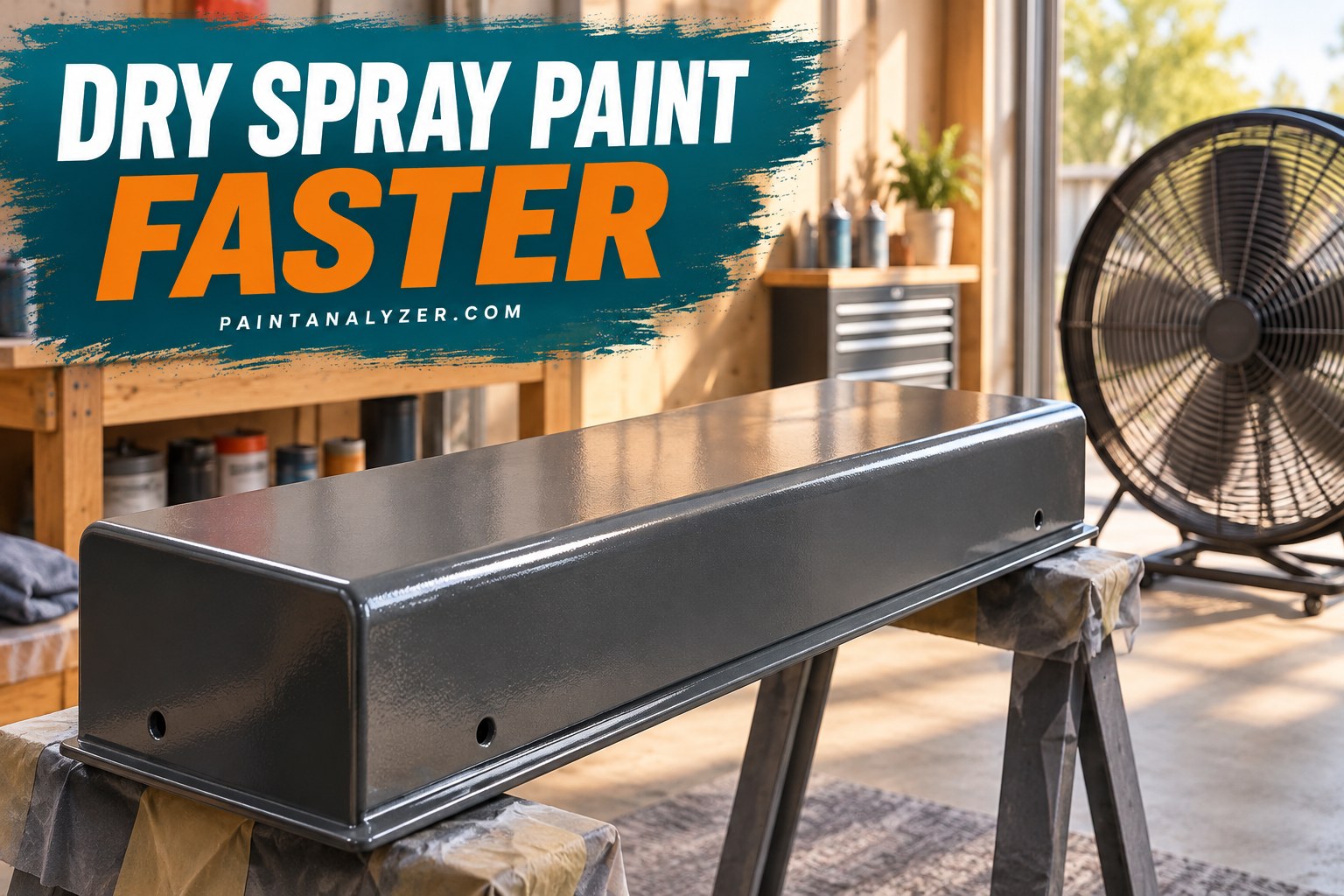
Thin coats, good airflow, and moderate warmth all genuinely speed drying — the one thing to avoid is excessive heat, which can cause the surface to skin over while trapping still-wet paint underneath.
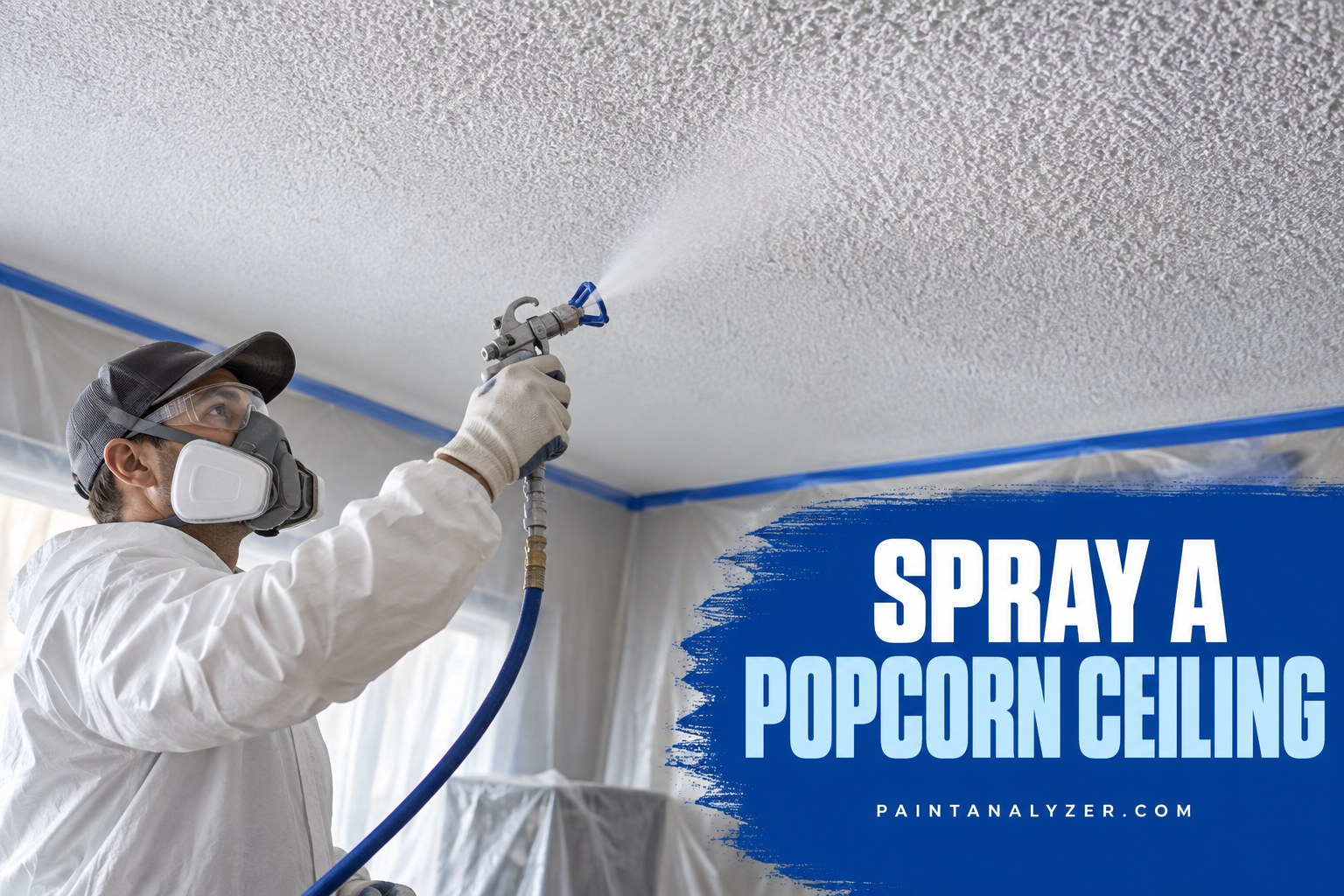
Popcorn ceiling's fragile, textured surface calls for lighter spray pressure and more passes than a standard flat ceiling, to avoid dislodging the texture itself.