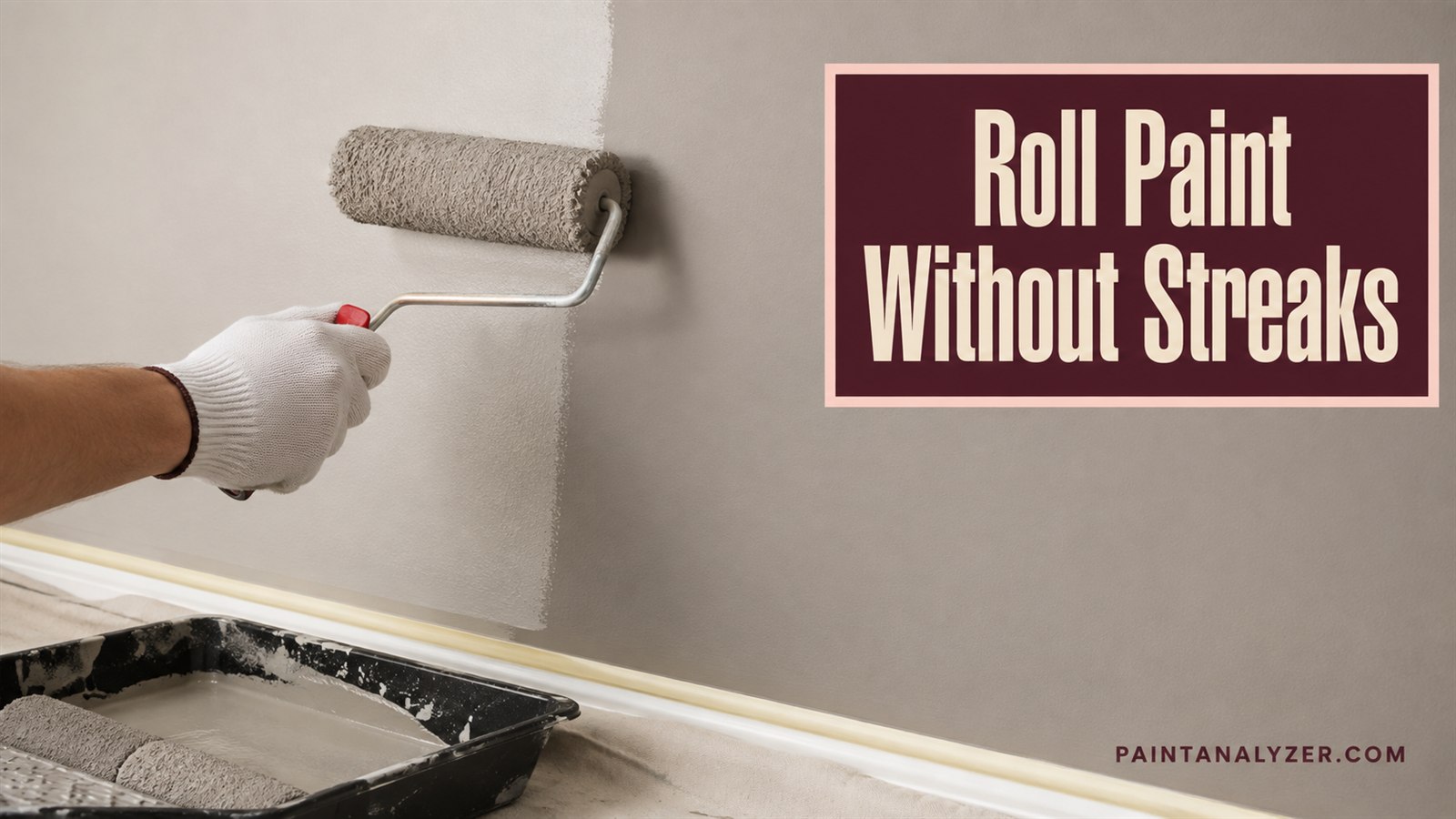
How to Paint With a Roller Without Streaks
Roller streaks almost always trace back to one of a few specific causes — the wrong nap, too little paint, or an inconsistent rolling pattern — each with a straightforward fix.
Painting techniques for wood, walls, ceilings, and more.
Roller streaks almost always trace back to one of a few specific causes — the wrong nap, too little paint, or an inconsistent rolling pattern — each with a straightforward fix.
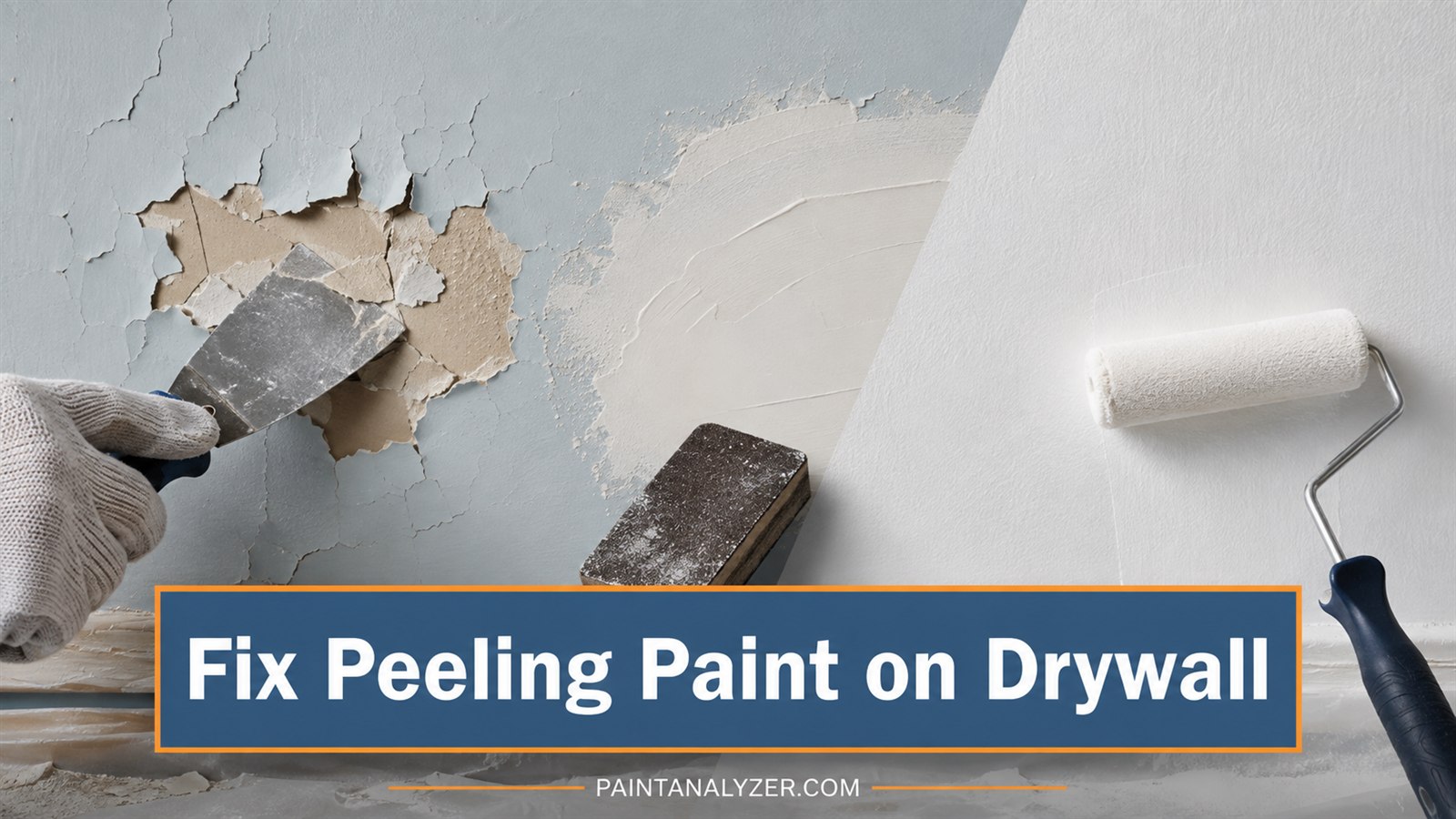
Peeling paint on drywall almost always points to a moisture or adhesion problem that needs addressing before repainting, not just scraping and covering it back up.
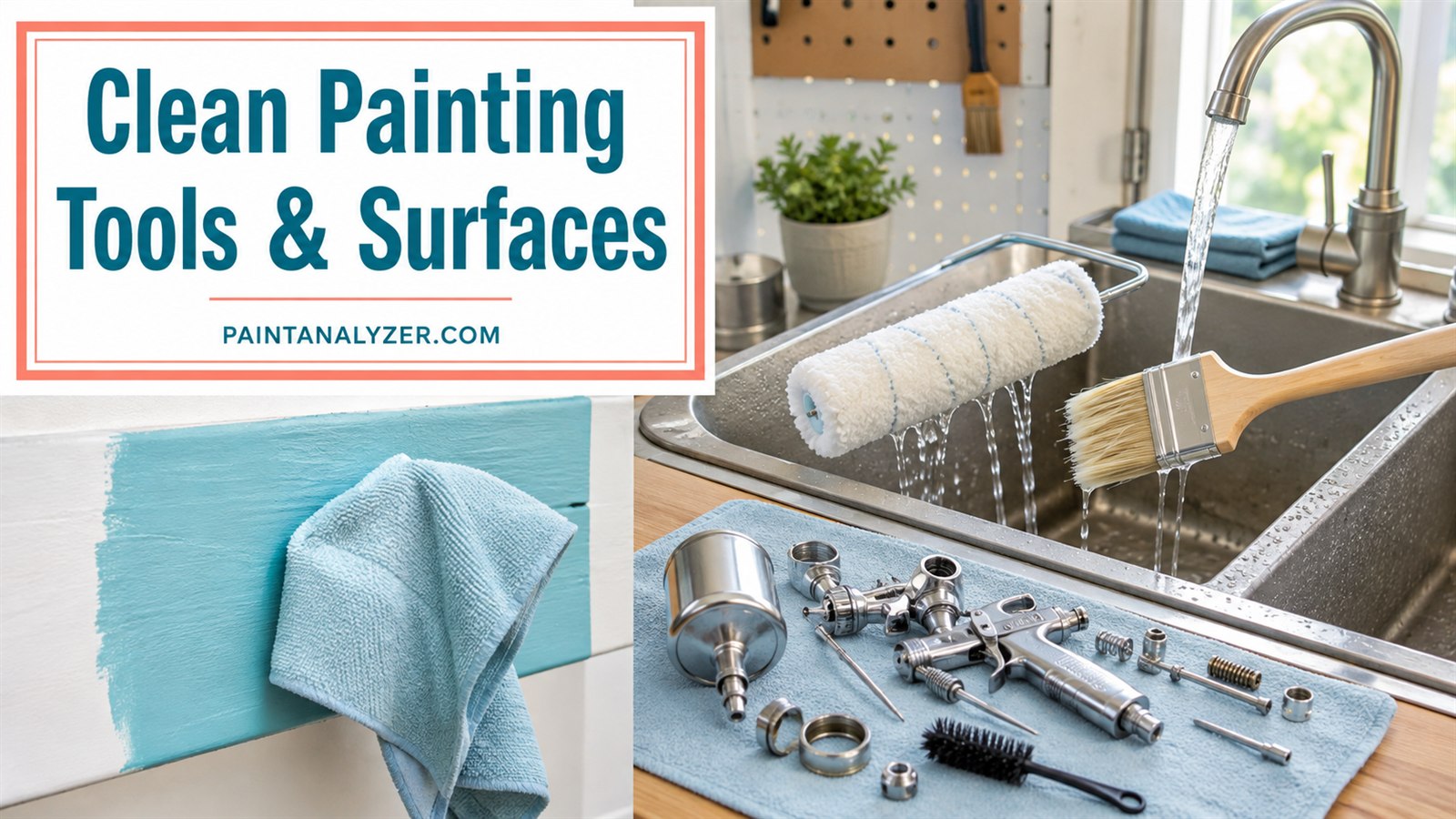
From painted walls to a canvas painting to an HVLP spray gun, each of these needs its own specific cleaning approach to avoid damaging the paint or the tool itself.
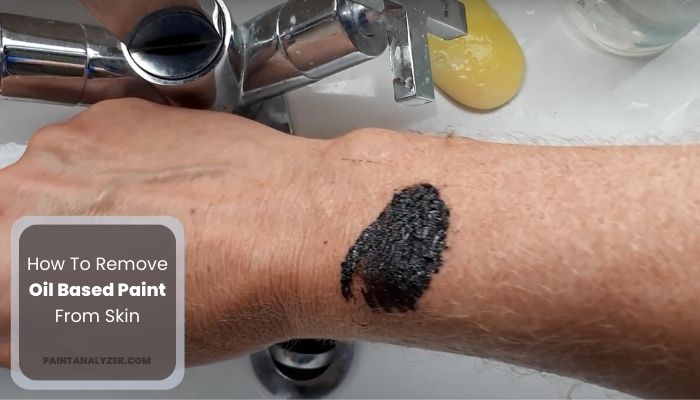
From primer on your hands to tempera paint on a kid's shirt, most of these body and clothing messes respond to the same core approach: act fast, and match the solvent to the paint type.
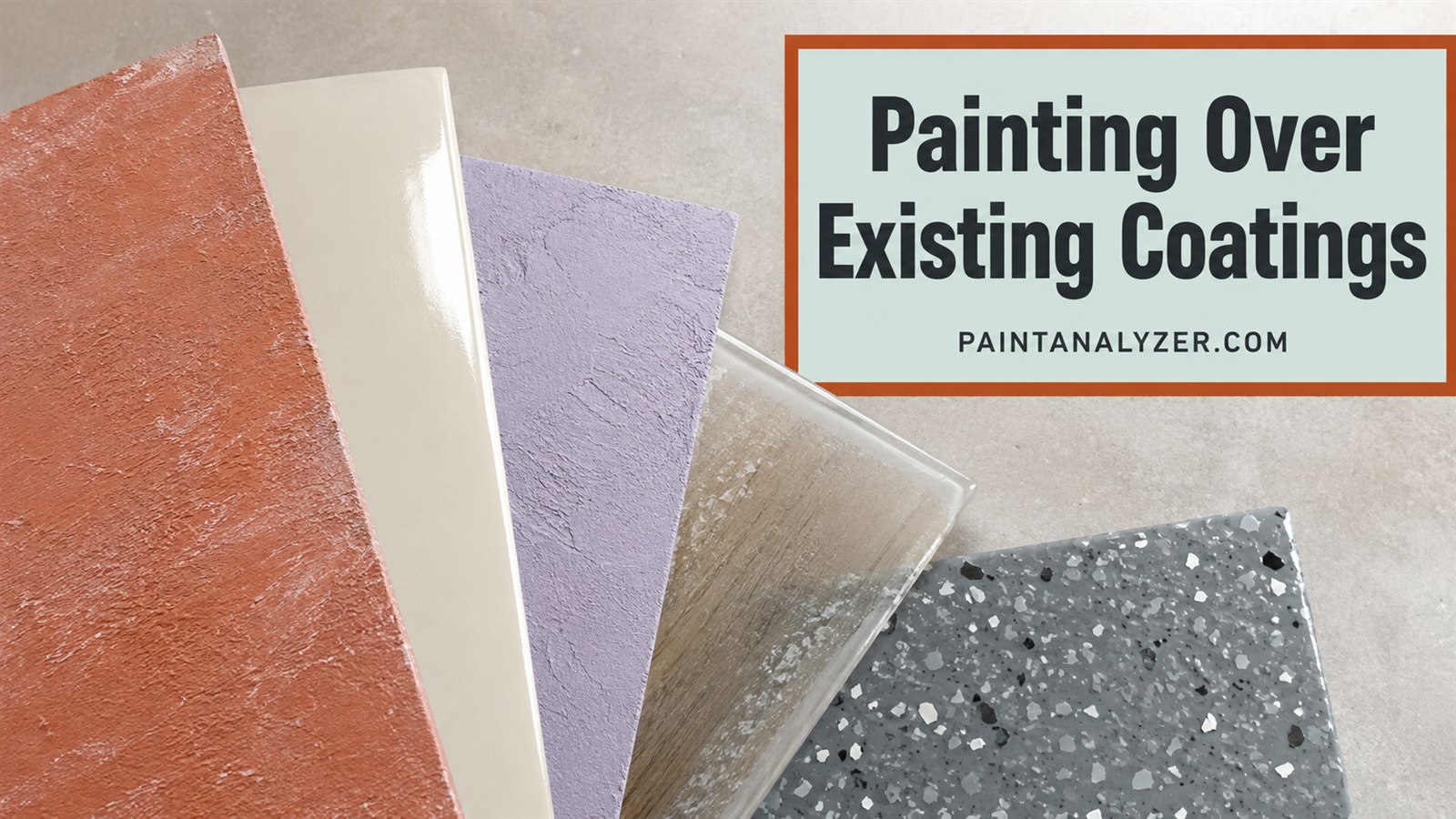
From lacquer to limewash to garage floor epoxy, each of these existing coatings needs its own specific prep approach before new paint will actually stick and last.
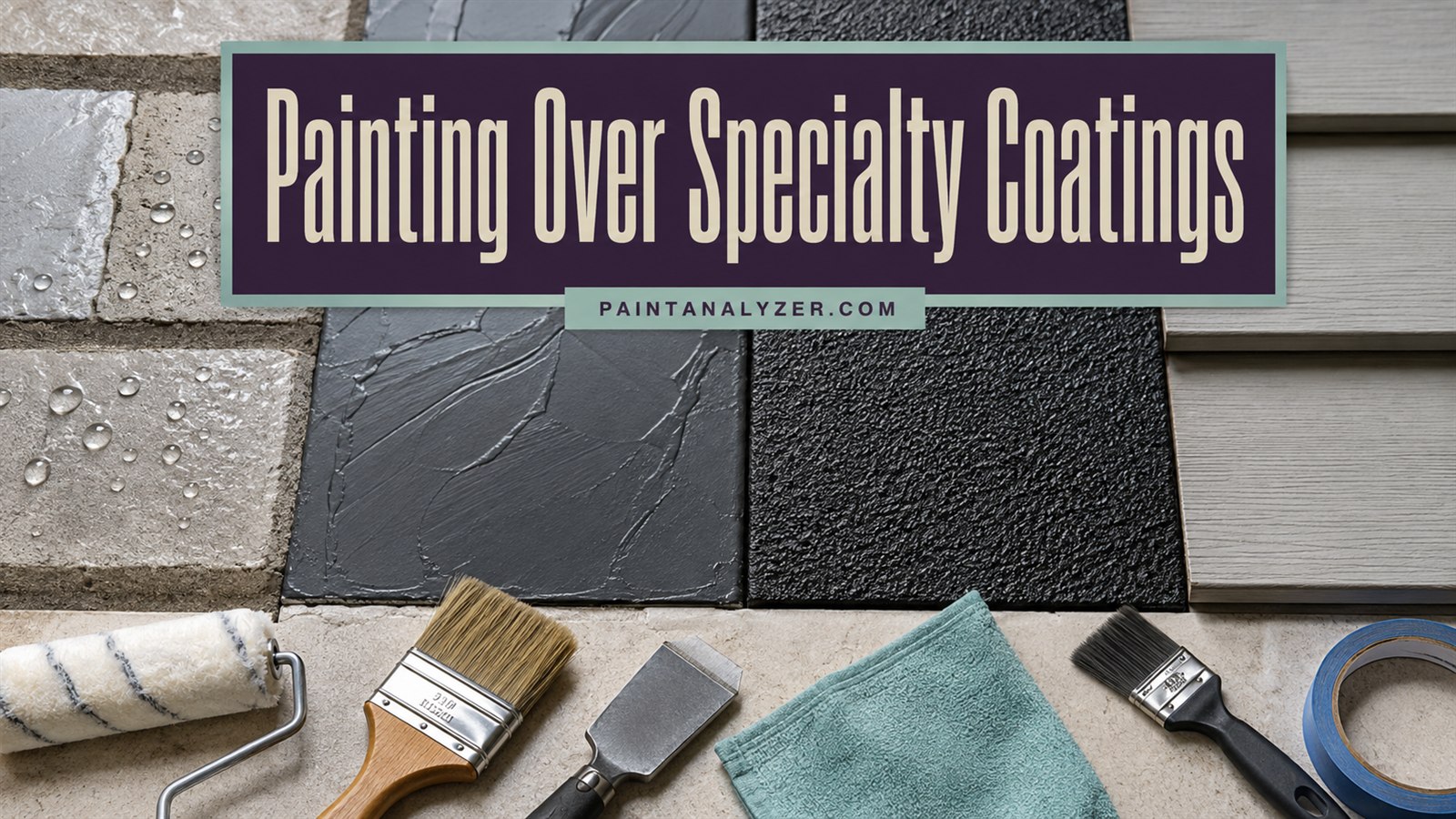
From masonry waterproofing paint to truck bed liner coating, each of these specialty products has its own specific surface chemistry that determines whether and how new paint will actually stick.
Pure tung oil is a popular, food-safe-adjacent choice for garden bed wood, penetrating and hardening within the wood rather than sitting on top as a film the way paint does.
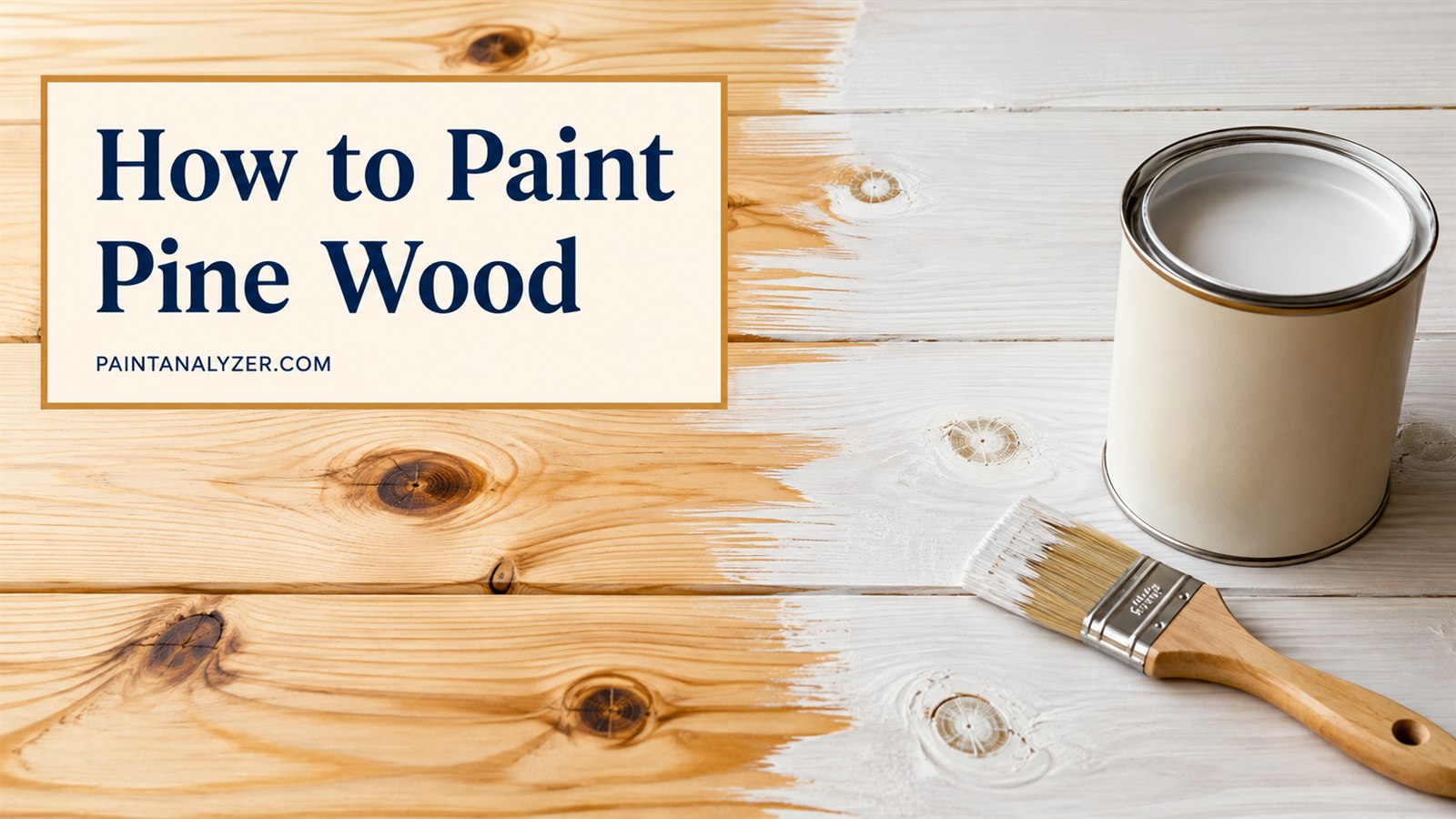
Pine's soft, resinous, knot-prone nature calls for real attention to tannin blocking and knot treatment specifically — skip those and even a well-applied topcoat can discolor within months.
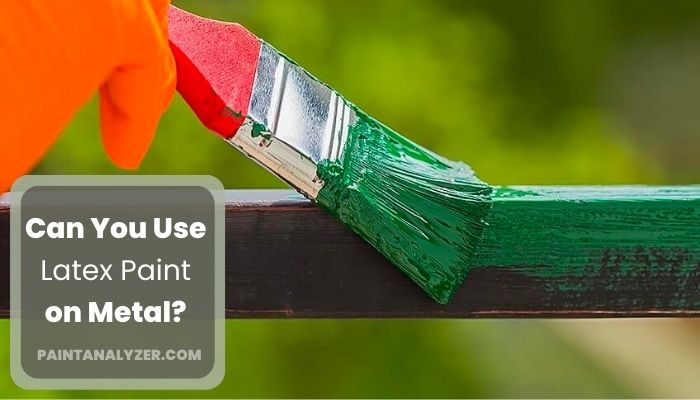
Yes, with the right primer — modern 100% acrylic latex paint, over a genuine metal (ideally rust-inhibiting) primer, performs well and has largely closed the durability gap with oil-based paint on metal.
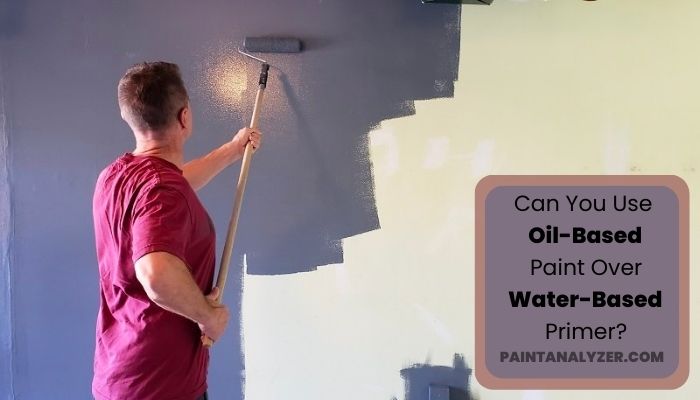
Yes, and it's actually a common, recommended combination — the reverse direction (water-based paint over oil-based primer) is the one that needs real caution.
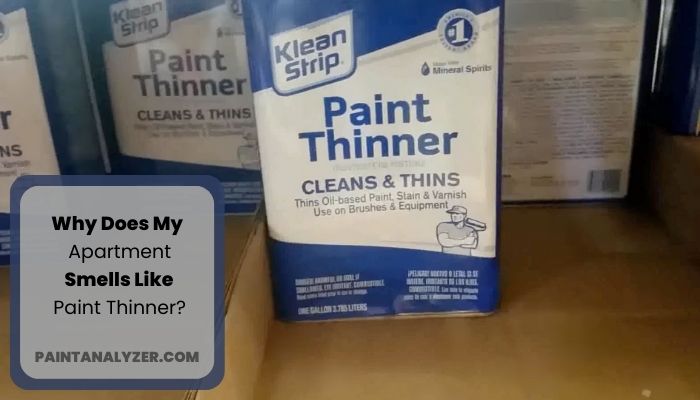
Fresh paint is not the only cause — cleaning products, nail polish remover, certain adhesives, and even some cooking sprays can produce a very similar solvent smell.
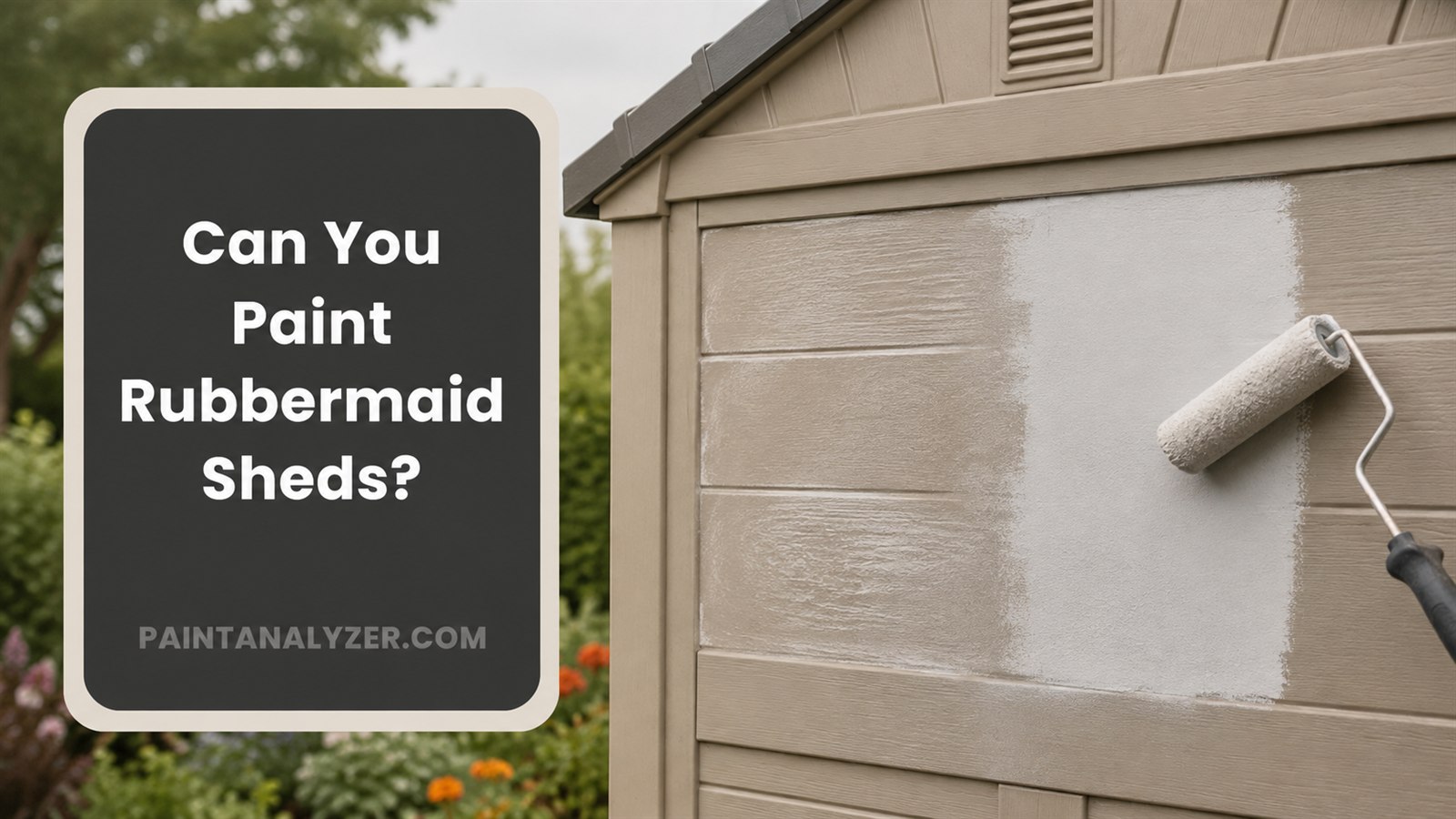
Yes, using the same plastic-adhesion approach covered for other resin/polyethylene items — a bonding primer specifically rated for plastic is the step that actually determines whether the paint holds up outdoors.