
How to DIY Paint a Concrete Floor in Your Basement
A basement floor's higher moisture exposure makes a genuine moisture test and a proper epoxy or masonry floor paint more important here than for an above-grade concrete floor.
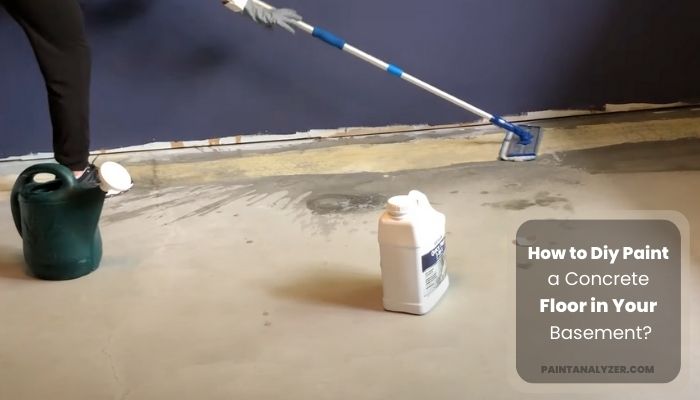
Painting a basement concrete floor follows the general concrete painting fundamentals covered throughout this site, with one especially important addition — basements face genuinely higher moisture exposure than above-grade concrete, making a real moisture assessment a critical, non-skippable first step.
1. Test for moisture before doing anything else
Following the moisture testing approach covered for concrete prep elsewhere on this site (taping plastic sheeting to the floor and checking for condensation after a day), confirming the basement floor doesn't have an active moisture problem is essential — painting over unresolved moisture issues is one of the most common and preventable causes of basement floor paint failure.
2. Address any moisture issue before painting
If moisture is detected, addressing the actual source (improving exterior drainage, fixing a foundation crack, adding a dehumidifier for ongoing humidity control) needs to happen before painting — no paint product reliably performs over a genuinely unresolved moisture problem.
3. Clean and etch or profile the concrete
Following standard concrete prep (cleaning to remove dirt and any efflorescence, etching with a muriatic acid solution or mechanically profiling for adhesion), the basement floor needs the same surface preparation as any concrete floor to give paint something to properly grip.
4. Repair any cracks
Cracks should be filled with an appropriate concrete patching product before painting — basement floor cracks can also be a moisture entry point, so addressing them thoroughly serves both structural and moisture-prevention purposes.
5. Use an epoxy or masonry floor paint rated for basement use
A two-part epoxy floor coating or a masonry floor paint specifically rated for basement or below-grade use provides considerably better moisture resistance than a standard concrete paint not designed for this more demanding environment.
6. Apply in a well-ventilated space
Basements often have more limited natural ventilation than above-grade spaces — ensuring adequate ventilation (fans, open windows or doors where possible) during application and cure time is a practical necessity given many floor paint products' fumes and cure requirements.
7. Allow full cure time before returning items and furniture to the space
Following the specific product's full cure time before moving furniture or storage items back onto the floor protects the still-curing coating from the weight and potential scuffing this would cause, giving the paint job its best chance at long-term durability.
Guides are researched against primary documentation and observable evidence. Archived material is rewritten, checked, and substantially improved before publication.