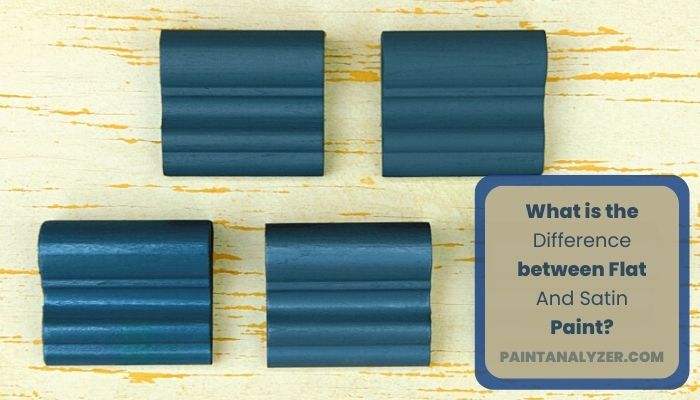
Flat vs Satin Paint: What's the Difference and Where to Use Each
Paint sheen affects durability and washability as much as looks — here is how flat and satin actually differ and which rooms suit each.
Painting techniques for wood, walls, ceilings, and more.
Paint sheen affects durability and washability as much as looks — here is how flat and satin actually differ and which rooms suit each.
The technique layers several paint colors and a sponge or rag application to mimic natural stone's color variation — real skill comes from studying actual stone's irregular color patterns rather than applying flat, uniform color.
Wooden blinds accumulate dust in ways a flat surface doesn't, and each individual slat needs to be handled separately — the actual painting technique is standard wood practice, but the logistics of many small pieces is the real challenge.
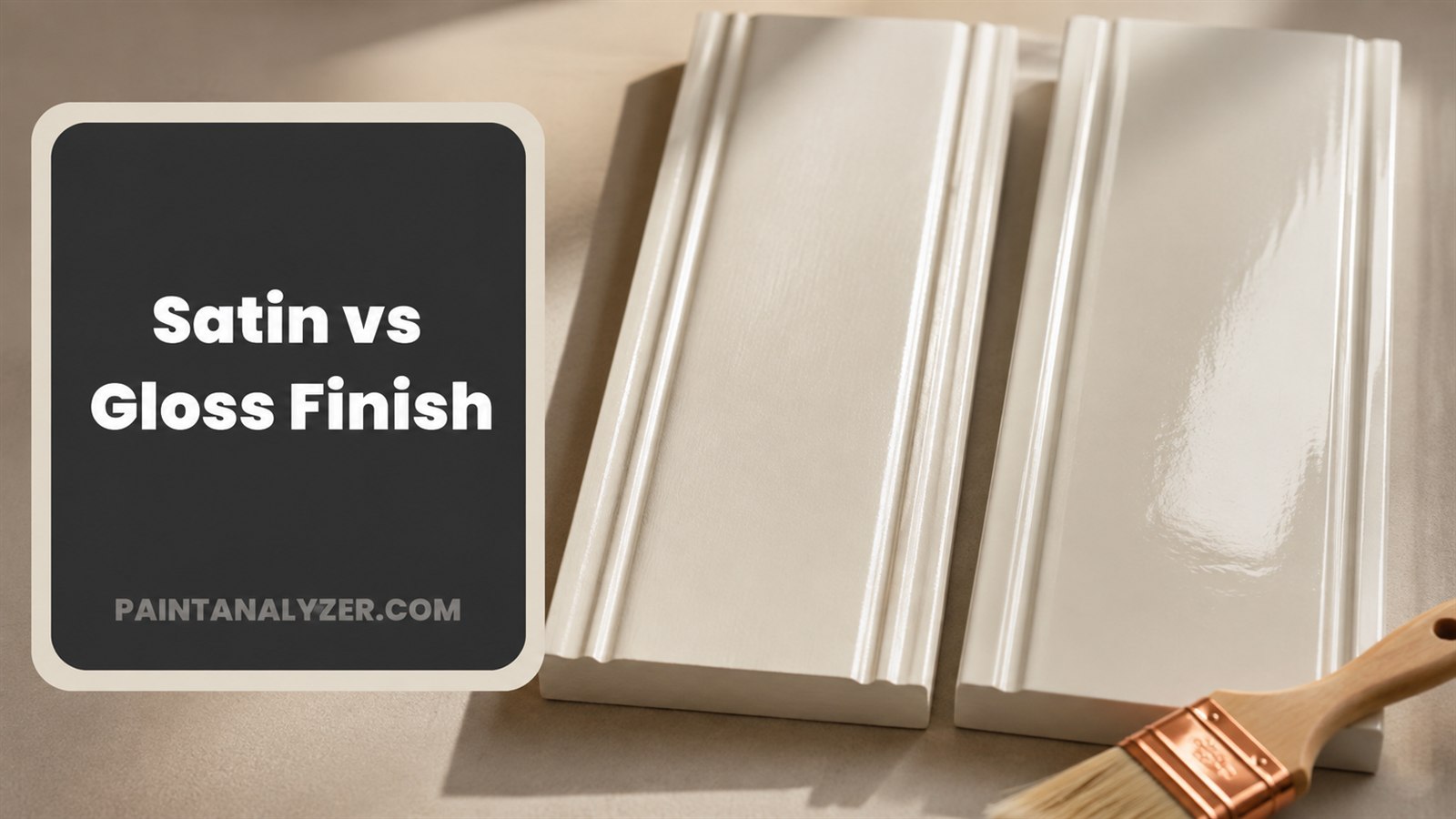
Satin and gloss sit at opposite ends of the practical sheen range — the tradeoff is imperfection-hiding versus washability and durability, not one being objectively better.
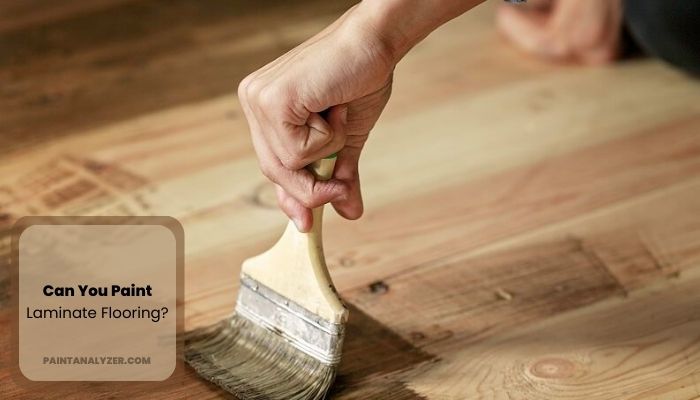
Laminate can be painted, but its slick, non-porous wear layer means adhesion — not color choice — is the entire challenge, and durability underfoot is a real limitation.
Aluminum's naturally slick, oxide-forming surface needs a specific self-etching primer before standard paint will hold up to a boat's constant water exposure.