
How to Use a Propane Torch to Remove Paint, Safely
Heat guns and torches remove paint quickly, but real fire risk and lead paint concerns mean this method needs genuine safety precautions, not just careful handling.
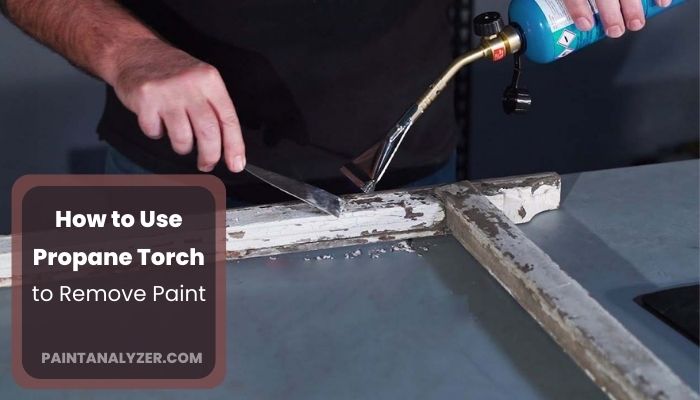
Using a propane torch (or more commonly, a heat gun, which offers more control) to soften and remove paint is a genuinely effective method, but it comes with real fire and health safety considerations that need to be taken seriously, not treated as minor inconveniences.
1. Check for lead paint before starting, on any pre-1978 surface
Heating paint that contains lead releases toxic lead fumes into the air — this is a serious health hazard, and testing for lead paint (a real concern on any construction from before 1978, when lead paint was banned for residential use) is an essential first step, not an optional precaution, before applying heat to old paint.
2. Consider a heat gun instead of an open flame torch for better control
A heat gun provides more controlled, adjustable heat than an open propane torch flame, reducing the risk of scorching the underlying material or igniting nearby combustible material — for most paint removal applications, a heat gun is the safer and more commonly recommended tool over an actual open-flame torch.
3. Work in a well-ventilated area
Heating paint releases fumes regardless of lead content, and working in a well-ventilated space (or outdoors when possible) reduces exposure to these fumes — following the same general chemical fume caution covered for other paint removal methods throughout this site.
4. Keep the heat source moving continuously
Holding a torch or heat gun in one spot too long can scorch wood or, on very old dry wood, pose a genuine fire ignition risk — keeping the heat source moving continuously across the surface, applying just enough heat to soften the paint without lingering, is an essential technique for both quality results and safety.
5. Have fire safety equipment on hand
A fire extinguisher within immediate reach, and awareness of what's near the work area (removing genuinely flammable materials from the vicinity), are basic, non-negotiable precautions any time an open flame or high-heat tool is used near wood or old, dry building materials.
6. Scrape softened paint promptly with an appropriate scraper
Once the heat softens the paint, scraping it away promptly with a metal or plastic scraper (matched to the surface, to avoid gouging softer materials) removes it while it's pliable — letting heated paint cool and re-harden before scraping makes the process considerably less efficient.
7. When to choose a chemical stripper instead
For a surface where fire risk is a significant concern, where lead paint has been confirmed and heat-based removal is deemed too risky, or for detailed or delicate surfaces where heat control is difficult, a chemical paint stripper (following the approach covered elsewhere on this site) is a safer and sometimes more practical alternative to heat-based removal.
Guides are researched against primary documentation and observable evidence. Archived material is rewritten, checked, and substantially improved before publication.