How to Repair Sun-Damaged Car Paint
UV damage on a car's clear coat ranges from mild oxidation (fixable by polishing) to full clear-coat failure (which polishing can't fix and only a repaint solves) — telling the two apart first saves wasted effort.
Oil paint working properties, layering, and care.
UV damage on a car's clear coat ranges from mild oxidation (fixable by polishing) to full clear-coat failure (which polishing can't fix and only a repaint solves) — telling the two apart first saves wasted effort.
Vegetable oil, baby oil, and dedicated brush-cleaning soaps all work as gentler, lower-odor alternatives to mineral spirits — none clean quite as fast, but all avoid the fumes and disposal concerns of a genuine solvent.
Blending gradually fades new paint into the surrounding original finish, avoiding a visible hard edge where a repair meets untouched factory paint.
Smoke residue sits on top of a painting's surface as a greasy film — but cleaning any painting with real age or value carries genuine risk, and professional conservation is the safer default over DIY cleaning attempts.
Automotive plastic trim and parts need a flexible, plastic-specific primer that can move with the material — standard rigid automotive paint alone tends to crack on flexible plastic parts over time.
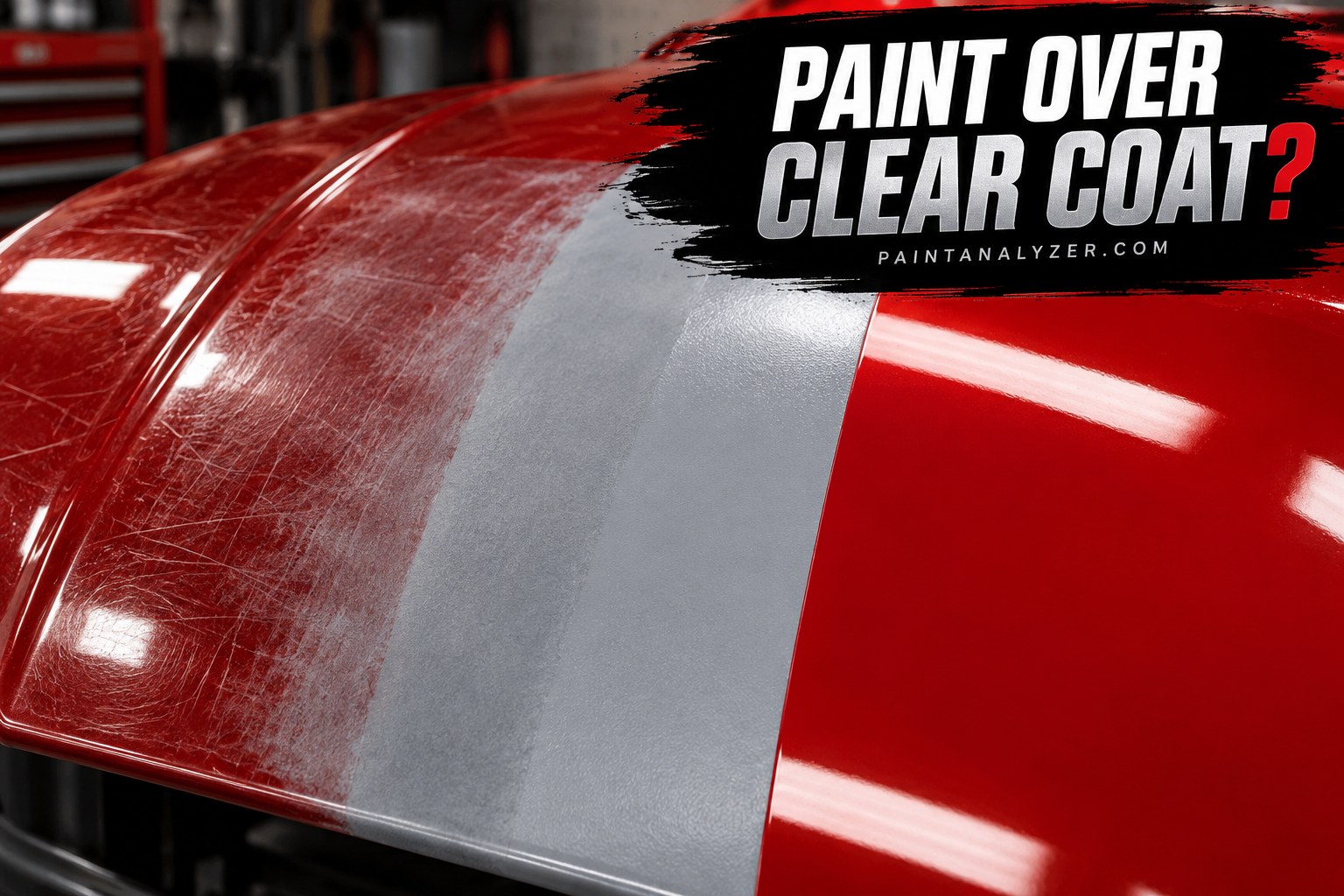
Yes, and this is standard automotive repainting practice — clear coat needs the same sanding and priming treatment as any other hard, glossy sealed finish before new paint will bond properly.
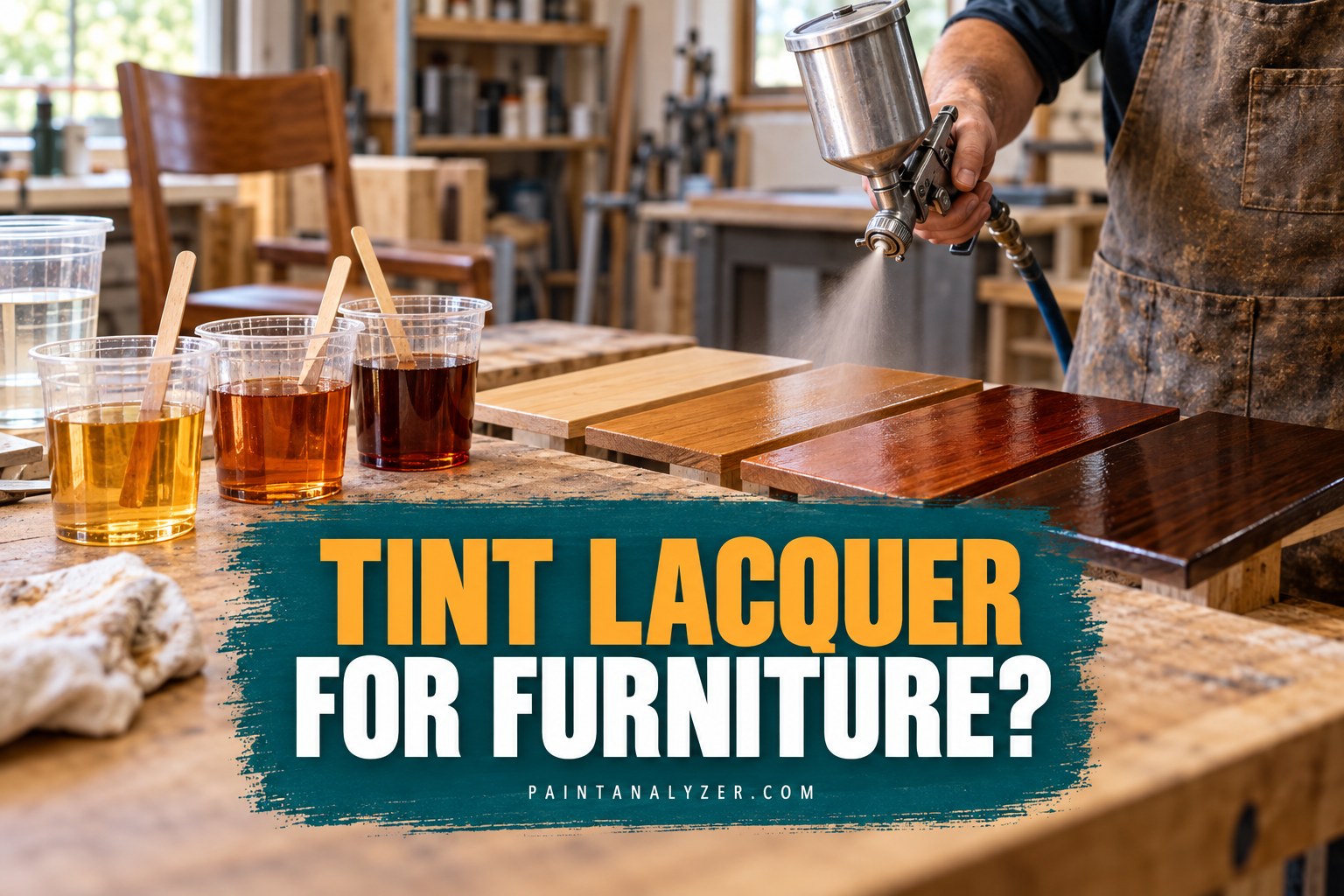
Yes, using lacquer-compatible toners or dyes specifically formulated for the purpose — regular paint pigment isn't the right additive, since it can affect lacquer's clarity and curing properties.
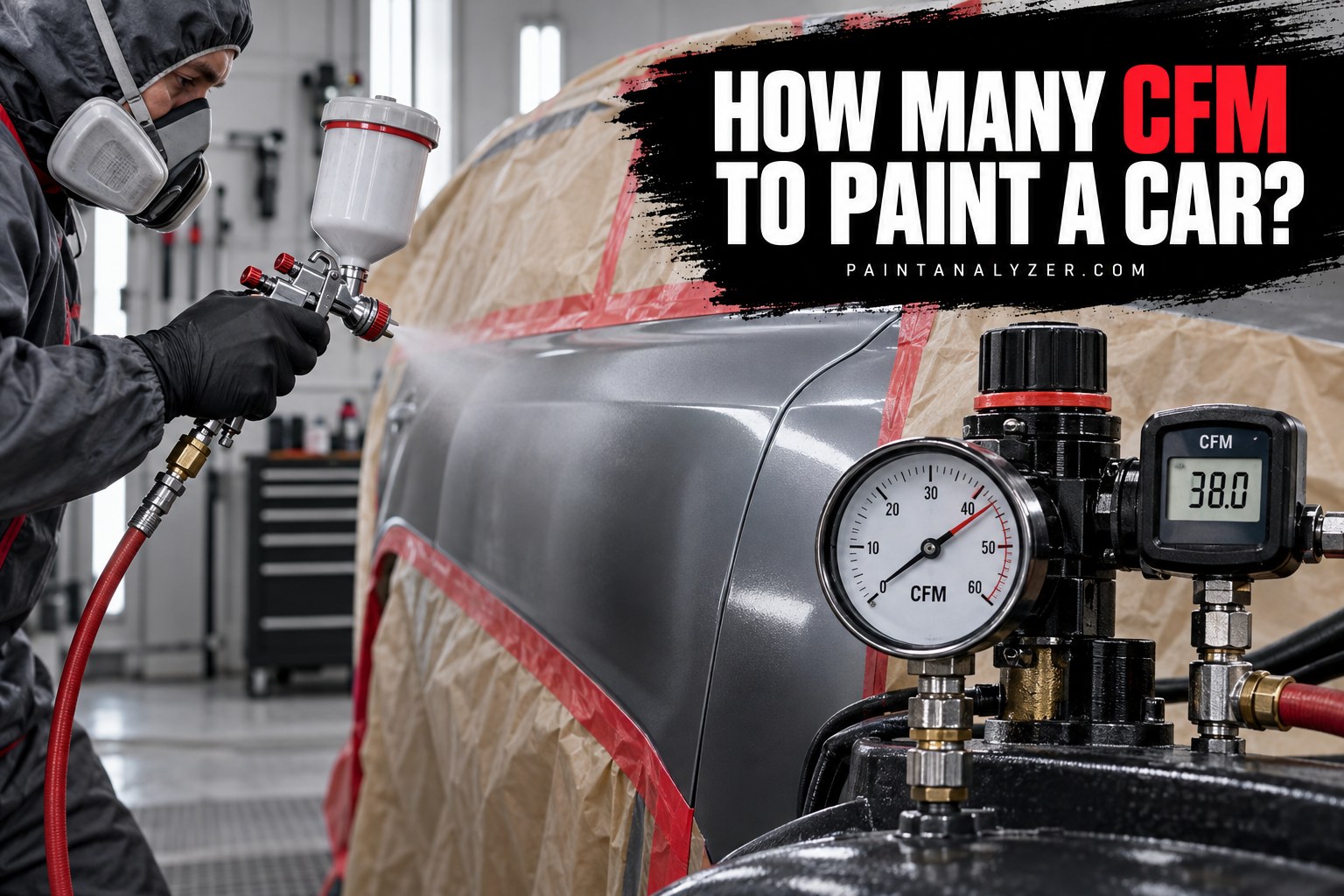
Automotive spray guns typically need 12-20+ CFM depending on the gun and technique, making compressor sizing even more important for a car-scale project than for smaller spray work.
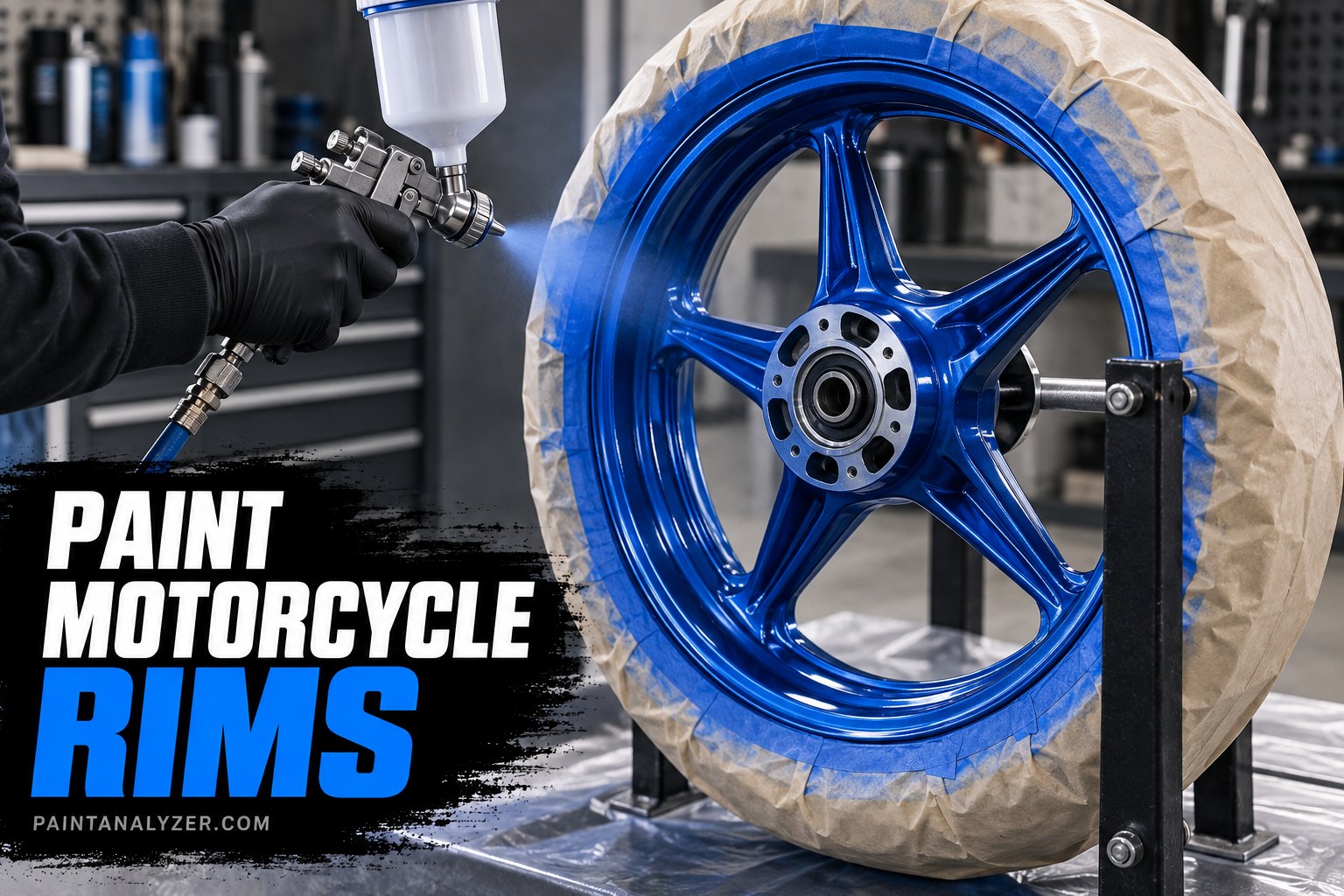
Motorcycle rims need careful masking of the tire and valve stem, thorough deglossing, and a durable, heat-tolerant paint given their exposure to brake heat and road debris.
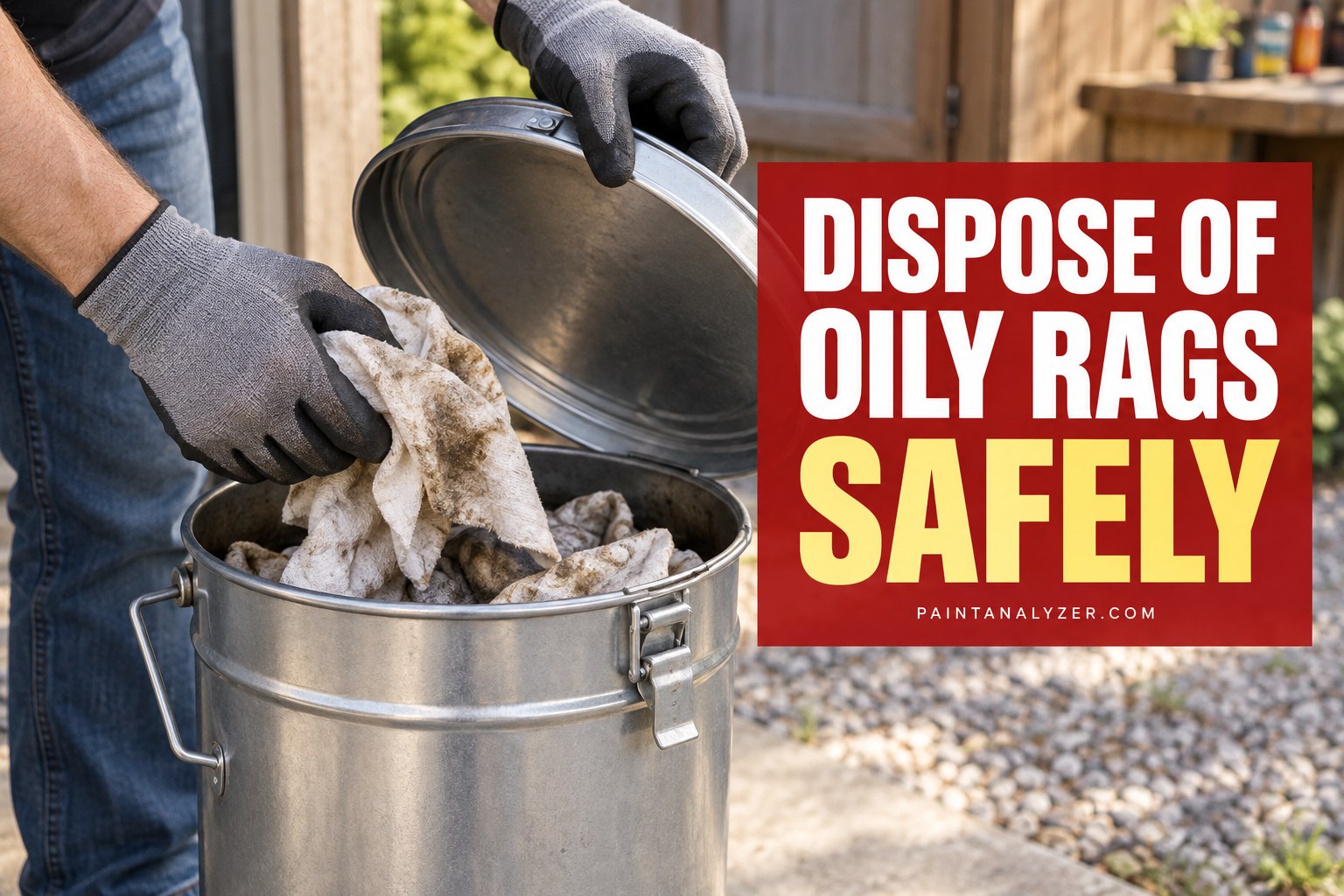
This is a genuine fire-safety issue, not an overcautious footnote — oil-soaked rags left balled up can spontaneously combust from their own oxidation heat, without any external spark or flame.
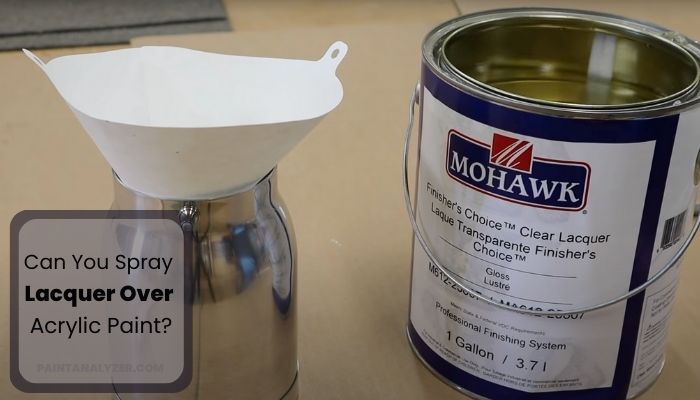
This carries real risk — lacquer's aggressive solvents can wrinkle or lift acrylic paint on contact, the same fundamental concern covered for lacquer over paint generally, just via spray application specifically.
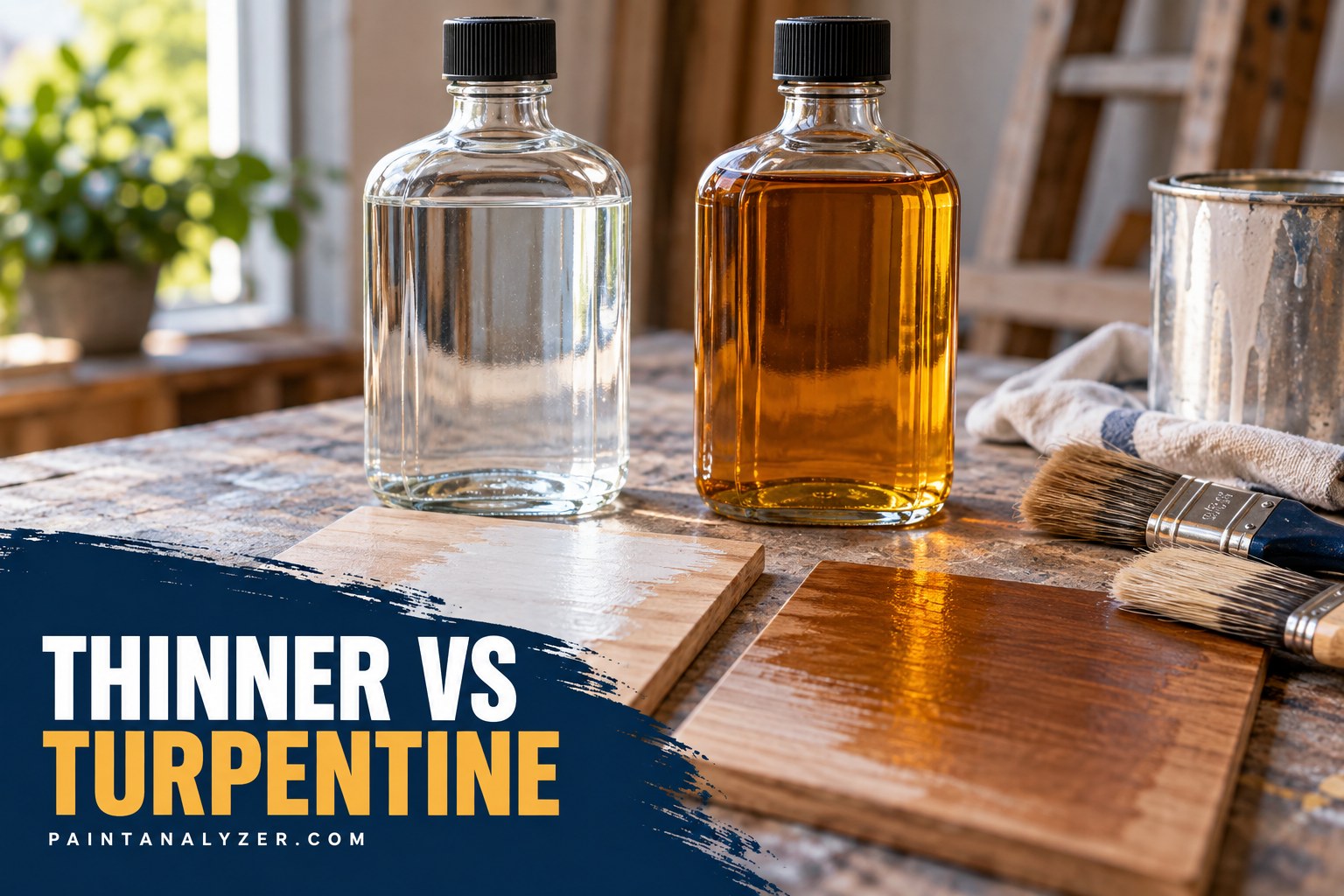
Both thin oil-based paint and clean brushes, but turpentine is a natural pine-derived solvent with a stronger odor and higher cost, while mineral-spirits-based paint thinner is the synthetic, generally milder, more affordable default.