
How to Paint Veneer Furniture
Veneer's thin wood layer needs a gentler touch than solid wood — light sanding and a bonding primer work well, but aggressive sanding risks cutting through to the substrate underneath.
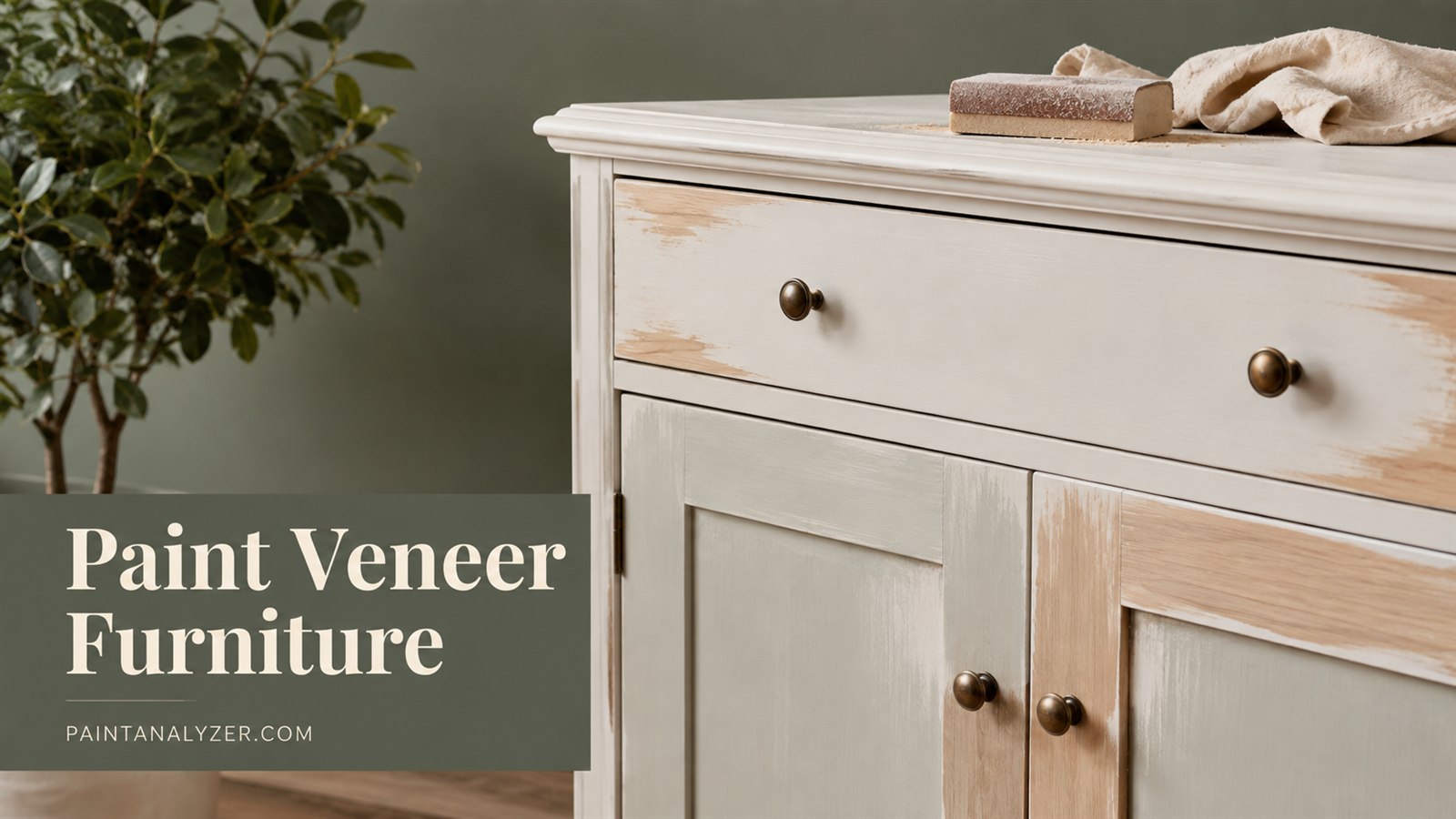
Veneer furniture — a thin layer of real wood laminated over a substrate like particleboard or MDF — can be painted successfully, but its thin surface layer calls for gentler sanding technique than solid wood furniture would need, since sanding through the veneer exposes the substrate underneath, which is both a cosmetic and structural problem.
1. Assess the veneer's condition first
Checking for any lifting, bubbling, or peeling veneer before starting is important — these issues need to be addressed (regluing loose veneer with wood glue and clamping, or an appropriate veneer repair approach) before painting, since paint doesn't fix or hide structural veneer damage.
2. Clean thoroughly
Degreasing the surface to remove wax, polish, or general grime gives the subsequent sanding and priming steps a clean surface to work with, following standard furniture painting prep.
3. Sand lightly — avoid sanding through the thin veneer layer
A light sanding with fine-grit sandpaper, just enough to deglossy the existing finish, is sufficient here — veneer is considerably thinner than solid wood, and aggressive sanding that would be fine on solid wood furniture risks sanding straight through to the substrate underneath on veneer.
4. Use a bonding primer
A bonding primer suited to a sealed or finished wood surface, following the same adhesion principle covered for painting any glossy furniture finish, gives the topcoat a reliable foundation without needing more aggressive sanding than the veneer can safely tolerate.
5. Apply the topcoat in thin, even coats
Multiple thin coats of a furniture-appropriate paint, allowing proper drying between coats, give a smoother, more even result than a single heavy coat, and reduce the risk of paint pooling or running at the veneer's often more delicate edges and corners.
6. Pay special attention to edges and corners
Veneer edges and corners are typically the most vulnerable points — thinner veneer, more exposed substrate if chipped — so extra care in these areas during sanding and painting protects against damage that flat surfaces are less prone to.
7. Seal with a protective topcoat
A clear polyurethane or polycrylic topcoat over the finished paint, following the same protective logic covered for painted furniture generally, adds durability and helps protect the thin veneer layer from the wear a piece of furniture experiences during regular use.
Guides are researched against primary documentation and observable evidence. Archived material is rewritten, checked, and substantially improved before publication.