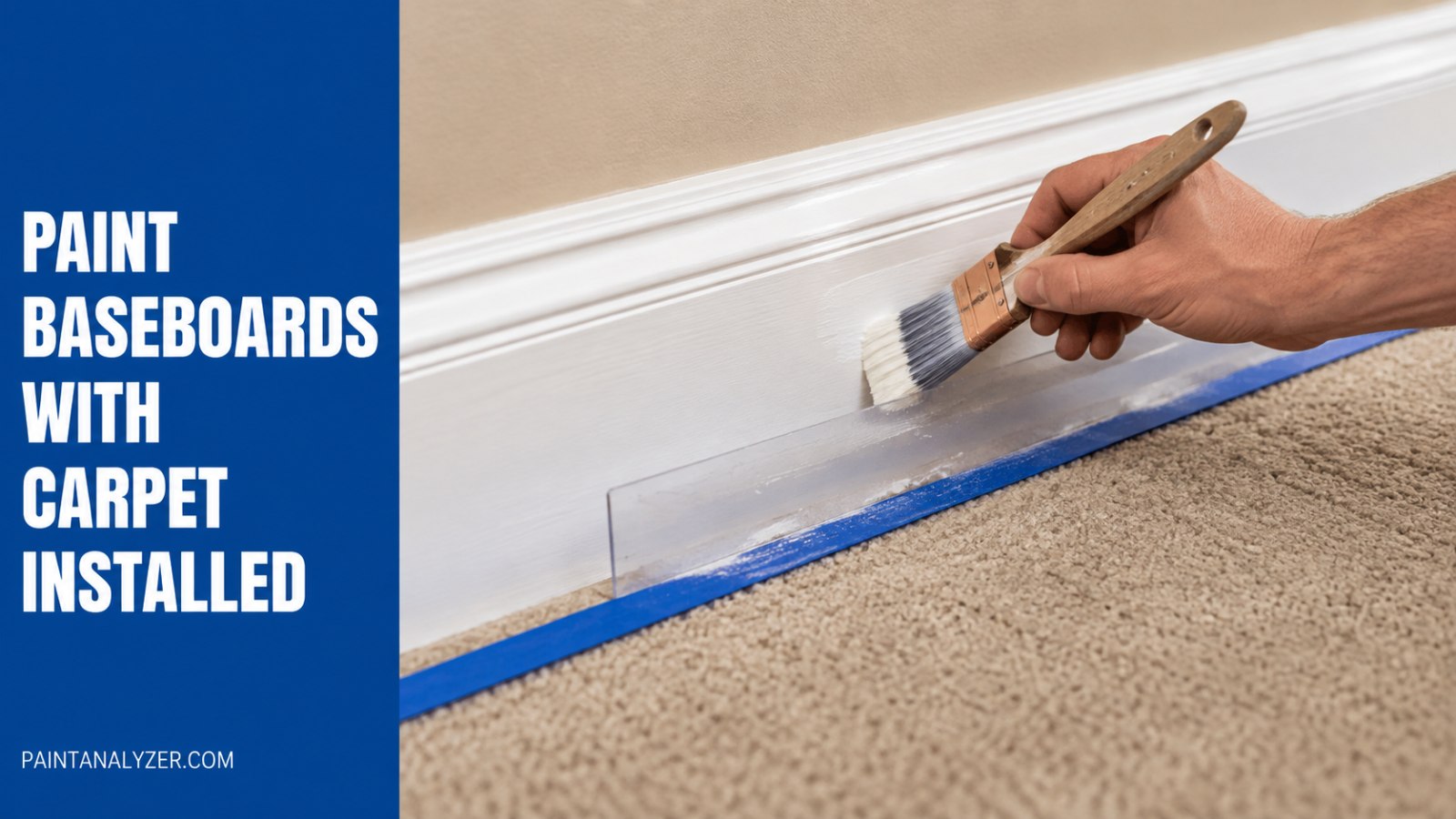
How to Paint Baseboards With Carpet Already Installed
Painting baseboards without removing the carpet is entirely achievable with a carpet shield tool and careful cutting-in technique — no need to pull up flooring for a routine trim refresh.
Painting techniques for wood, walls, ceilings, and more.
Painting baseboards without removing the carpet is entirely achievable with a carpet shield tool and careful cutting-in technique — no need to pull up flooring for a routine trim refresh.
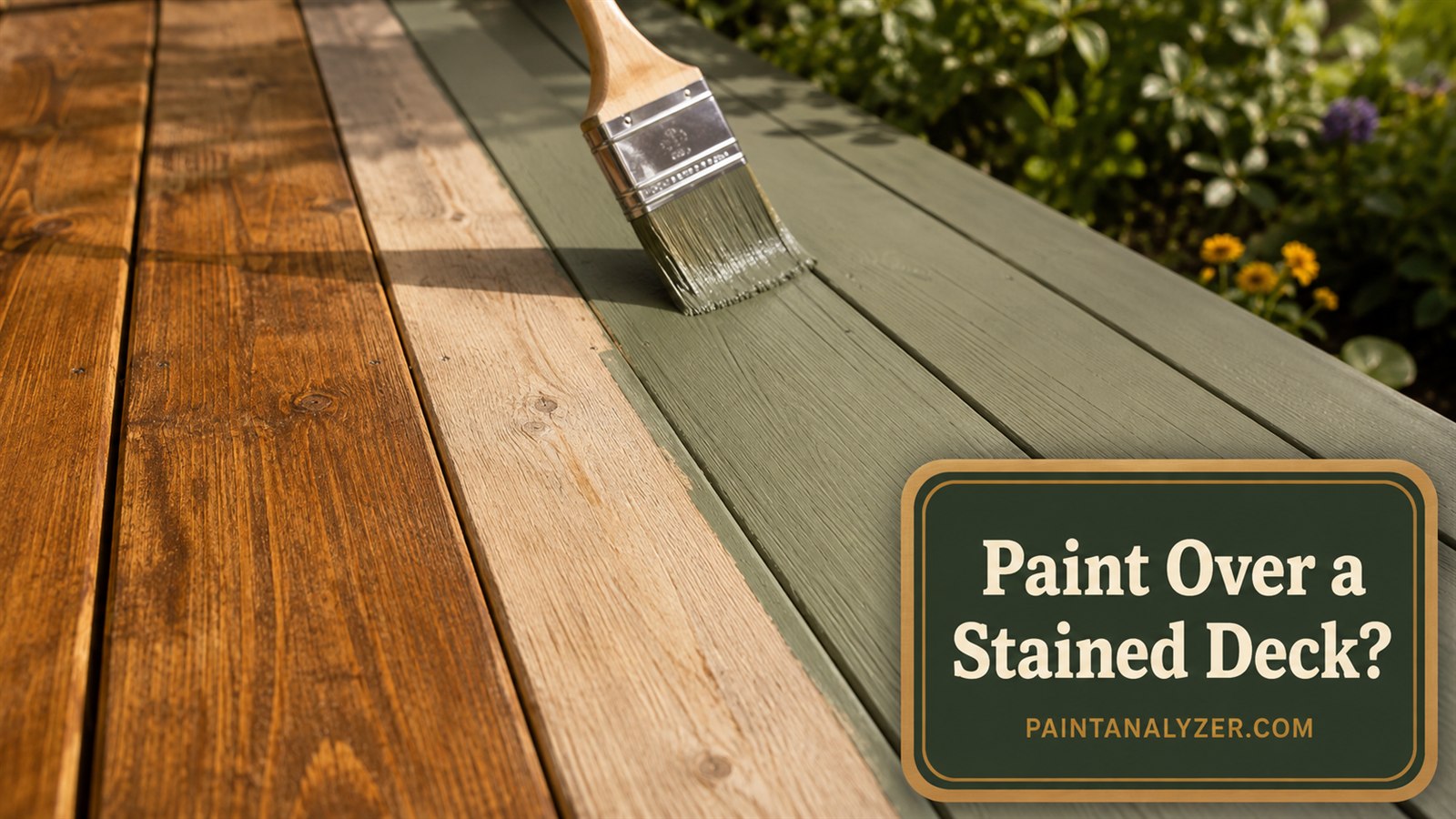
Yes, but stain and paint bond to wood differently, and a stained deck needs real prep — stripping or heavy sanding — before paint will actually stick, rather than simply being applied over the existing stain.
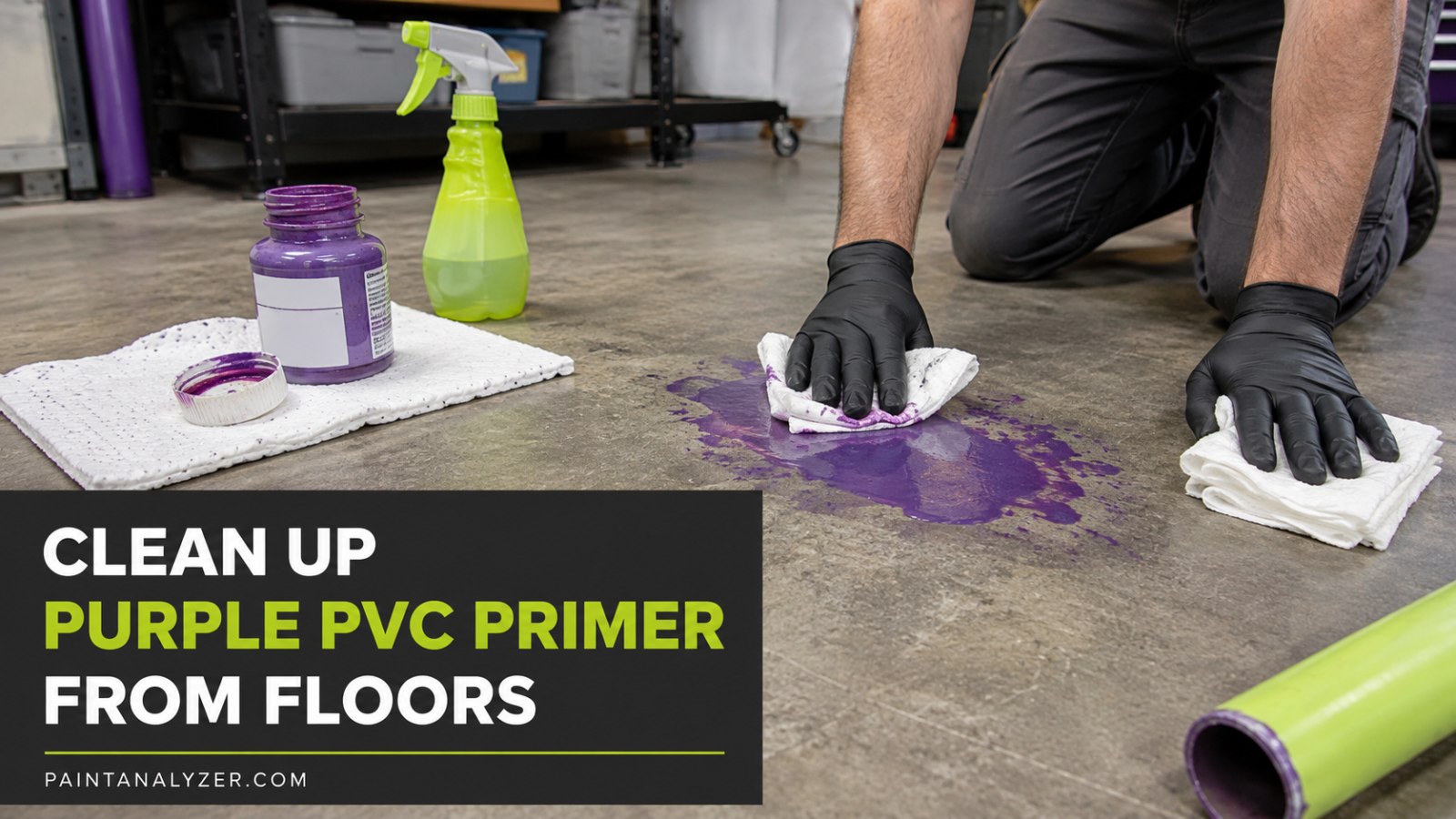
Purple PVC primer stains dry extremely fast and set into porous flooring quickly — acting within minutes, before it fully cures, gives the best chance of a clean removal.
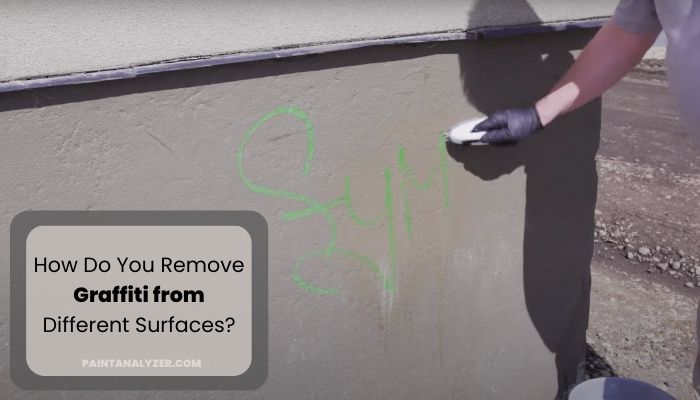
Graffiti removal method varies significantly by surface — a porous brick wall and a smooth metal sign need genuinely different approaches for the best results.
Shower door frames face constant moisture, making rust treatment and a genuinely moisture-resistant paint system more important here than on almost any other painted metal fixture.
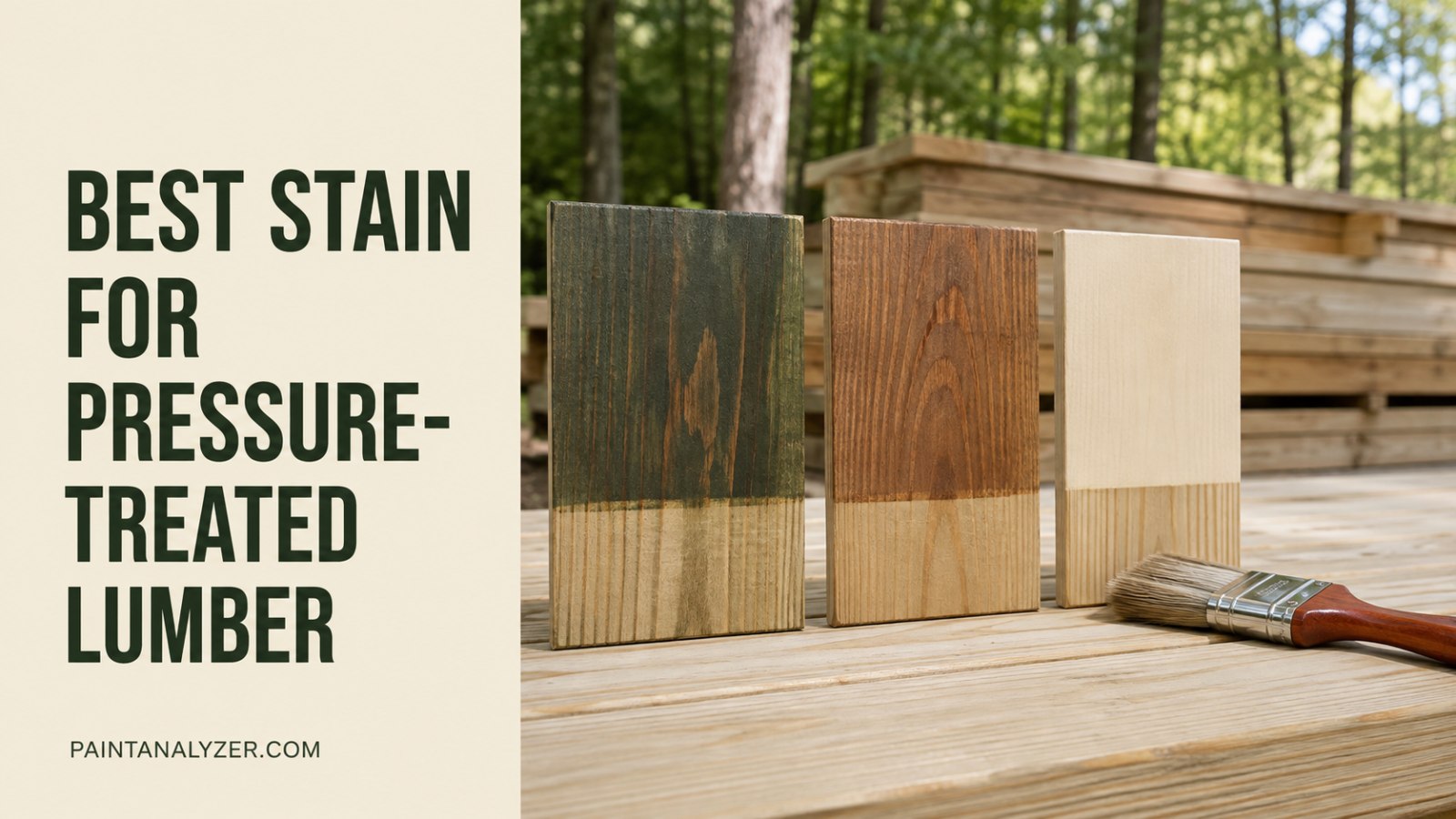
Pressure-treated lumber needs to dry out properly before staining, and the treatment chemicals can affect how evenly certain stain types absorb — checking moisture content first avoids a common, frustrating failure.
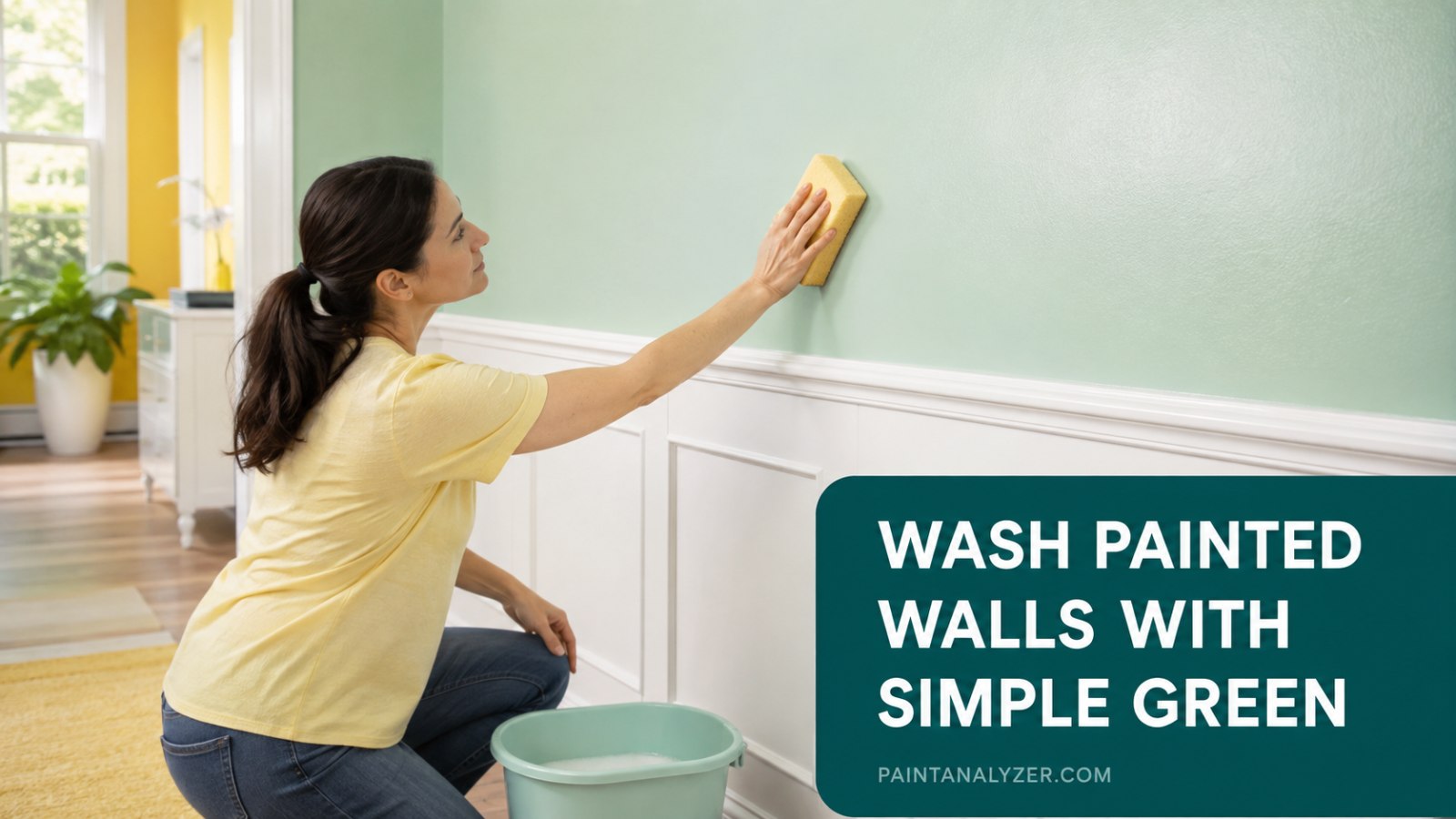
A diluted all-purpose cleaner like Simple Green handles most everyday wall grime effectively, as long as it's diluted appropriately and tested on the specific paint finish first.
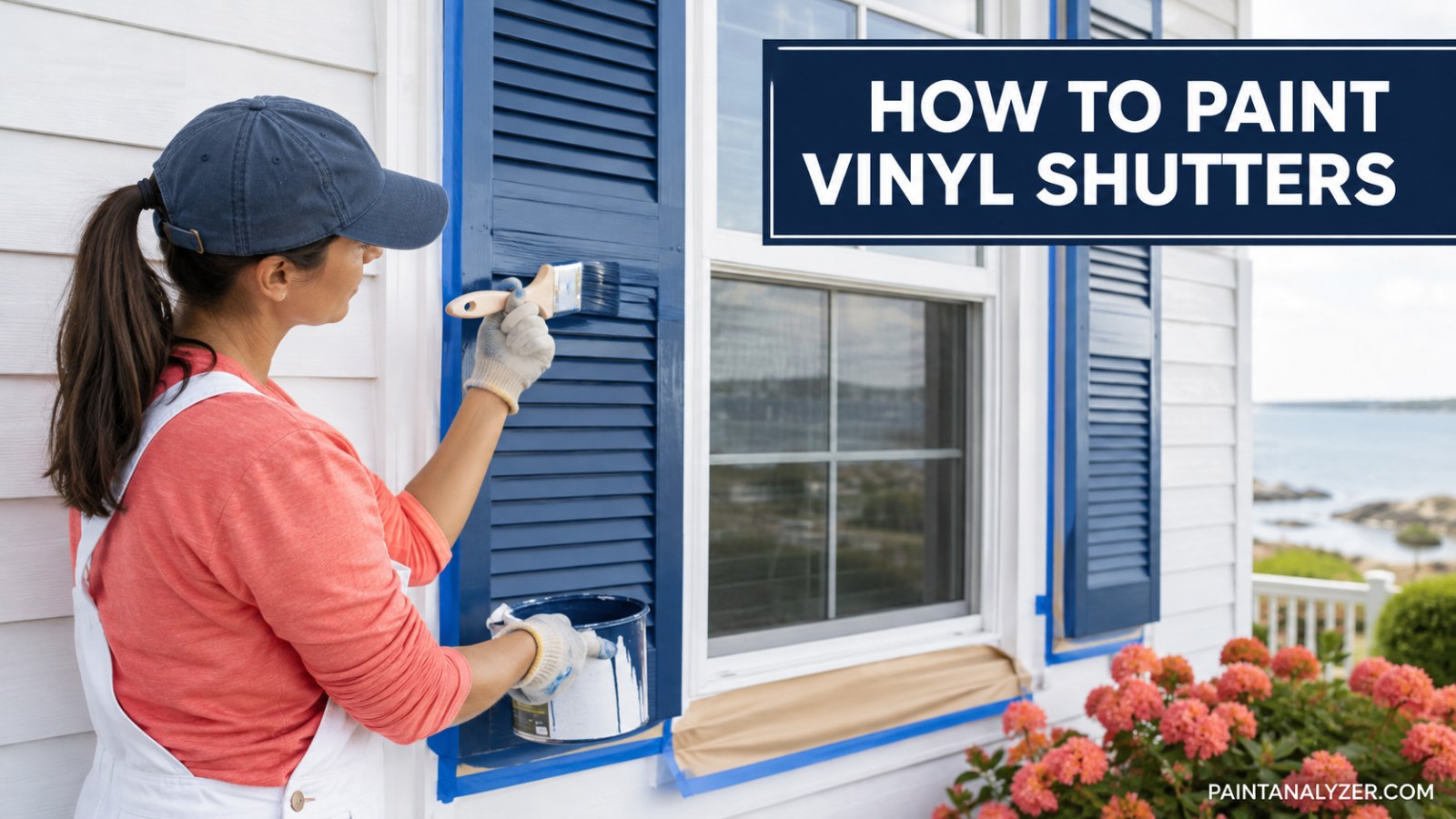
Vinyl shutters need a flexible, vinyl-safe paint and lighter colors to avoid heat-related warping — the same core considerations covered for painting vinyl siding apply directly here.
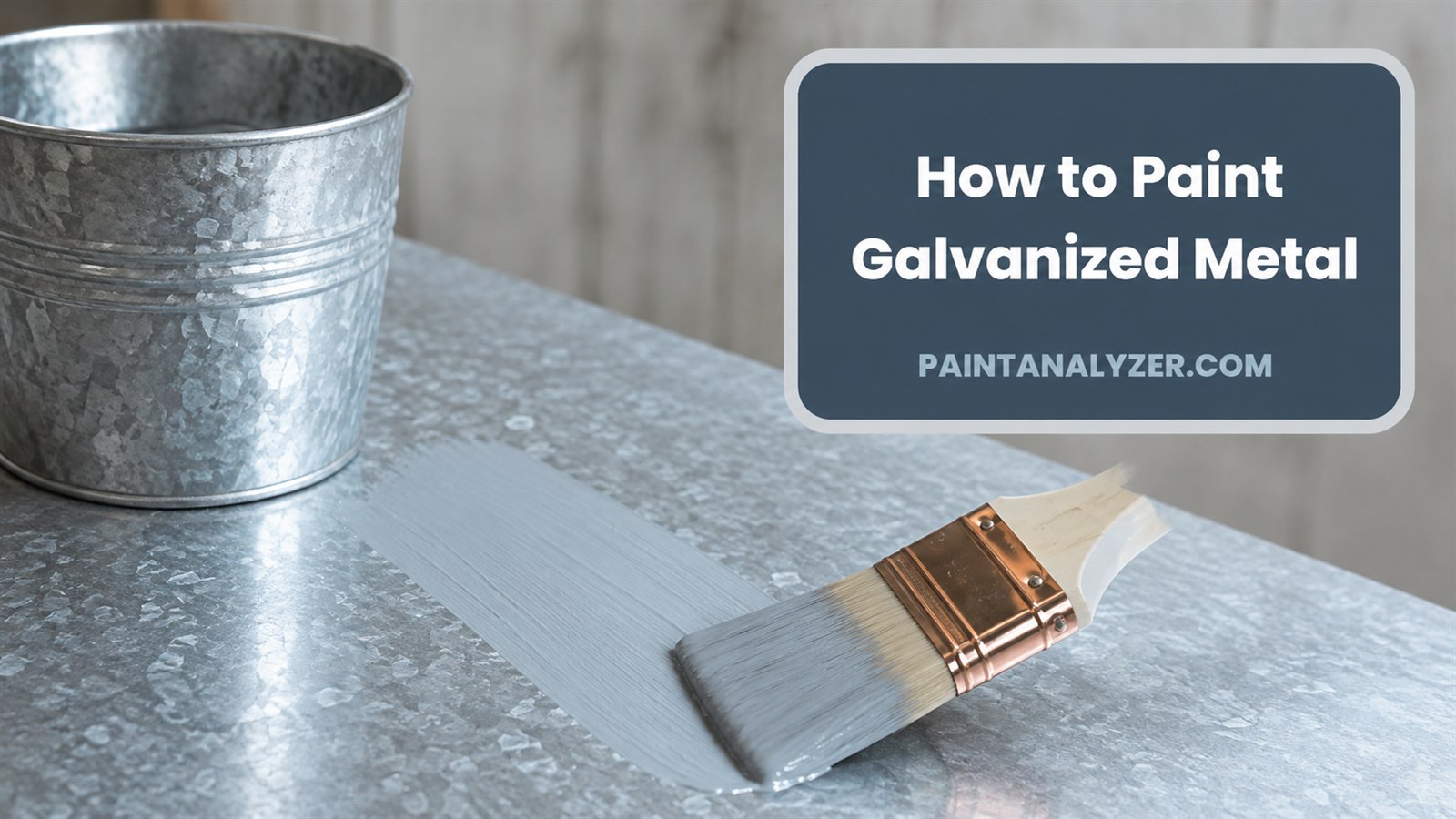
Fresh galvanized steel is coated in a zinc layer with oils and a natural oxide film that most paint won't bond to — the fix is either letting it weather for months first, or using a primer made specifically for galvanized surfaces.
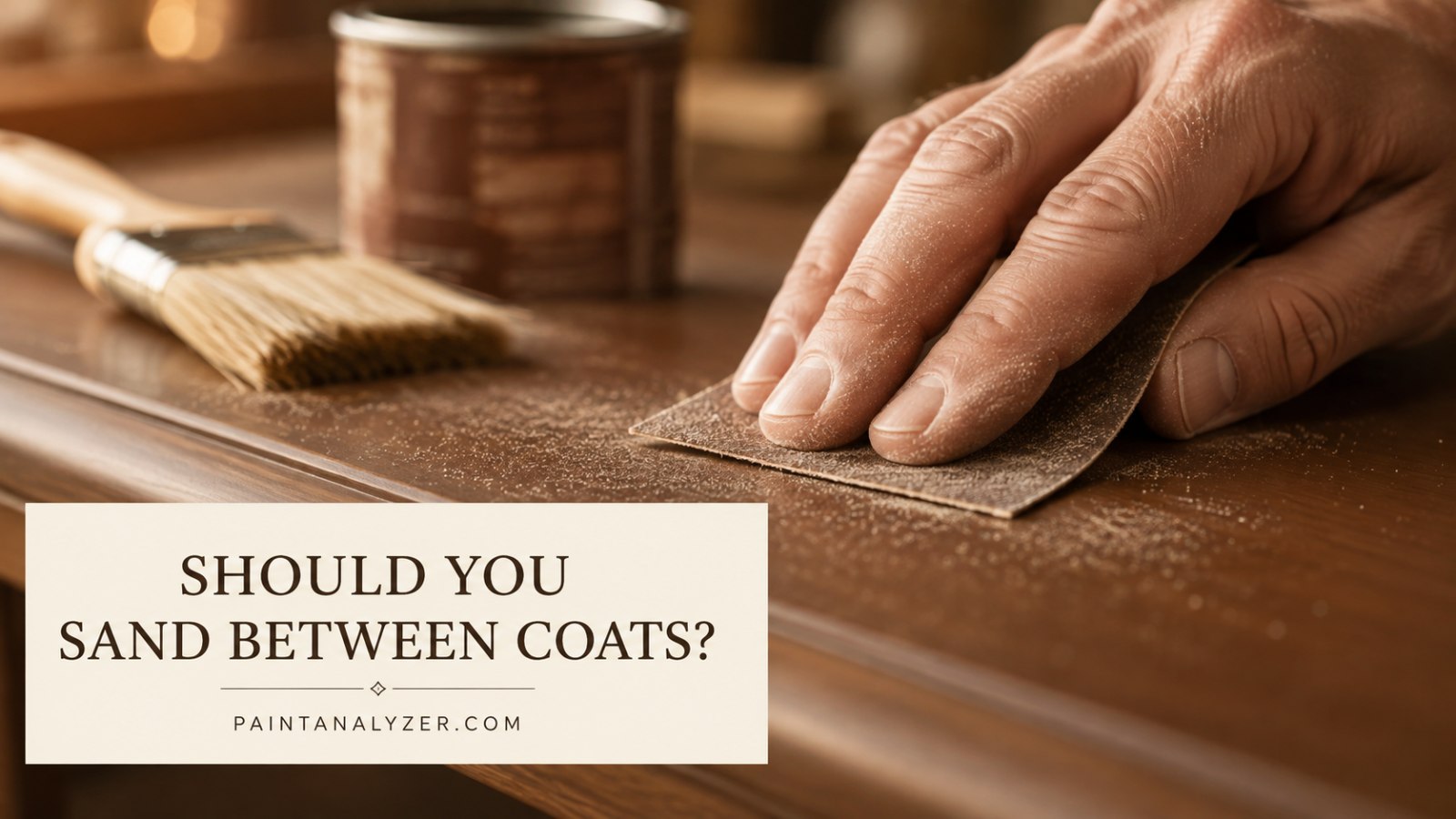
Light sanding between coats removes raised grain and dust nibs, giving a smoother final result — it's a small extra step that makes a genuine, visible difference in finish quality.
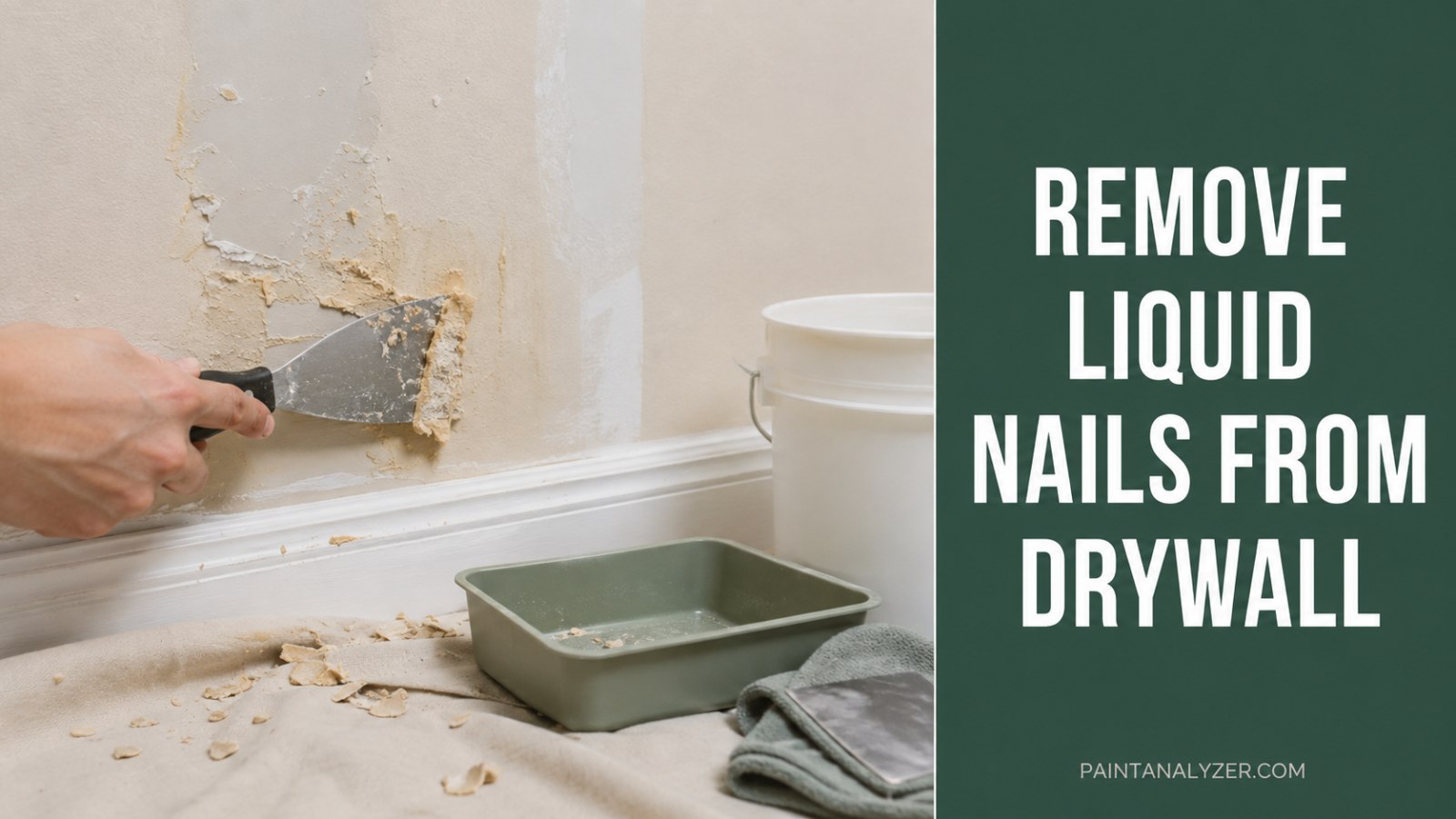
Liquid Nails construction adhesive bonds aggressively to drywall's paper facing, making careful, gradual removal important to avoid tearing the paper itself.
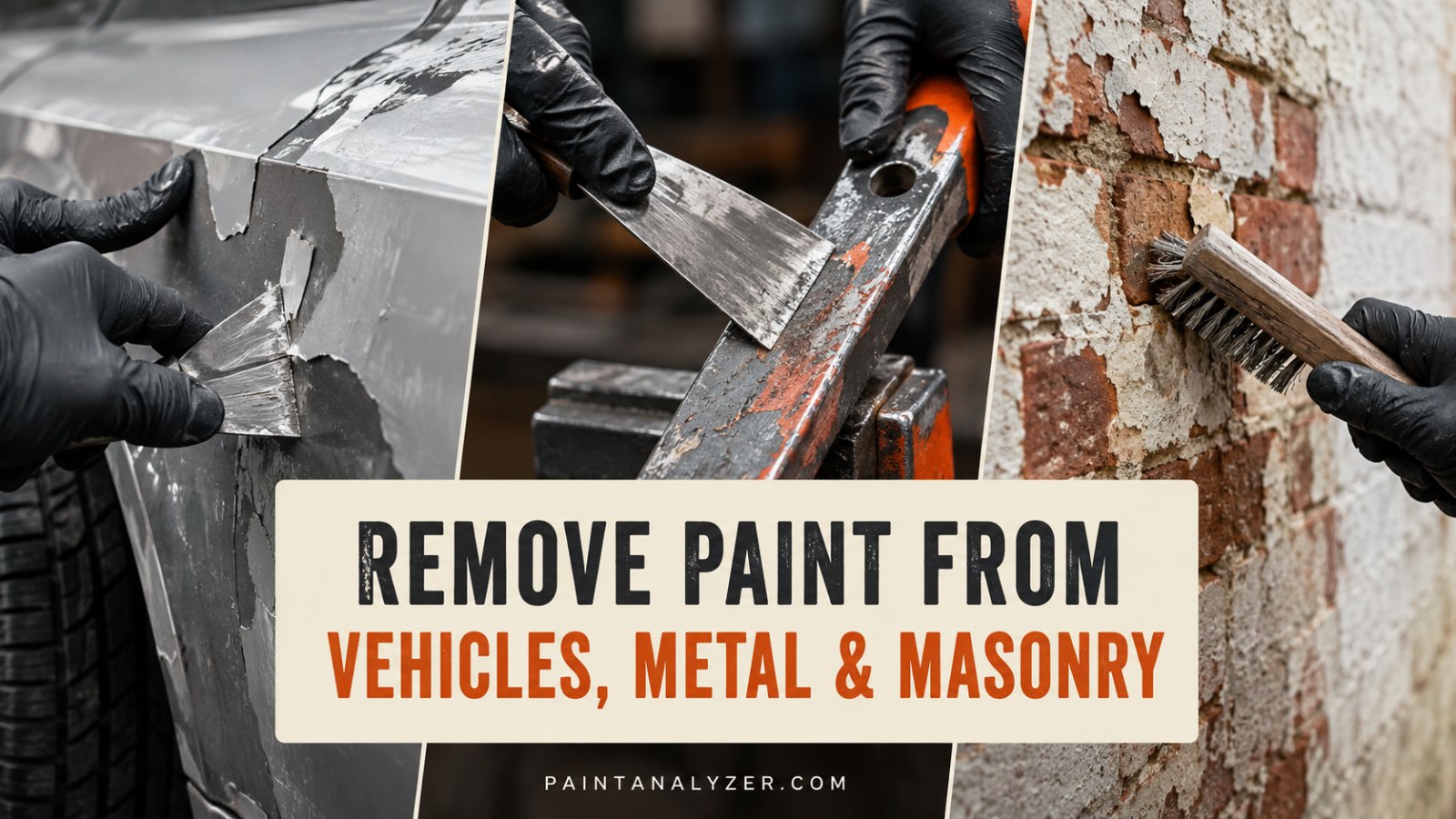
Removing paint from a car bumper, a boat hull, brass hardware, or a brick wall each calls for a different method matched to that specific material's sensitivity to solvents and abrasion.