Tested guides for paint, color, and repaint projects
Paint Analyzer

Techniques & Surfaces

Painting techniques for wood, walls, ceilings, and more.

Techniques & Surfaces

Best Paint for Butcher Block Countertops

A food-safe topcoat is the real constraint here — the paint or stain choice matters less than sealing it with a finish genuinely rated safe for surfaces that contact food.
Techniques & Surfaces

How to Seal MDF Before Painting

MDF's cut edges absorb paint like a sponge and swell if they get wet during the process — sealing those edges properly is the step that actually determines how the finished piece holds up.

Techniques & Surfaces

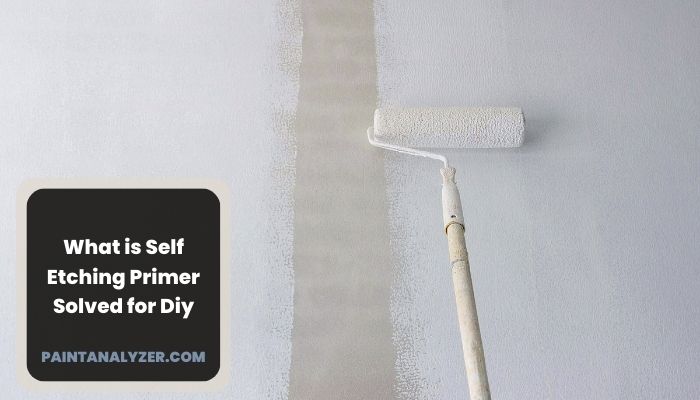
What Is Self-Etching Primer?

A mild acid built into the primer itself lightly etches bare, slick metal as it's applied — the step that gives paint something to grip on surfaces standard primer struggles to bond to.

Techniques & Surfaces

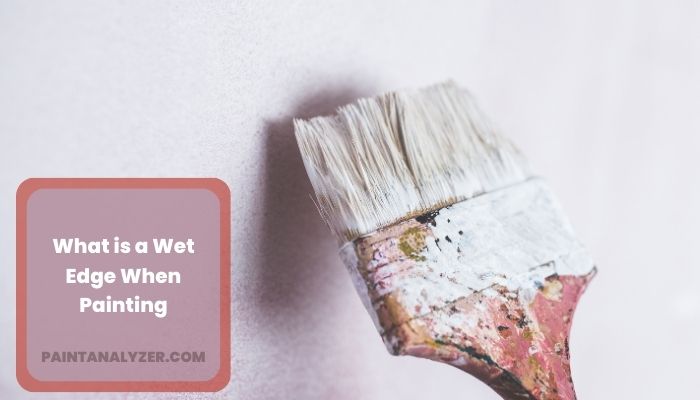
What Is a "Wet Edge" When Painting?

The single concept behind avoiding lap marks — always overlapping into paint that's still wet, never into paint that's already started to dry.

Techniques & Surfaces

Why Is Paint Peeling Off the Wall in Sheets?

Large sheets peeling away — rather than small chips or flakes — points specifically at moisture pushing between paint layers or vapor migrating through a wall from behind, not a simple adhesion problem at the surface.

Techniques & Surfaces

Why Painted Walls Look Chalky and Powdery

Chalking is UV degradation of the paint's binder breaking down over years, most common on exterior paint — a fingertip wiped across the wall coming away with visible white powder is the classic sign.

Techniques & Surfaces

How to Stop Knots From Bleeding Through Paint

Knot bleed is resin and tannins in the wood migrating through a standard primer over weeks or months — a shellac-based primer is the one product that reliably blocks it, and ordinary primer usually doesn't.

Techniques & Surfaces

How to Paint a Ceiling Without Roller Marks

Roller marks on a ceiling almost always come down to one of three things: the wrong nap, pressing too hard, or letting the edge dry before the next pass overlaps it.

Techniques & Surfaces

How to Remove Water Stains From Drywall Before Repainting

A water stain will bleed straight through standard paint no matter how many coats go on — a shellac or oil-based stain-blocking primer is the one product that actually stops it, and fixing the leak comes first.

Techniques & Surfaces

How to Paint Over Semi-Gloss Without Sanding

A bonding primer is the sanding-free shortcut — it's formulated to grip a slick, glossy surface directly, which is the entire reason sanding is normally recommended before repainting semi-gloss in the first place.

Techniques & Surfaces

Can You Put Polyurethane Over Paint?

A polyurethane topcoat over paint is a real, common technique for extra durability — but oil-based poly can amber and shift lighter colors over time, which matters for the choice.