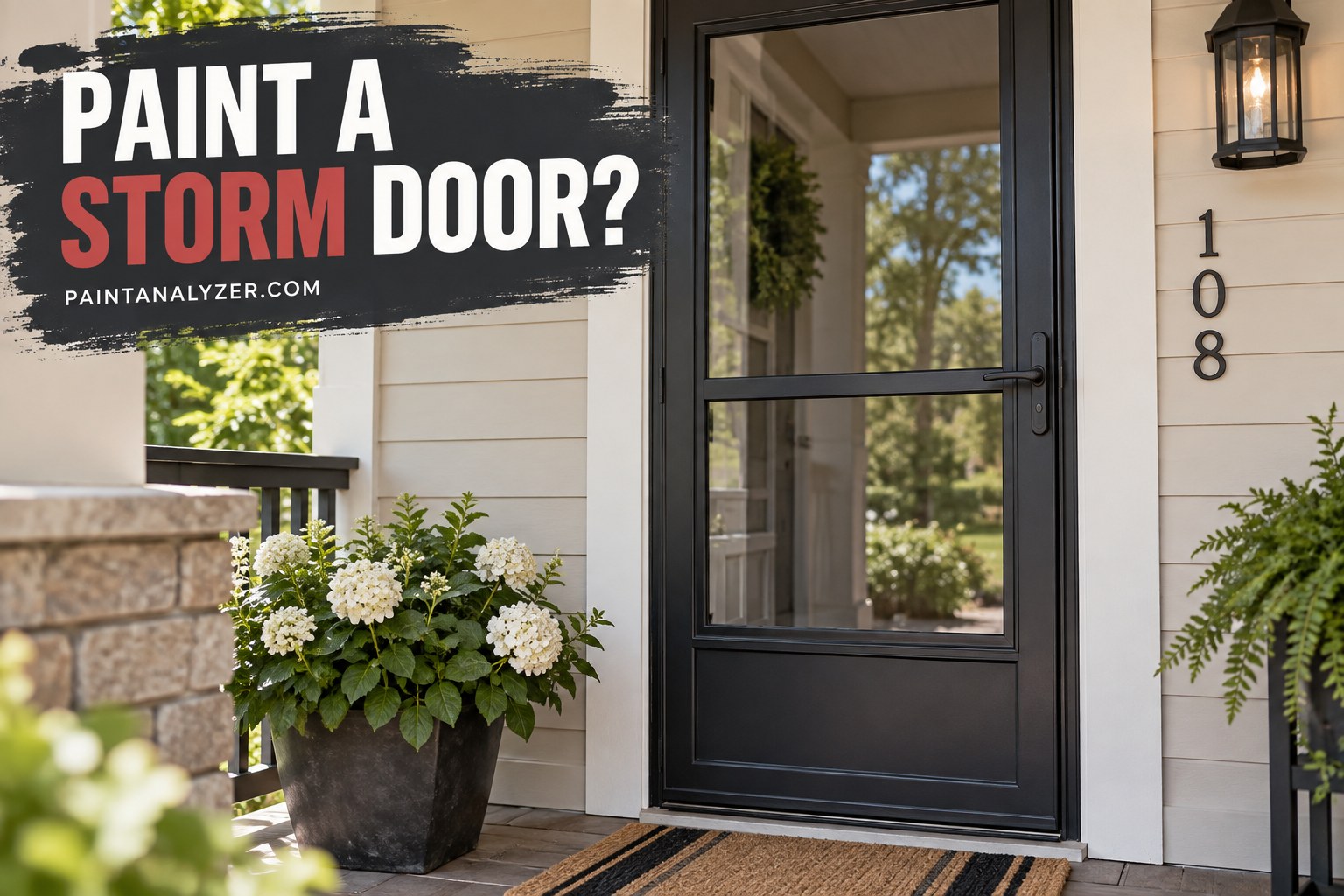
Can Storm Doors Be Painted?
Yes, and the process follows the same core logic as painting other bare metal or aluminum — clean, sand or degloss, prime for the specific material, and choose an exterior-rated topcoat.
Painting techniques for wood, walls, ceilings, and more.
Yes, and the process follows the same core logic as painting other bare metal or aluminum — clean, sand or degloss, prime for the specific material, and choose an exterior-rated topcoat.
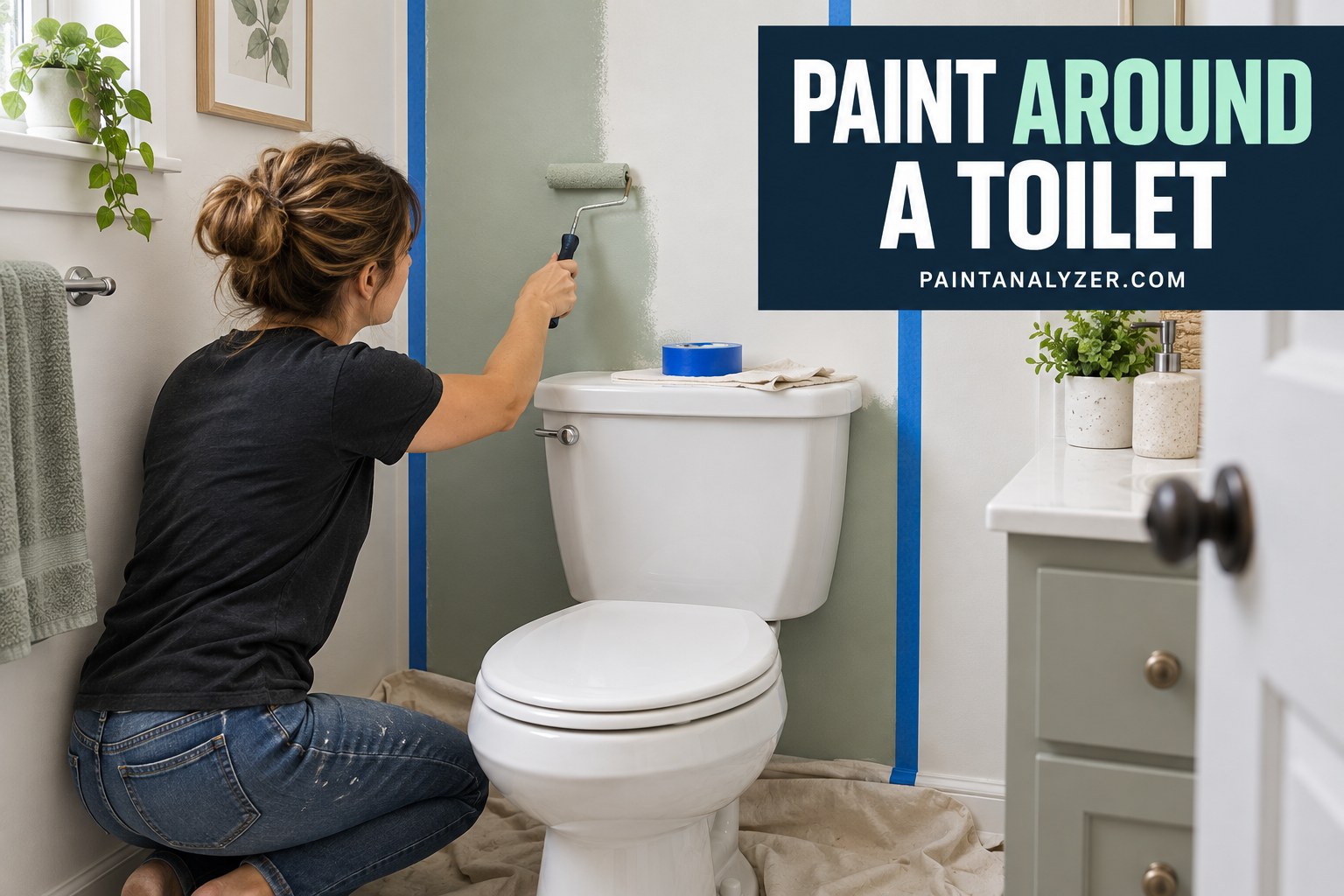
Removing the toilet entirely gives the most even result, but a careful masking and detail-brush approach works well for anyone who'd rather not deal with disconnecting plumbing.
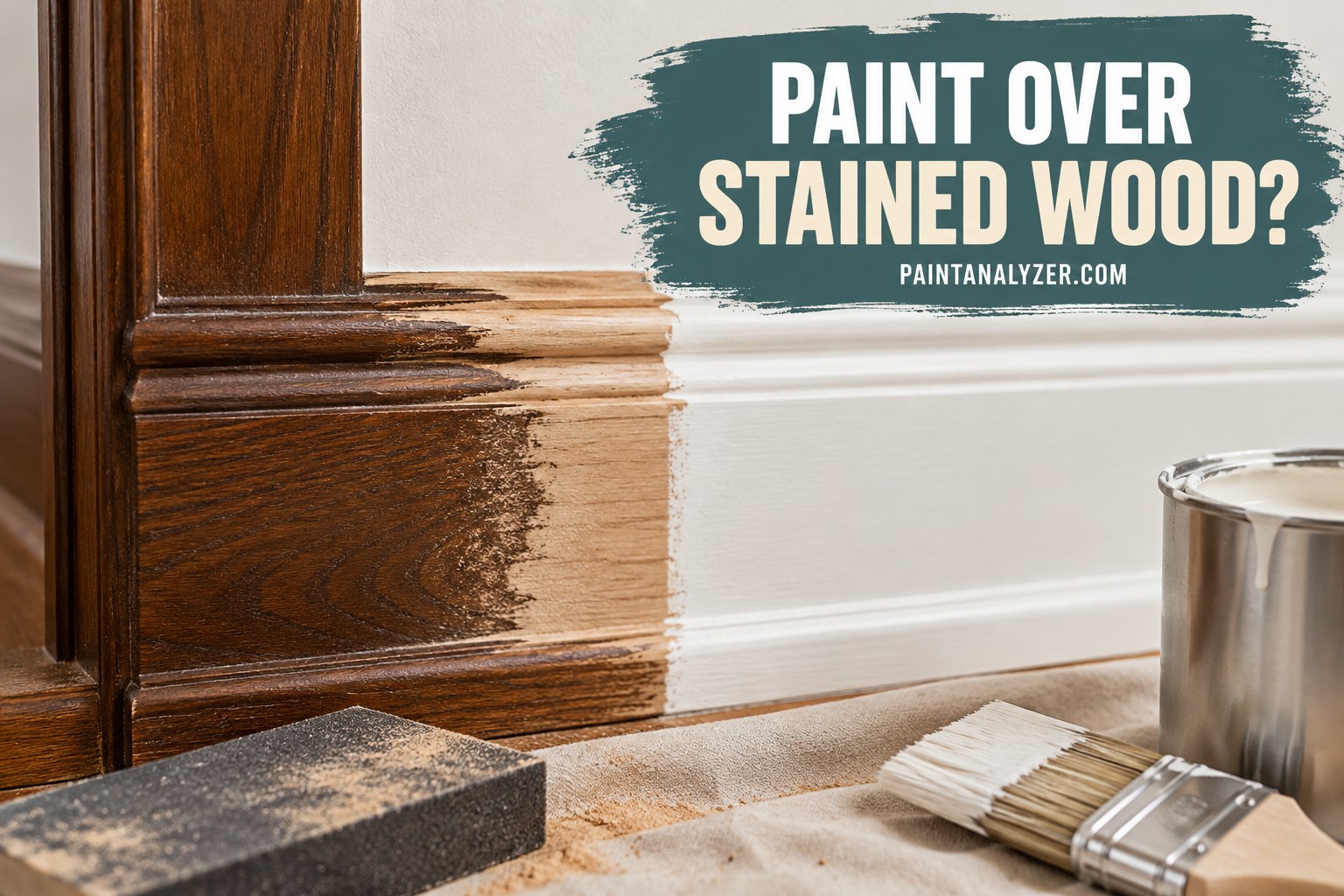
Yes, but stained wood almost always has a sealing topcoat (varnish, polyurethane, or lacquer) that needs the same deglossing treatment as any glossy finish before paint will bond reliably.
Dust alone needs just a dry or damp wipe — grease, smoke residue, or mildew each need a specific cleaning approach, and using the wrong one can leave a film that undermines paint adhesion.
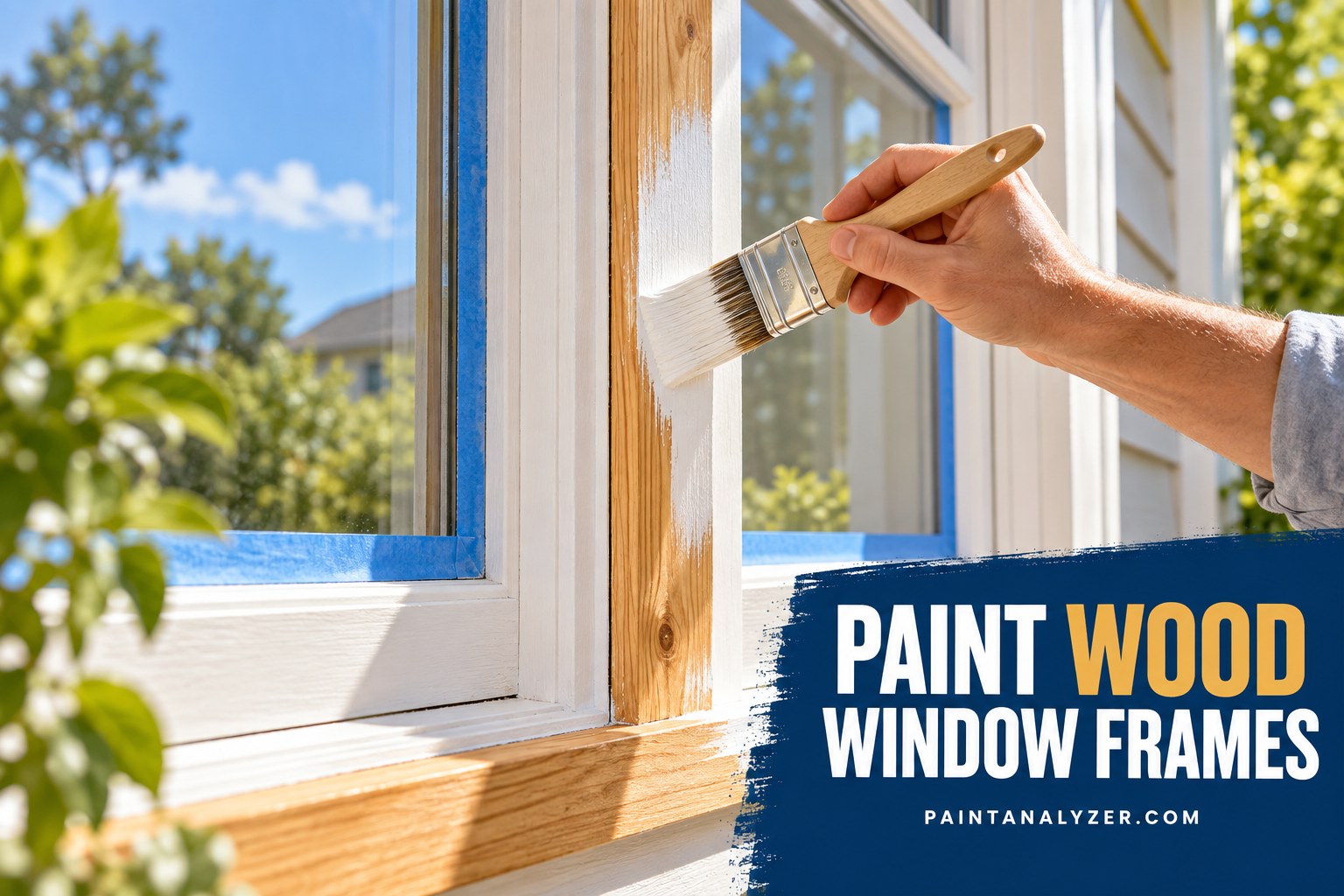
Window frames need careful masking of the glass and hardware, plus attention to any moving parts, so the frame still opens and closes freely once the paint has cured.
Yes — the texture itself is fine to paint over directly, but the tool choice (a thicker-nap roller) and the amount of paint needed both change compared to a smooth wall.
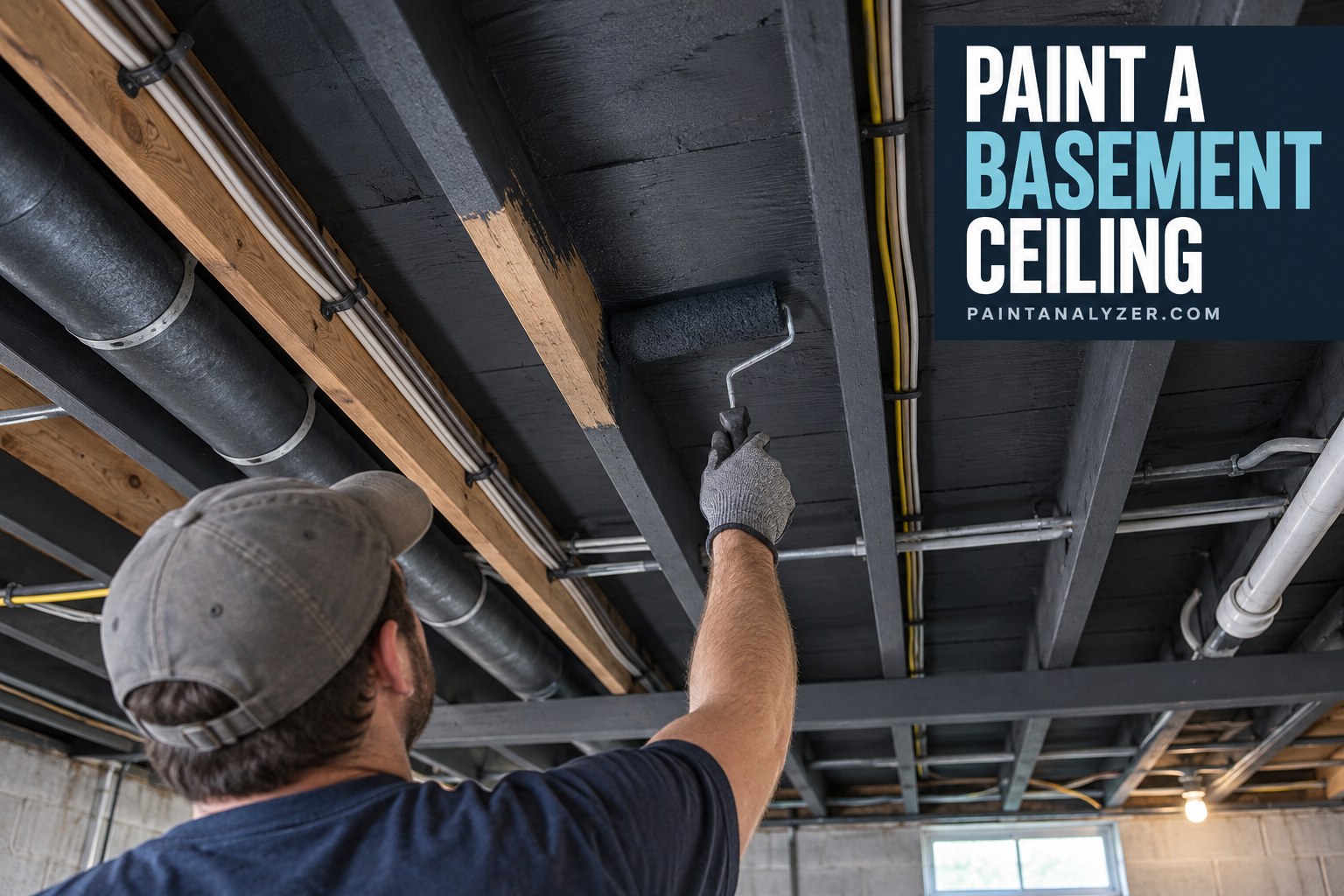
Painting an exposed, unfinished basement ceiling in one uniform dark color is a popular way to visually hide the wiring, ducts, and joists without the cost of a drop ceiling or drywall.
Rubber tolerates more aggressive solvents than painted metal or clear-coated surfaces nearby — but overspray removal still means protecting the rim and using the right product for the paint type.
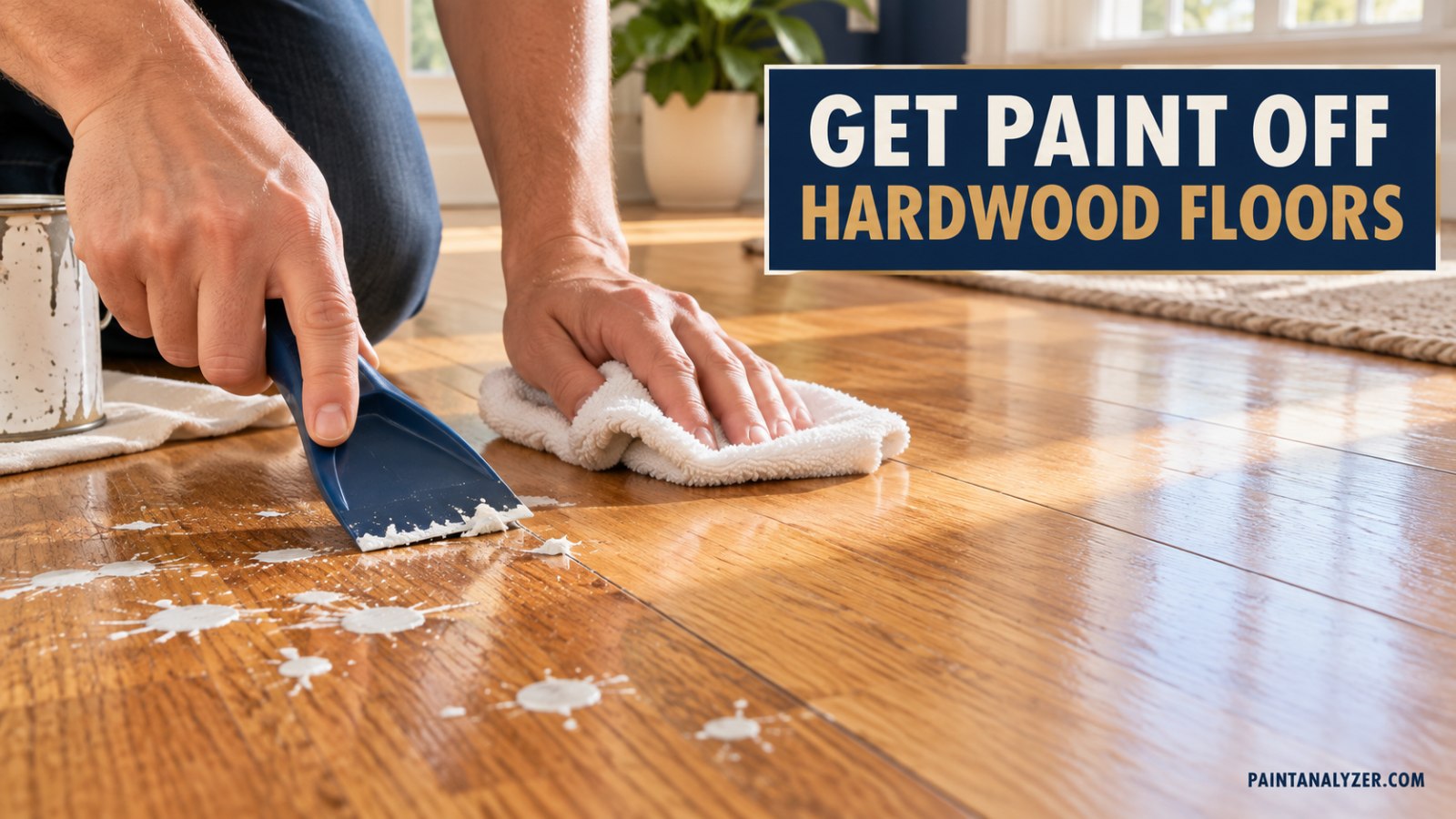
The right removal method depends on whether the paint is still wet, dried but fresh, or old and cured — using the wrong one risks damaging the wood finish.
Kiln-dried lumber is ready almost immediately; pressure-treated and any wood exposed to recent moisture need real time — and the moisture-meter check is more reliable than any fixed number of days.
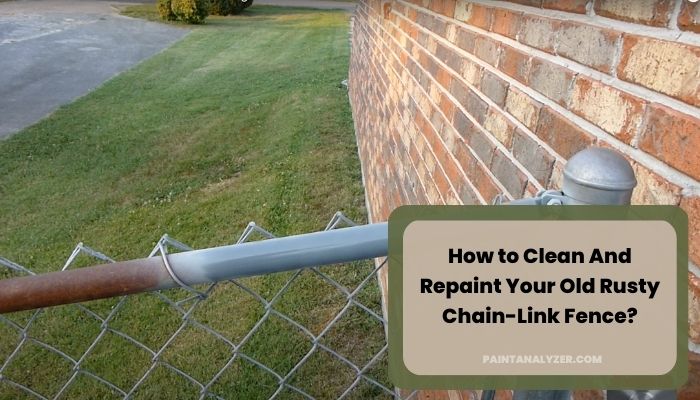
A chain-link fence's many thin wire surfaces make thorough rust treatment and spray application especially practical compared to trying to brush each individual link.
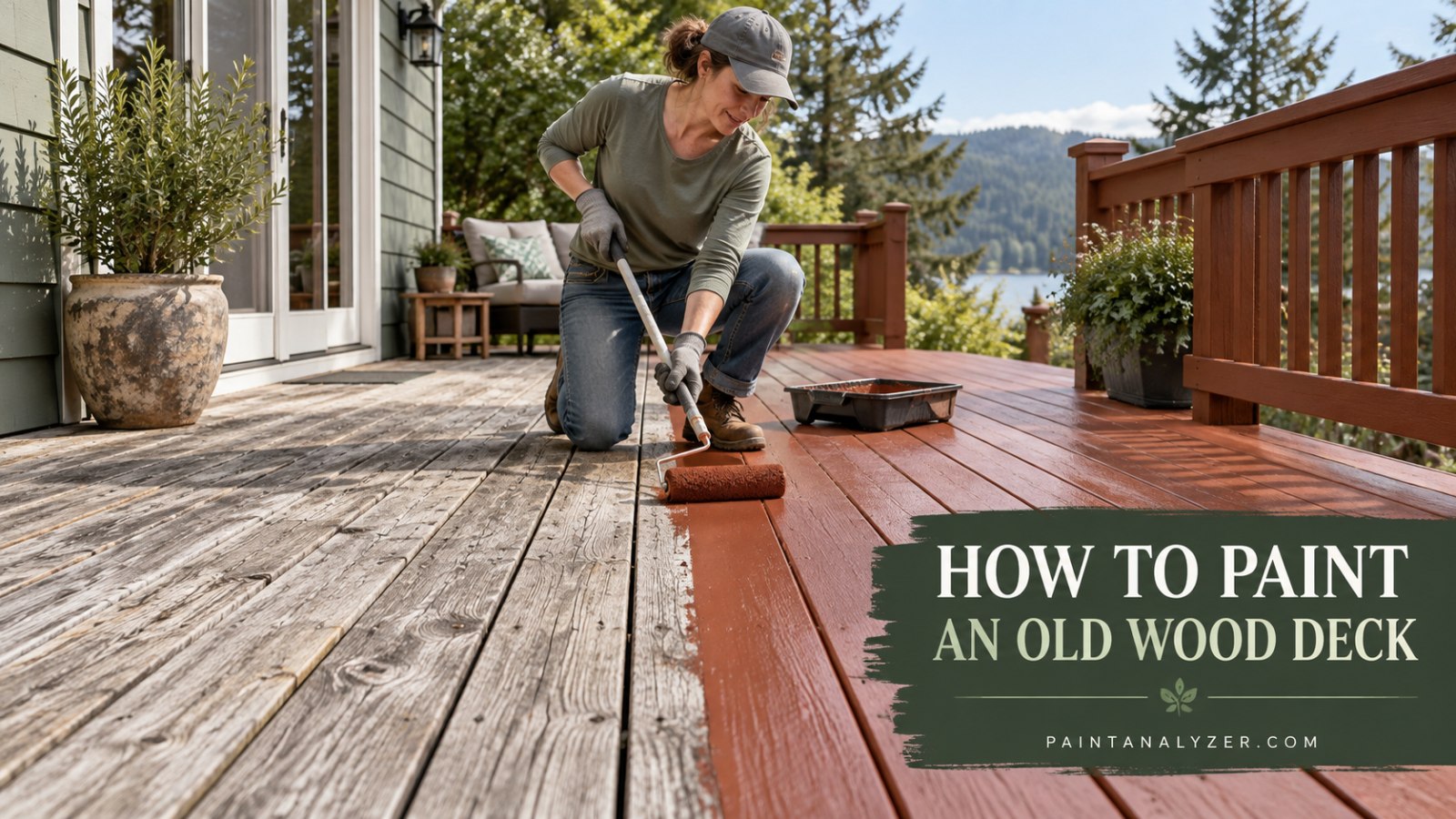
An old deck needs real structural and surface assessment before any paint goes on — rot, previous stain or sealer residue, and the wood's actual condition all determine whether painting is even the right call.