
How to Dye Your Rattan and Wicker Furniture
Wood dye penetrates rattan and wicker's tightly woven surface more evenly than paint, preserving the natural woven texture while still delivering genuine, lasting color.
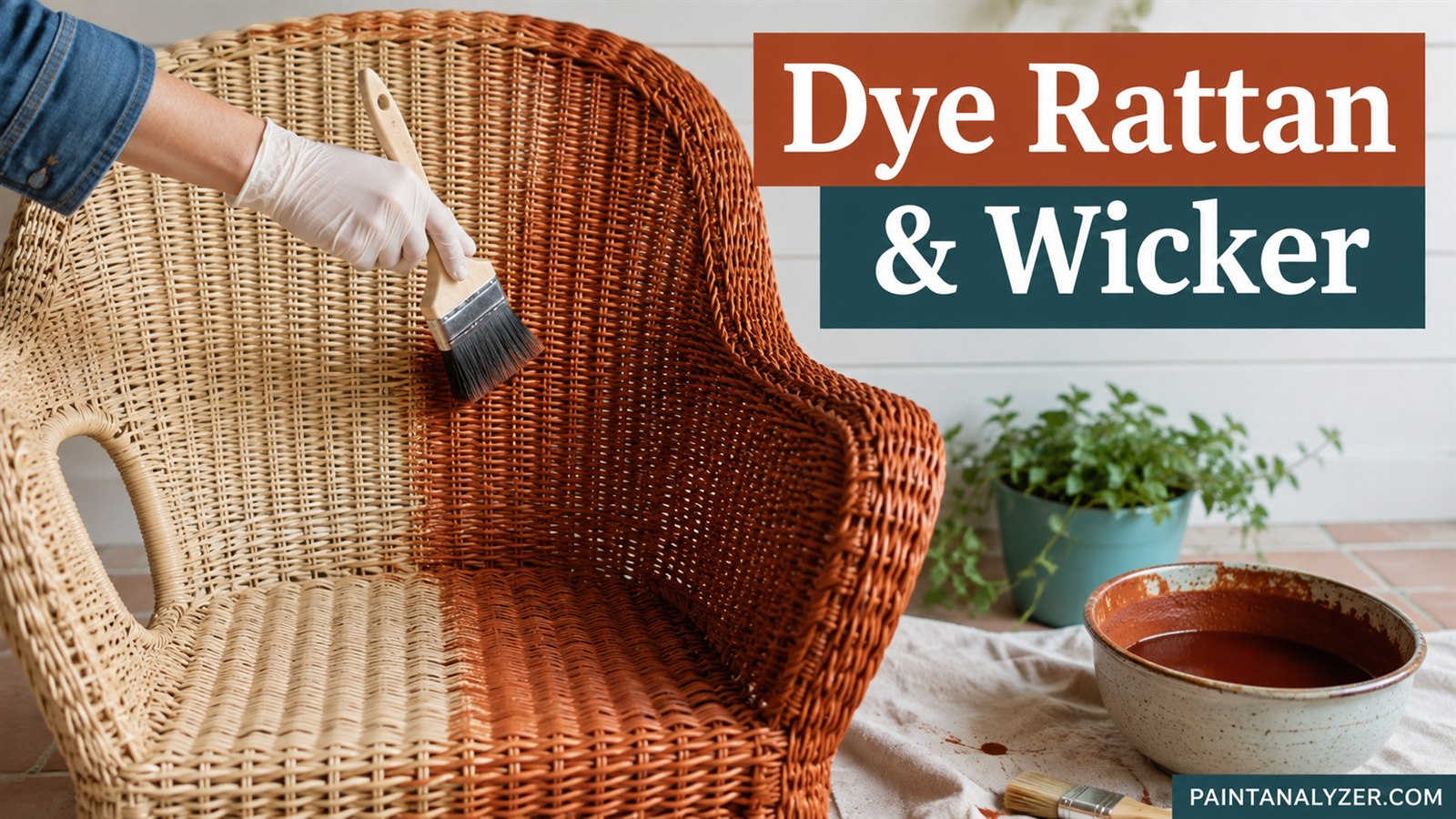
Dyeing rattan and wicker furniture is often a better approach than painting when the goal is refreshing color while preserving the material's natural woven texture — dye penetrates the material's surface rather than sitting on top as a film, which suits rattan and wicker's tightly woven structure particularly well.
1. Clean thoroughly before dyeing
Removing dust, dirt, and any old finish residue with a brush and mild cleaning solution, working into the many small crevices a woven piece has, gives the dye an even, clean surface to penetrate.
2. Choose a wood dye appropriate for the material
A penetrating wood dye or stain, rather than a surface-film paint, works with rattan and wicker's woven texture rather than obscuring it — checking that the specific product is suitable for rattan or wicker (some are formulated more generally for solid wood) helps ensure good absorption into this specific material.
3. Test the dye color on a hidden section first
Testing on an inconspicuous area (the underside of a seat, an inner section) confirms how the dye actually looks once absorbed into the material, since rattan and wicker can absorb dye somewhat differently than solid wood given their different fiber structure.
4. Apply working into all the woven crevices
1. Apply dye with a brush, working into every crevice of the weave
2. Wipe away excess dye that hasn't absorbed, following the product's
   specific technique
3. Allow to dry fully per the product's instructions
4. Apply additional coats if a deeper color is wanted
5. Address any mold or mildew before dyeing, if present
Older rattan or wicker furniture, especially if stored in a humid environment, can develop mold or mildew that needs to be cleaned and treated before dyeing — dyeing over existing mold doesn't address it and the mold can continue growing underneath.
6. Seal the finished piece for durability
A clear protective sealer appropriate for the dye product used protects the color from fading and adds some water resistance, particularly important for a piece that will see any outdoor or semi-outdoor use.
7. Ongoing care for dyed rattan and wicker
Keeping the piece away from direct, prolonged sun exposure where possible, and reapplying sealer periodically as it wears, helps the dyed color hold up longer — rattan and wicker furniture generally benefits from being brought indoors or covered during off-season months if kept outdoors.
Guides are researched against primary documentation and observable evidence. Archived material is rewritten, checked, and substantially improved before publication.