
Mixing, drying times, and surfaces that hold acrylic well.
Diagnose the surface. Choose the system. Paint with fewer surprises.
Practical paint advice from preparation to repair
Identify paint failures, compare paint types and finishes, prepare the right surface, estimate drying and recoating, and choose tools or products for the job you actually have.
424+Paint guides
6Categories covered
What are you trying to solve?
Peeling, bubbling, cracking, or staining: start with Techniques & Surfaces and diagnose moisture, adhesion, contamination, or incompatible coatings before repainting.
Choosing a material: use Buying Guides to compare paint type, finish, substrate, exposure, cleanup, cure time, and maintenance.
Planning the application: browse Tools & Equipment for brush, roller, sprayer, masking, sanding, and safety guidance.
PAINT PROBLEM FINDER
Read the symptom before choosing the fix
The same visible defect can have several causes. Check the surface and source of failure before sanding, priming, or recoating.
PeelingMoisture, weak adhesion, or an unstable layer underneathDiagnose →Stays tackyPaint type, temperature, humidity, ventilation, or heavy filmCheck timing →CrackingFilm stress, excessive thickness, movement, or incompatible layersDiagnose →Color shiftLighting, sheen, drying, coverage, or surrounding colorUnderstand →
Plan the whole coating system
- 1IdentifySurface, existing coating, exposure, and defect
- 2PrepareClean, repair, sand, dry, and test adhesion
- 3SelectCompatible primer, paint, finish, and tools
- 4Apply & cureFollow conditions, recoat window, ventilation, and full cure
Browse by paint system
Technique, waterproofing, and cleanup for aerosol projects.
Working properties, layering, and care for oil paint.
Choosing the right paint and finish before you start.

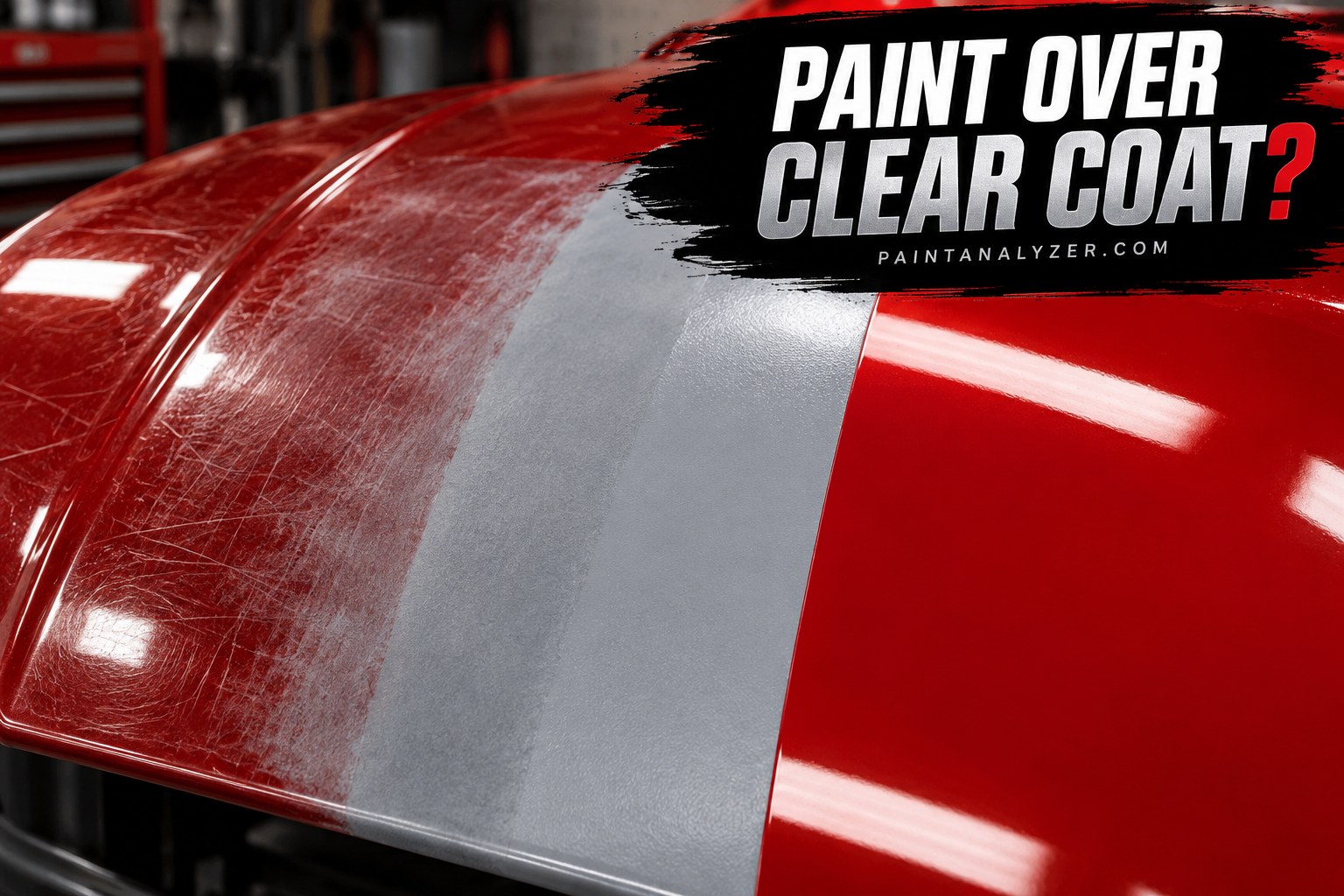
Latest guides
Techniques & Surfaces
Best Paint for Butcher Block Countertops
A food-safe topcoat is the real constraint here — the paint or stain choice matters less than sealing it with a finish genuinely rated safe for surfaces that contact food.
Buying Guides
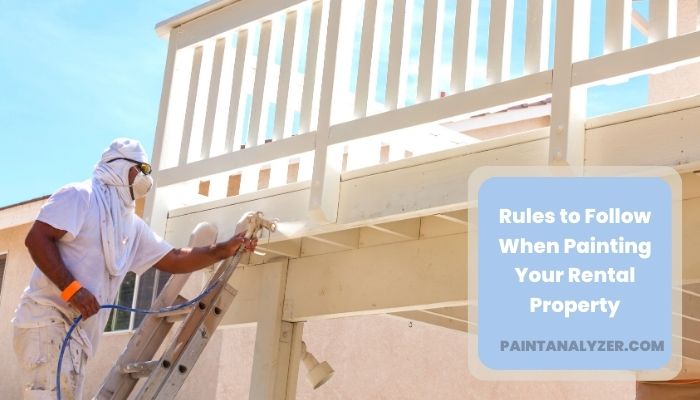
Rules to Follow When Painting a Rental Property
Beyond checking the lease, choosing durable, neutral, easy-to-touch-up paint protects a security deposit and keeps the space appealing to future tenants far better than a bold personal color choice would.
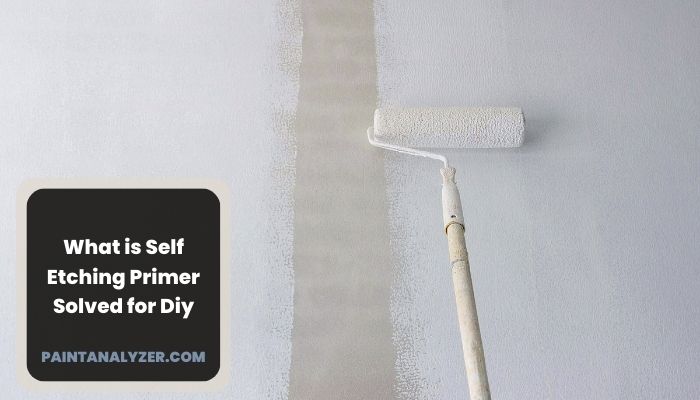
Techniques & Surfaces
What Is Self-Etching Primer?
A mild acid built into the primer itself lightly etches bare, slick metal as it's applied — the step that gives paint something to grip on surfaces standard primer struggles to bond to.
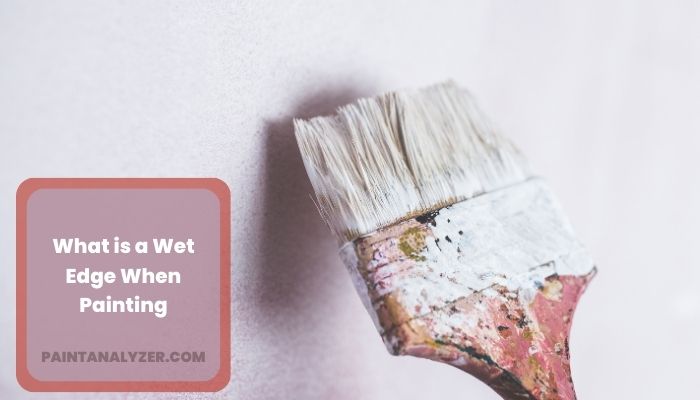
Techniques & Surfaces
What Is a "Wet Edge" When Painting?
The single concept behind avoiding lap marks — always overlapping into paint that's still wet, never into paint that's already started to dry.
Buying Guides
Does Paint Dry Darker or Lighter? Why It Happens
Both directions genuinely happen, and which one applies depends on the paint's binder and sheen — the color on the can's wet swatch and the same paint fully dried on a wall are reliably not identical.
Acrylic Paint
Can You Use Acrylic Paint on Different Surfaces? A Complete Guide
Acrylic paint bonds well to porous surfaces on its own and needs a bonding step (sanding, priming, or both) on anything smooth and non-porous — the same rule holds across wood, metal, glass, fabric, and more.
Use the guide, then verify the job conditions
Paint performance depends on the substrate, existing coating, preparation, temperature, humidity, ventilation, film thickness, and product instructions. Confirm the technical data sheet, test a small area, and follow manufacturer safety and recoat guidance. For suspected lead paint, extensive moisture damage, or hazardous coatings, use an appropriately qualified professional.