Best Paint for Butcher Block Countertops
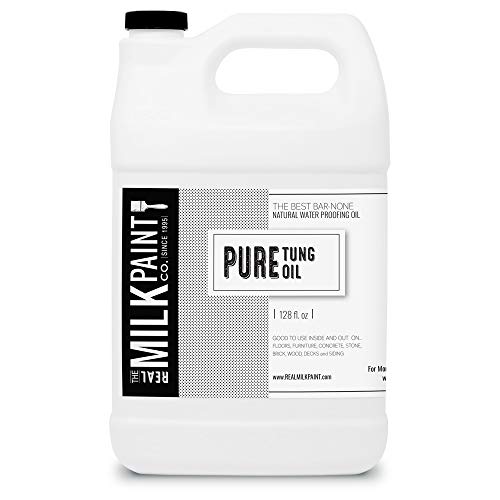
A food-safe topcoat is the real constraint here — the paint or stain choice matters less than sealing it with a finish genuinely rated safe for surfaces that contact food.
Paint Analyzer covers acrylic, spray, and oil paint techniques, drying times, surfaces, and buying guides.
A food-safe topcoat is the real constraint here — the paint or stain choice matters less than sealing it with a finish genuinely rated safe for surfaces that contact food.
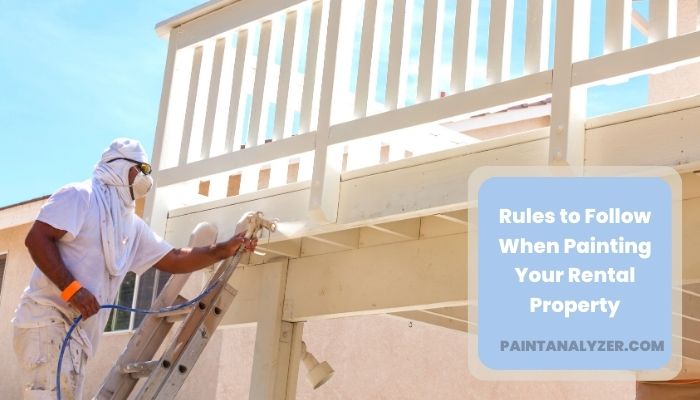
Beyond checking the lease, choosing durable, neutral, easy-to-touch-up paint protects a security deposit and keeps the space appealing to future tenants far better than a bold personal color choice would.
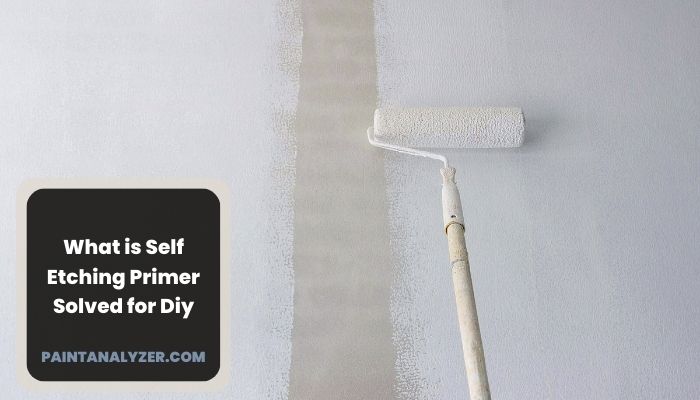
A mild acid built into the primer itself lightly etches bare, slick metal as it's applied — the step that gives paint something to grip on surfaces standard primer struggles to bond to.
The single concept behind avoiding lap marks — always overlapping into paint that's still wet, never into paint that's already started to dry.
Both directions genuinely happen, and which one applies depends on the paint's binder and sheen — the color on the can's wet swatch and the same paint fully dried on a wall are reliably not identical.
Acrylic paint bonds well to porous surfaces on its own and needs a bonding step (sanding, priming, or both) on anything smooth and non-porous — the same rule holds across wood, metal, glass, fabric, and more.
Dry-to-touch and fully cured are different milestones, and the gap between them varies enormously by paint type — acrylic feels dry in under an hour but keeps hardening for weeks.
Large sheets peeling away — rather than small chips or flakes — points specifically at moisture pushing between paint layers or vapor migrating through a wall from behind, not a simple adhesion problem at the surface.
Plastic is the trickiest surface for this — many of the strongest paint solvents also dissolve or cloud plastic itself, so the safe removers are gentler and slower than what works on metal or glass.
Knot bleed is resin and tannins in the wood migrating through a standard primer over weeks or months — a shellac-based primer is the one product that reliably blocks it, and ordinary primer usually doesn't.
Both are well-regarded, widely available premium painter's tape brands — FrogTape's PaintBlock technology and ScotchBlue's edge-lock adhesive both target the same goal (a crisp, bleed-free line) through different formulation approaches.
UV damage on a car's clear coat ranges from mild oxidation (fixable by polishing) to full clear-coat failure (which polishing can't fix and only a repaint solves) — telling the two apart first saves wasted effort.