
How to Remove Glue, Caulk, Primer, and Stains From Walls and Floors Before Painting
A clean, residue-free surface is the foundation of any good paint job — here's how to deal with the specific leftover messes (glue, caulk, primer, stains, and general residue) that commonly show up on walls and floors before painting.
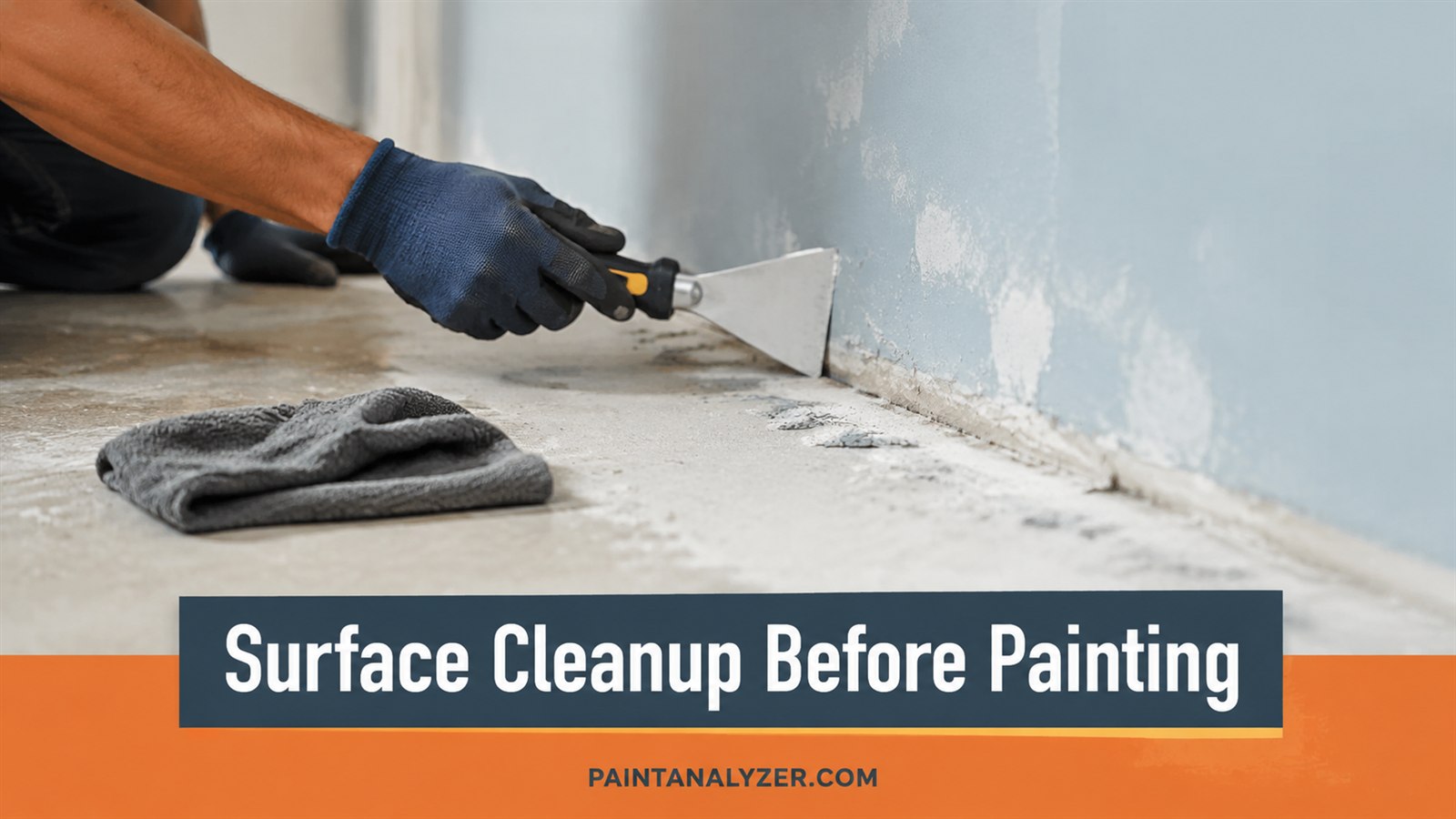
Before painting a wall or floor, any leftover residue from a prior project — dried caulk, old adhesive, hair dye, nail polish, primer overspray, water or soot stains — needs to be dealt with, since paint applied over these problems tends to show them through or fail to adhere properly on top of them.
1. Dried caulk off a painted wall
Dried caulk can generally be softened with a caulk-softening product or, for smaller amounts, carefully scraped away with a plastic scraper to avoid gouging the paint underneath — following the same "soften before scraping" logic covered for other stubborn dried materials throughout this site.
2. Hair dye off walls
Fresh hair dye on a painted wall often comes off with a damp cloth and a bit of dish soap while still wet — for dye that's dried and set, a paste of baking soda and water, applied and gently rubbed following the same approach covered for other stubborn stains on painted surfaces, handles most remaining discoloration without damaging the paint.
3. Dried glue off painted wood
For dried adhesive on painted wood, warm soapy water softens many water-based glues, while a small amount of acetone (tested first in a hidden spot, since acetone can affect some painted finishes) handles tougher adhesives — following the same test-first caution covered for using acetone near any painted or plastic surface.
4. Kilz/Zinsser primer off a laminate floor
Dried oil-based or shellac-based stain-blocking primer (like Kilz or Zinsser) on laminate flooring generally needs a solvent matched to the primer type — denatured alcohol for shellac-based primer, mineral spirits for oil-based — applied carefully to avoid dulling the laminate's own finish, tested on a hidden area first.
5. Nail polish off painted walls
Nail polish remover (acetone-based) can lift nail polish stains but risks softening or discoloring some paint finishes underneath — testing in a hidden spot first, and using the minimum amount needed, dabbing rather than rubbing aggressively, protects the surrounding paint while addressing the stain.
6. Shellac finish off old wood floors
Removing an old shellac finish, in preparation for refinishing or painting, is done with denatured alcohol (shellac's specific solvent) applied with a cloth or fine steel wool, following the same solvent-matching principle used throughout paint and finish removal generally.
7. Spray paint off a driveway or asphalt
Fresh spray paint overspray on asphalt or a concrete driveway can sometimes be pressure-washed off while still wet — for paint that's dried, a degreaser or a dedicated graffiti-remover product, following the manufacturer's specific instructions for the surface, handles most remaining spots without damaging the asphalt or concrete underneath.
8. Sticky residue off vinyl and linoleum floors
Adhesive or other sticky residue on vinyl or linoleum responds well to a citrus-based adhesive remover (like Goof Off) applied per the product's instructions, following the same approach covered for removing sticker residue and other adhesive from various surfaces throughout this site.
9. WD-40 off painted walls
WD-40 overspray or a stain on a painted wall can be lifted with a dish soap and warm water solution, since WD-40 is oil-based and dish soap is specifically effective at breaking down oils — repeating gently as needed rather than scrubbing aggressively protects the paint film underneath.
10. Water stains from drywall before painting
A water stain on drywall needs a stain-blocking primer (shellac- or oil-based) applied over the cleaned, dried stain before repainting — painting directly over a water stain with standard wall paint, without this stain-blocking step, very often lets the stain bleed back through the new paint.
11. Soot stains from walls before painting
Soot (from a fireplace, candle, or minor fire damage) should first be vacuumed or dry-sponged (never wet-wiped initially, which can smear soot deeper into the surface) before any wet cleaning, then followed with a stain-blocking primer for the same reason covered for water stains — soot is notorious for bleeding through paint that isn't properly primed first.
12. The shared principle: clean and prime before painting over any prior residue
Across all of these, the same two-step logic applies: remove as much of the residue as safely possible, then use an appropriate stain-blocking primer for anything that could still bleed through — skipping either step is the most common reason a fresh paint job shows the old problem again within weeks or months.
Guides are researched against primary documentation and observable evidence. Archived material is rewritten, checked, and substantially improved before publication.