
How to Paint Galvanized Metal
Fresh galvanized steel is coated in a zinc layer with oils and a natural oxide film that most paint won't bond to — the fix is either letting it weather for months first, or using a primer made specifically for galvanized surfaces.
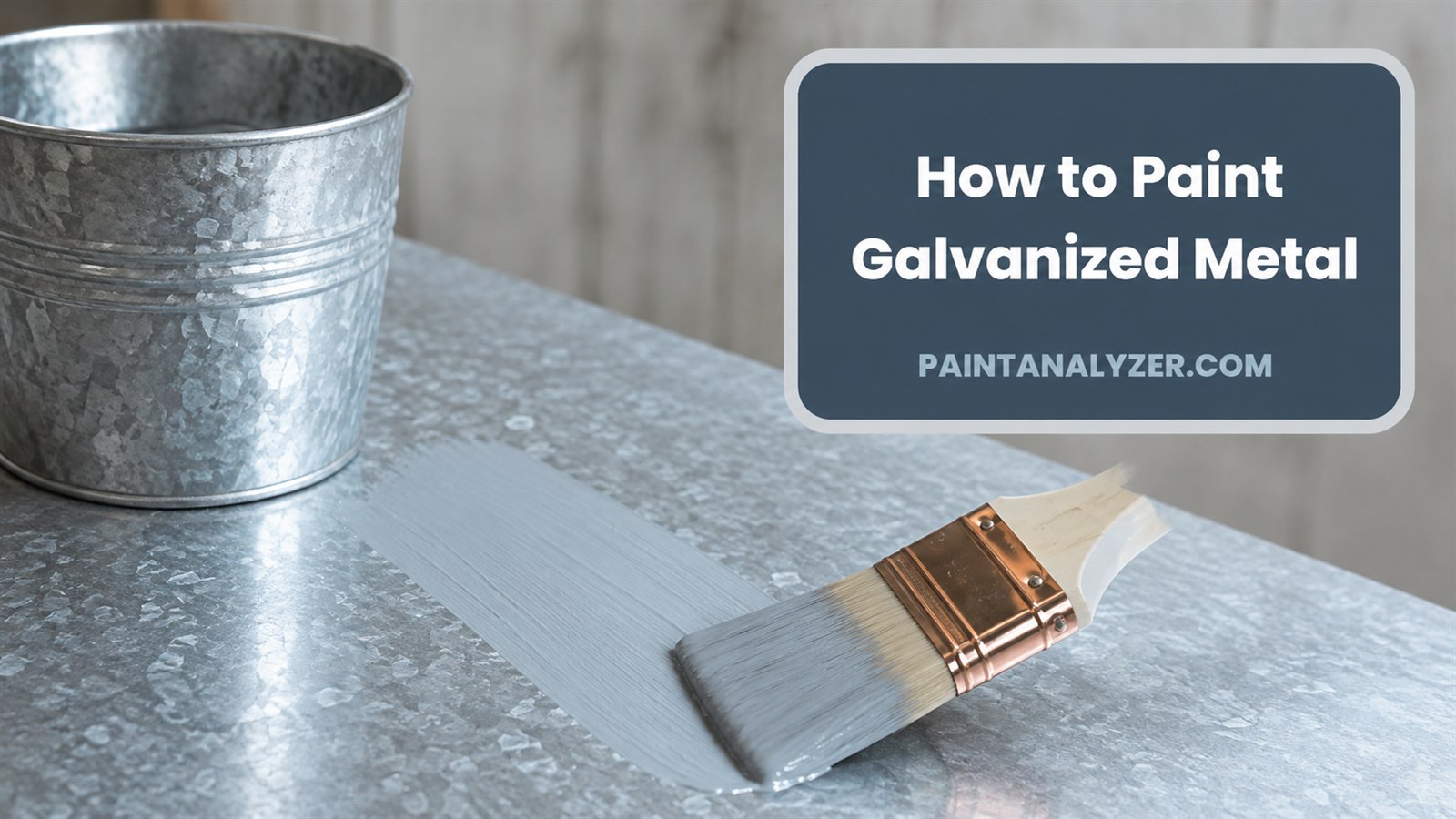
Galvanized steel is coated in a layer of zinc to prevent rust — that zinc coating is exactly what makes ordinary paint struggle to bond to it. New galvanizing is smooth, often has residual manufacturing oils on the surface, and forms a thin zinc-oxide/zinc-carbonate layer as it reacts with air, none of which gives standard paint much to grip onto.
1. Let new galvanizing weather, or clean it thoroughly
Brand-new galvanized metal ("bright" galvanizing) is the hardest to paint successfully — many painters recommend letting it weather outdoors for 6 months to a year first, which allows the surface to naturally develop a more paint-receptive patina. If painting sooner is necessary, scrub the surface with a stiff brush and a mixture of vinegar and water (or a commercial galvanized-metal etching cleaner) to remove oils and lightly etch the surface, then rinse and let it dry fully.
2. Use a primer made for galvanized metal
This is the step that actually matters most. Ordinary metal primers are formulated for bare steel or iron, not zinc — a primer specifically labeled for galvanized metal (many DTM "direct-to-metal" primers, or dedicated galvanized-metal primers) is chemically formulated to bond to zinc's surface chemistry the way a generic rust-inhibiting primer isn't.
3. Avoid oil-based paint directly on galvanizing without the right primer
Oil-based (alkyl) paint applied directly to zinc can react with the metal in a process sometimes called "zinc soap" formation, where the paint saponifies against the zinc surface and fails to cure properly, leading to peeling. This is specifically why the galvanized-metal-rated primer step isn't optional — it creates a barrier layer between the zinc and whatever topcoat goes over it.
4. Apply thin, even coats
Once primed, most acrylic latex or oil-based topcoats can be used successfully. Apply two thin coats rather than one heavy one — galvanized surfaces are often used outdoors (gutters, railings, ductwork, fencing), and a thinner, more flexible paint film handles the metal's thermal expansion and contraction better than a thick one, which is more prone to cracking over time.
5. Watch for white, powdery corrosion first
If the galvanized surface already shows white, chalky corrosion spots (zinc oxide buildup, sometimes called "white rust"), that loose material needs to be removed with a wire brush before priming — painting directly over it just traps a weak, poorly-bonded layer underneath the new paint film, which will eventually flake off along with the paint on top of it.
Guides are researched against primary documentation and observable evidence. Archived material is rewritten, checked, and substantially improved before publication.