
How to Paint Baseboards With Carpet Already Installed
Painting baseboards without removing the carpet is entirely achievable with a carpet shield tool and careful cutting-in technique — no need to pull up flooring for a routine trim refresh.
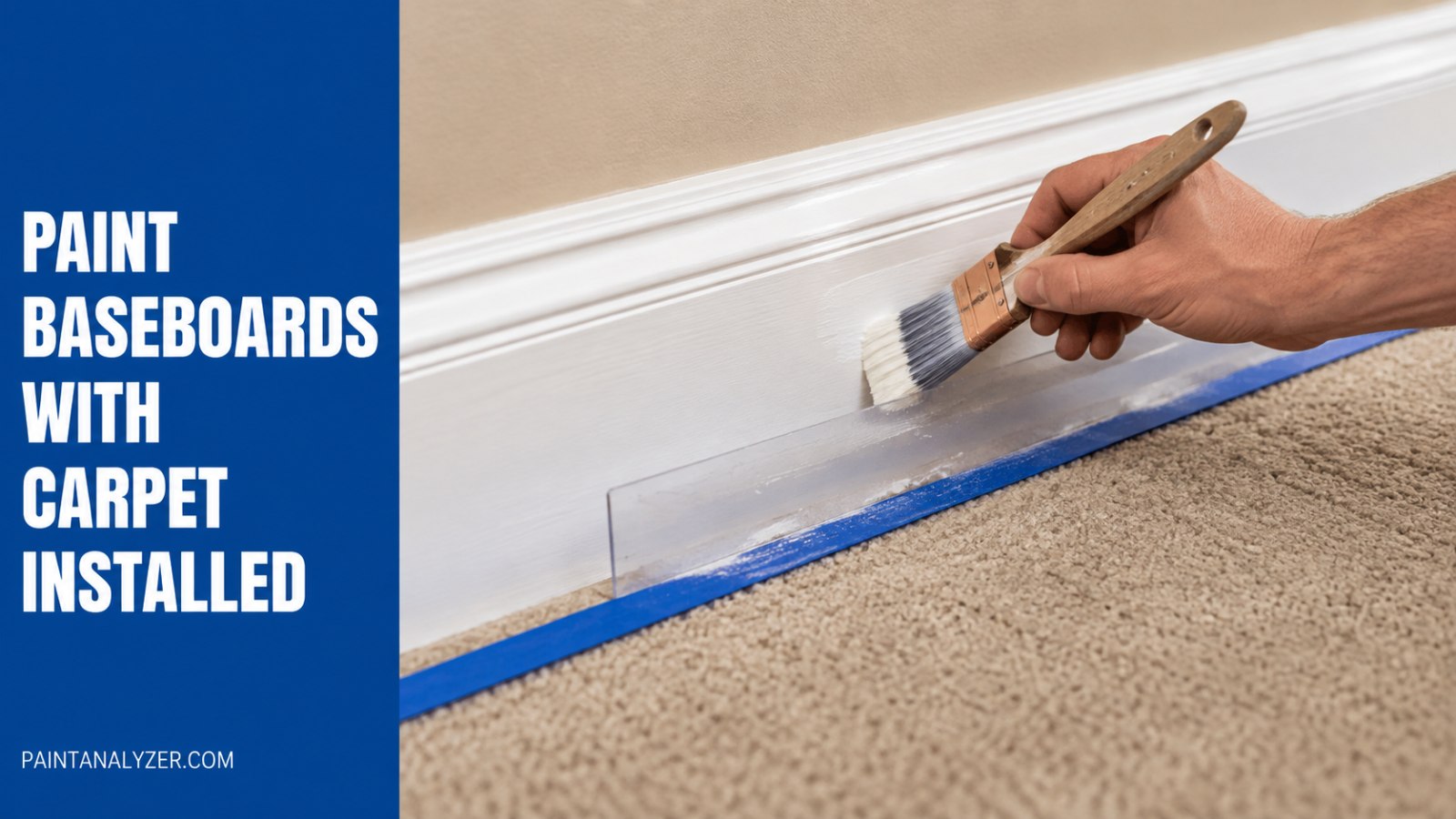
Painting baseboards with carpet already installed, rather than removing the flooring first, is entirely achievable and is in fact how most baseboard touch-up and repainting work gets done in practice — the key is protecting the carpet at the point where it meets the baseboard.
1. Use a carpet shield tool to protect the carpet edge
A carpet shield (a thin, flat tool that tucks between the carpet and baseboard, protecting the carpet fibers while exposing the baseboard's bottom edge) is the standard solution here — it lets the full baseboard, including its lowest edge, be painted without getting paint on the adjacent carpet.
2. Clean the baseboard before painting
Baseboards accumulate dust and grime along the floor line especially, following the same cleaning-before-priming principle covered for trim generally — a thorough wipe-down or light cleaning solution removes this before sanding and painting.
3. Sand lightly if the existing finish is glossy
Following standard trim painting prep, a light sanding pass on an existing glossy baseboard finish helps the new paint adhere better than painting directly over an unsanded glossy surface would.
4. Cut in carefully at the carpet line, using the shield tool as you go
1. Slide the carpet shield tool into place along a section of baseboard
2. Cut in with a brush along the bottom edge, using the shield to
   protect the carpet
3. Move the shield along as you progress down the baseboard run
4. Wipe the shield tool clean between sections to avoid transferring
   wet paint
5. Use a paint appropriate for trim
Following standard trim paint selection (typically a satin or semi-gloss durable enamel, as covered for painting trim generally), a paint rated for the handling and cleaning trim experiences holds up better than a flat wall paint used on baseboards.
6. Clean up any accidental drips promptly
Despite careful technique, an occasional drip onto carpet can still happen — blotting (never rubbing, which spreads the paint into more carpet fibers) any fresh paint immediately, following the same immediate-action principle covered for removing paint from carpet elsewhere on this site, gives the best chance of a clean result.
Guides are researched against primary documentation and observable evidence. Archived material is rewritten, checked, and substantially improved before publication.