
How to Get Paint Off Tires
Rubber tolerates more aggressive solvents than painted metal or clear-coated surfaces nearby — but overspray removal still means protecting the rim and using the right product for the paint type.
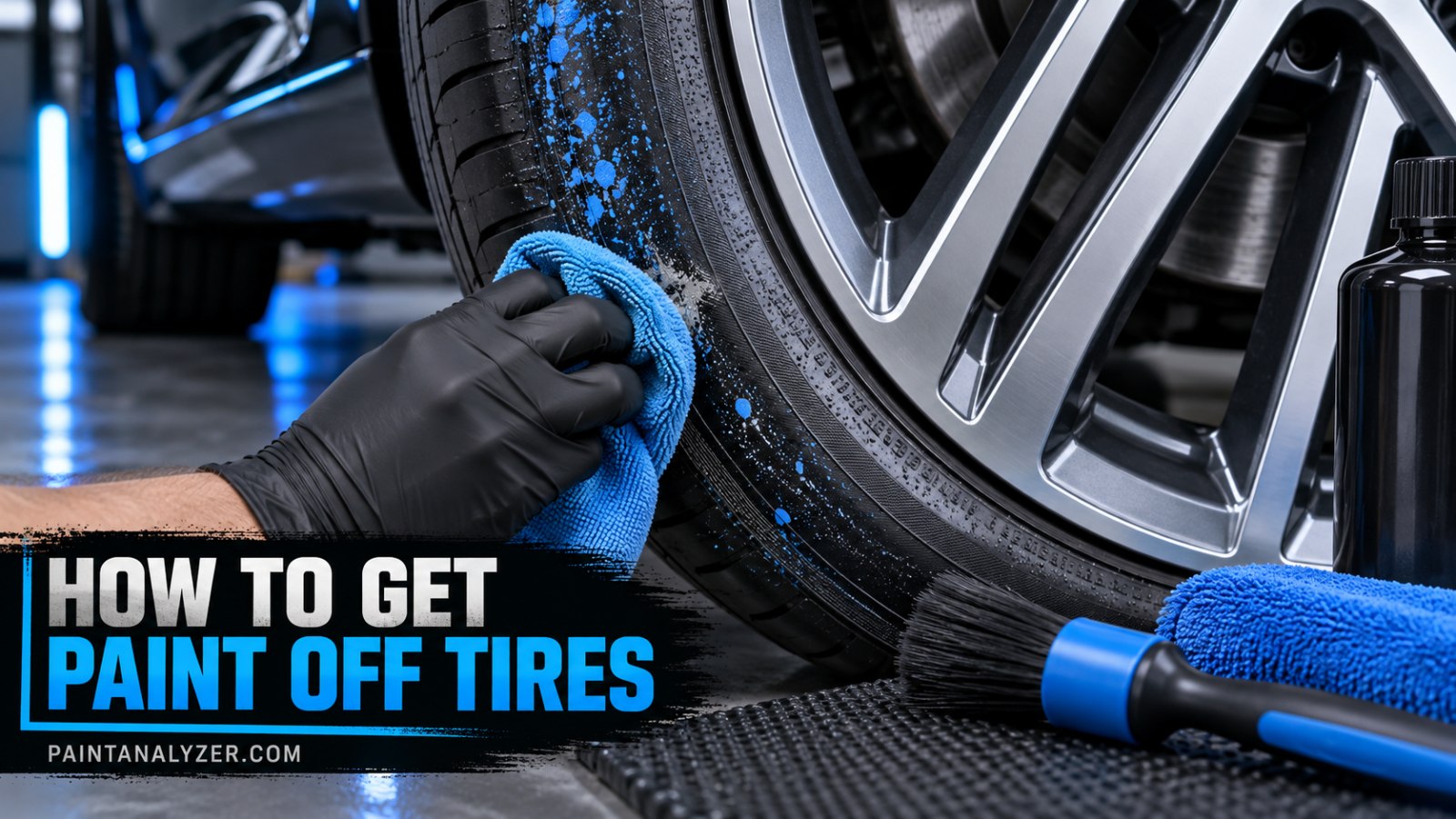
Paint overspray on a tire — from painting a curb, a fence, a nearby wall, or a DIY wheel-refinishing job that didn't mask well enough — is genuinely easier to remove from rubber than from most painted surfaces, since tire rubber is far more chemically resistant to solvents than the paint or clear coat on the wheel right next to it.
1. Try the gentlest option first: soap and warm water
For fresh, still-wet overspray, warm soapy water and a stiff-bristle brush removes a surprising amount before anything stronger is needed — always the right starting point regardless of paint type, since it costs nothing to try and can't damage anything.
2. For dried latex or water-based paint
Rubbing alcohol on a rag, or a dedicated tire/rubber-safe adhesive removerApply, let sit for a few minutes to soften the paint, then scrub with a stiff nylon brush (not wire, which can damage the tire's rubber surface) and rinse thoroughly.
3. For dried oil-based or spray paint
WD-40, mineral spirits, or acetoneThese stronger solvents are generally fine on tire rubber in normal use, but should be kept away from the wheel/rim itself — acetone in particular can strip or cloud a clear-coated wheel finish on contact. Apply to a rag rather than pouring directly onto the tire, work the paint loose, then wash thoroughly with soap and water afterward; leaving petroleum-based solvents to sit on rubber for extended periods can dry it out over time.
4. Protect the wheel while working
Mask the rim with painter's tape and plastic sheeting before using any solvent stronger than soap and water — this is the step people skip and then regret, since a wheel's factory clear coat or paint is considerably more solvent-sensitive than the tire is.
5. For a rubber-safe commercial option
Automotive detailing brands sell dedicated "tire paint and overspray removers," reformulated specifically to dissolve cured paint without degrading the tire's rubber compounds the way a harsher all-purpose solvent might with repeated or prolonged use — worth it for a larger overspray job or a valuable/specialty tire.
6. Finish with a rinse and tire dressing
After removing the paint, rinse thoroughly to clear any solvent residue, then a standard tire dressing/protectant helps restore the surface after solvent exposure, since most of the products above are somewhat drying to rubber with repeated use.
Guides are researched against primary documentation and observable evidence. Archived material is rewritten, checked, and substantially improved before publication.