
How to Paint Wooden Window Frames
Window frames need careful masking of the glass and hardware, plus attention to any moving parts, so the frame still opens and closes freely once the paint has cured.
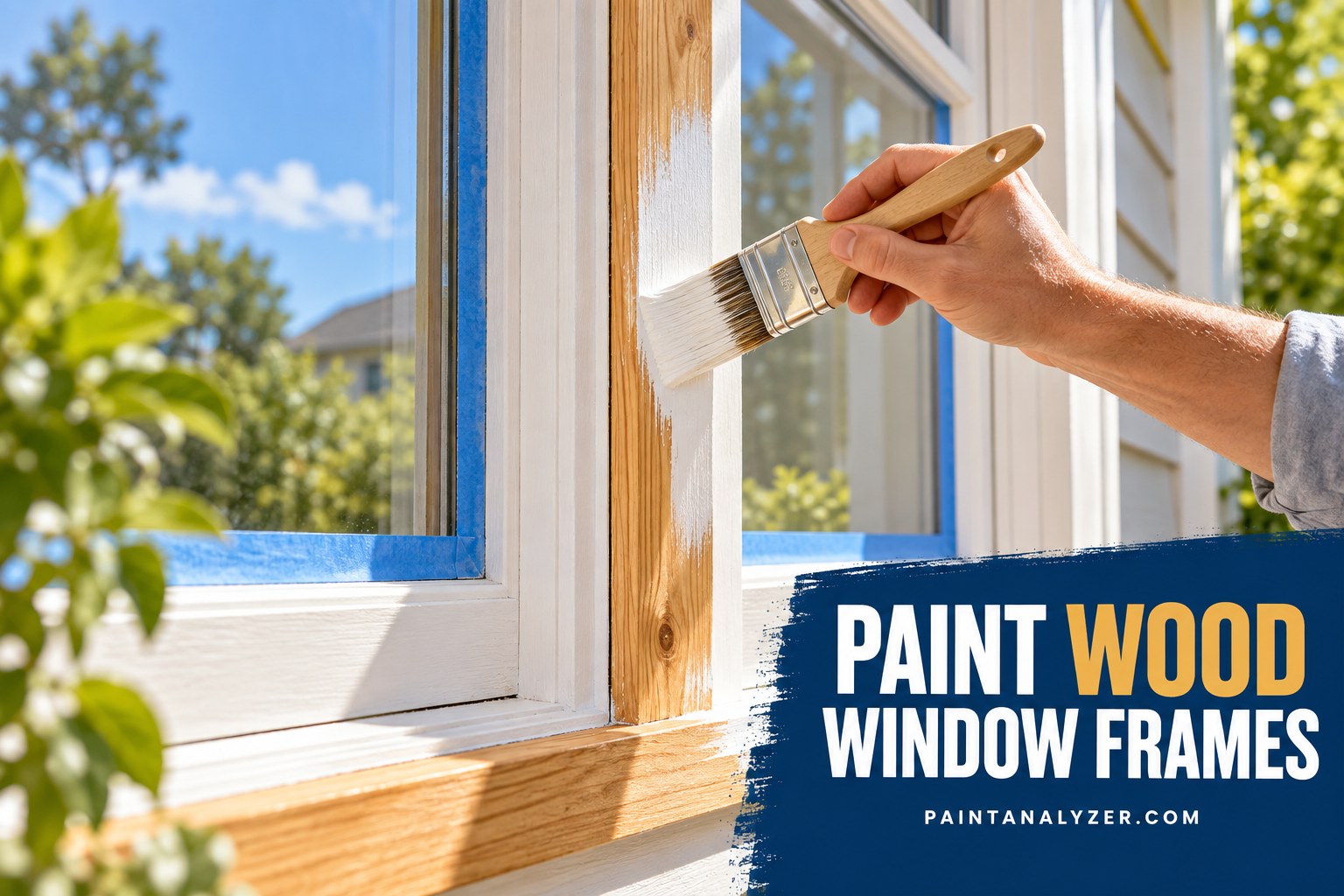
Painting wooden window frames combines standard wood-painting fundamentals with a few window-specific details — protecting the glass, keeping any moving hardware functional, and avoiding accidentally painting a window shut, which is a common and entirely avoidable mistake.
1. Clean and inspect the frame
Cleaning to remove dirt and any condensation-related mildew, and inspecting for wood rot or damage (common at window sills exposed to water) that needs repair before painting, sets up the rest of the project properly.
2. Sand and address any peeling or failing existing paint
Removing loose or peeling paint and sanding to feather the edges between sound paint and bare wood, following standard exterior wood prep, gives the new paint an even surface rather than telegraphing old paint failure through the new coat.
3. Prime any bare wood spots
Any bare wood exposed by scraping or sanding needs a coat of appropriate primer before the topcoat, protecting that wood from moisture and giving the topcoat even, consistent coverage across both old paint and any repaired bare spots.
4. Mask the glass and any hardware
Thorough masking of the glass panes and any hardware (locks, hinges, handles) not being painted protects them from paint contact — a careful straight edge along the glass/frame junction, using quality painter's tape, gives a clean professional line.
5. Apply paint in thin, even coats using a proper technique for the frame's profile
Window frames often have multiple small profiles and mullions — a smaller angled sash brush, working the paint into these details evenly, gives better coverage and a neater result than trying to force a larger brush into tight window frame details.
6. Avoid painting the window shut
Operating the window periodically while the paint is still workable (before it fully sets, following the paint's specific working time) prevents the sash from bonding to the frame as the paint dries — this is one of the most common and entirely avoidable mistakes in window frame painting.
7. Allow full cure before regular operation
Even after avoiding painting the window shut during application, giving the paint its full cure time before regularly opening and closing the window protects the still-curing paint film from the wear of normal window operation.
Guides are researched against primary documentation and observable evidence. Archived material is rewritten, checked, and substantially improved before publication.