
How to Get Paint Off Hardwood Floors
The right removal method depends on whether the paint is still wet, dried but fresh, or old and cured — using the wrong one risks damaging the wood finish.
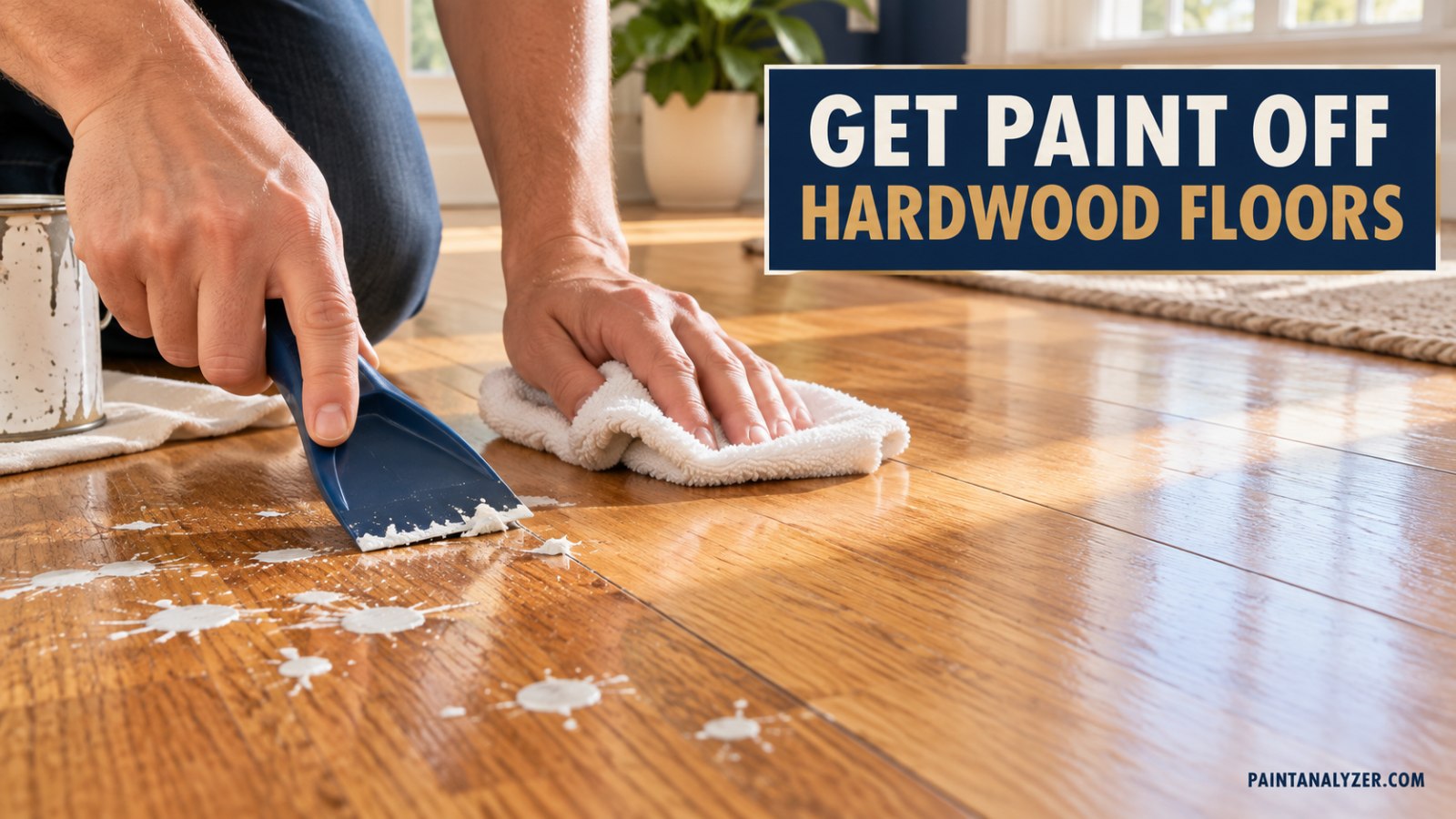
The right way to remove paint from a hardwood floor depends heavily on whether it's still wet, dried recently, or fully cured — using an aggressive method on a small fresh spill risks damaging the floor's finish for no reason.
Still wet
Blot (don't wipe, which spreads it) with a damp cloth for water-based paint, working from the outside of the spill inward. For oil-based paint while still wet, a cloth dampened with mineral spirits works the same way — test on an inconspicuous area first.
Dried but recent
A plastic putty knife or old credit card held at a low angle can lift dried paint without gouging the wood the way a metal scraper can. Work gently and stop as soon as the bulk of the paint is lifted — you don't need to remove every trace mechanically before moving to the next step.
Fully cured, older paint
A commercial floor-safe paint remover, or isopropyl alcohol applied and left for a few minutes to soften the paint before gently scraping, works for cured spots. Avoid harsh chemical strippers not labeled safe for finished wood floors — they can strip the floor's own finish along with the paint, creating a bigger repair job than the original spill.
After removal
Clean the area with a wood floor cleaner appropriate for the floor's finish, and check whether the spot needs a small touch-up of floor finish once the area is fully dry — an aggressively scraped spot can leave a dull patch even after the paint itself is gone.
What to avoid
Metal scrapers and razor blades on wet or semi-dry paint (they gouge the wood underneath), and steel wool or heavily abrasive scrubbing on any hardwood finish — both remove more of the actual floor than the spill.
Identify the floor finish before choosing a solvent
"Hardwood" describes the wood, not the coating protecting it. Polyurethane, penetrating oil, wax, and factory-applied finishes can respond differently to alcohol, mineral spirits, or commercial removers. Test any chemical in a hidden spot and watch for softening, whitening, dulling, or color transfer before using it on the visible spill.
Start with the least aggressive method that can work
Mechanical lifting with a fingernail, plastic card, or plastic scraper is often safer than solvent for a small dried drip. Warm water with a little mild soap can soften some water-based paint at the edge, but do not flood wood flooring — excess water can enter seams and swell boards. Work with a damp cloth rather than soaking the spot.
Do not assume isopropyl alcohol is universally floor-safe
Alcohol can soften or dull some finishes, especially with prolonged contact. If water and gentle scraping do not work, use a method approved for the floor finish or a remover specifically labeled safe for finished wood. Apply it only to the paint spot, keep dwell time controlled, and stop immediately if the floor coating itself becomes tacky or hazy.
Heat can help, but only gently
For some water-based drips, gentle warmth from a hair dryer can make the paint slightly more flexible before plastic scraping. Avoid high heat or heat guns — they can damage the finish, discolor wood, or create a fire risk around solvent residues. The point is to soften a small paint film, not to strip the floor.
Know when to stop
If the remaining mark is thinner than the surrounding clear finish or the floor begins to lose gloss before the paint is gone, continued removal is now damaging the floor rather than cleaning it. At that point a finish touch-up or professional spot repair may be less destructive than chasing the final pigment mechanically or with stronger solvent.
Guides are researched against primary documentation and observable evidence. Archived material is rewritten, checked, and substantially improved before publication.