
How to Remove Paint, Primer, and Resin From Skin, Hair, and Clothing
From primer on your hands to tempera paint on a kid's shirt, most of these body and clothing messes respond to the same core approach: act fast, and match the solvent to the paint type.
Paint, primer, and resin ending up on skin, hair, or clothing during a project is common enough that it's worth knowing the right response for each — the core principle across all of them is acting while the material is still fresh, since dried, cured material is always harder to remove than wet.
1. Primer off skin
Water-based primer wipes off skin easily with soap and warm water while still wet, following the same water-based-paint removal logic covered throughout this site — oil-based primer needs a mineral spirits or waterless hand cleaner approach, similar to removing oil-based paint from skin, followed by a thorough soap-and-water wash to remove the solvent residue itself.
2. Resin off hands
Epoxy or other resin on hands, while still uncured, responds to vinegar or a dedicated resin-removal wipe rubbed gently into the skin, followed by soap and water — once resin has fully cured, it generally has to wear off gradually with skin exfoliation rather than being dissolved off, which is exactly why acting before it cures matters so much here specifically.
3. Paint out of hair — natural and chemical methods
For fresh water-based paint in hair, working in a small amount of vegetable oil or coconut oil before shampooing several times can loosen it gently without harsh chemicals — for paint that's dried, a more targeted approach (a small amount of rubbing alcohol applied carefully, avoiding the scalp, followed immediately by shampooing) works for tougher spots, always testing on a small section first given hair and scalp sensitivity.
4. Liquid latex out of clothes and hair
Liquid latex, once dried, forms a flexible film that often peels away from fabric and hair more easily than it can be dissolved — gently working an edge loose and peeling, rather than reaching immediately for solvents, is usually the more effective and gentler first approach for this specific material.
5. Tempera paint out of clothes
Tempera paint is water-based and generally launders out well when treated promptly — rinsing the fresh stain under cold water from the back of the fabric, applying a bit of liquid laundry detergent directly to the stain, and washing as usual handles most tempera paint clothing stains without needing specialty products.
6. Dried paint stains from jeans
For paint that's already dried into denim, first scrape off any excess dried paint gently with a dull blade, then treat with the appropriate solvent for the paint type (rubbing alcohol for water-based, following the same principle as removing acrylic paint from fabric elsewhere on this site) before laundering as usual.
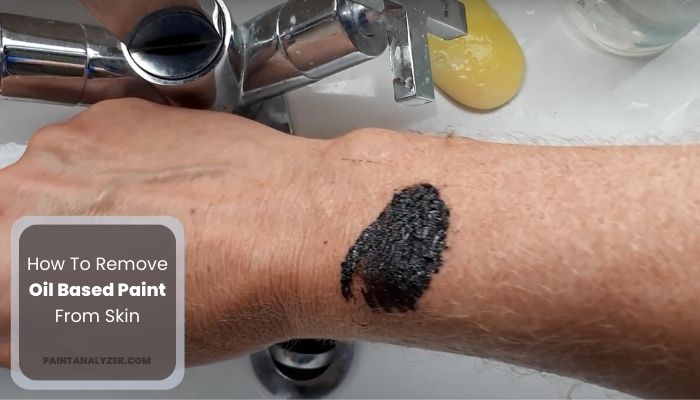
7. Oil-based paint from skin
Oil-based paint on skin responds well to a waterless hand cleaner, baby oil, or a small amount of vegetable oil worked in and then wiped off, followed by a normal soap-and-water wash — this avoids reaching for harsher solvents like paint thinner directly on skin, which can cause irritation with repeated or prolonged contact.
8. The general principle across all of these
Fresh, uncured material responds to gentle methods (soap, oil, peeling) far more readily than dried or cured material, which typically needs a targeted solvent matched to the specific product — treating a spill or spatter as soon as it's noticed, rather than waiting, is the single biggest factor in how easily it comes off.
Guides are researched against primary documentation and observable evidence. Archived material is rewritten, checked, and substantially improved before publication.