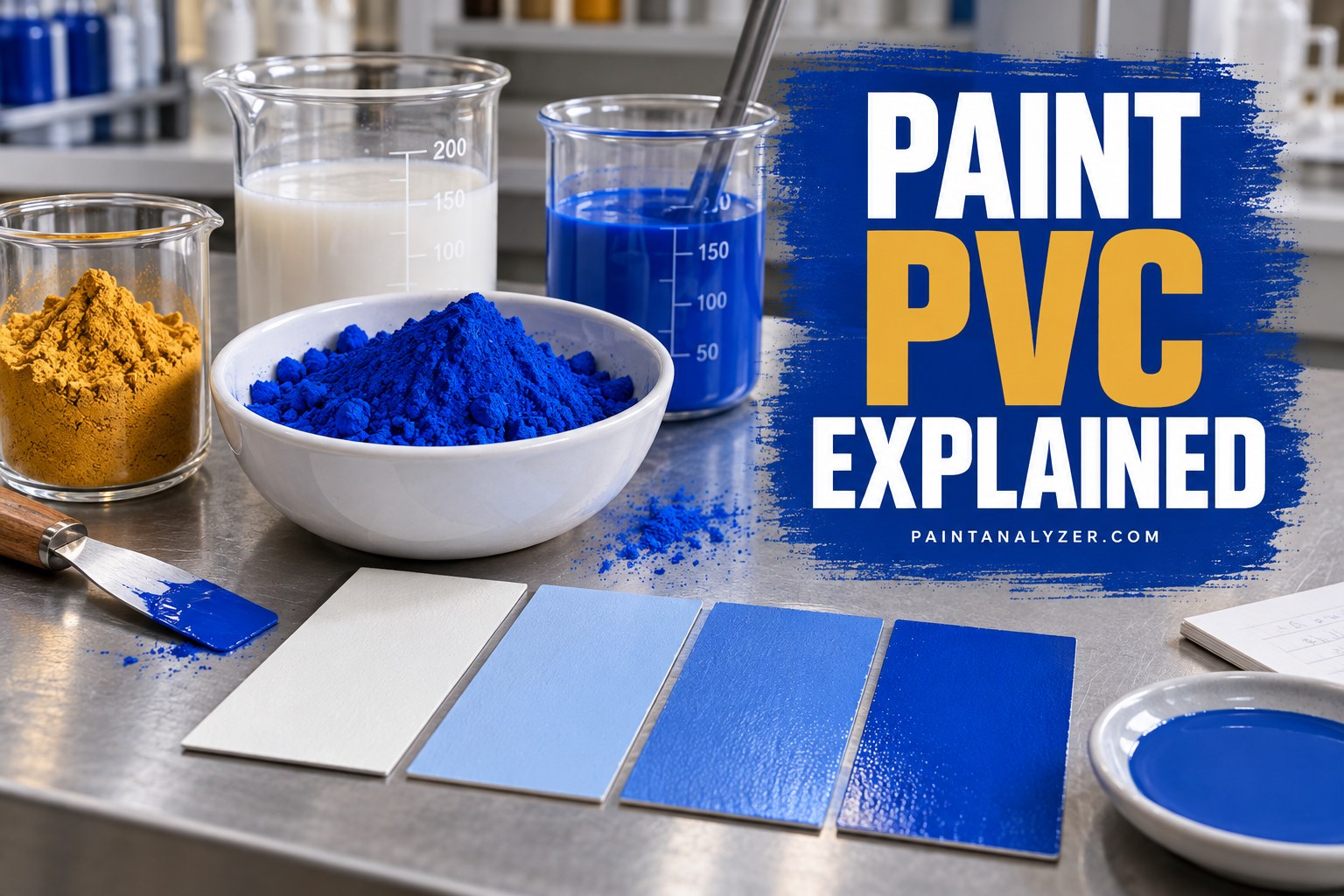
What Is Pigment Volume Concentration (PVC) in Paint?
PVC is the ratio of pigment to binder in a paint's dried film — it drives sheen, hiding power, and durability more directly than most people realize.
Paint and equipment buying guides and brand comparisons.
PVC is the ratio of pigment to binder in a paint's dried film — it drives sheen, hiding power, and durability more directly than most people realize.
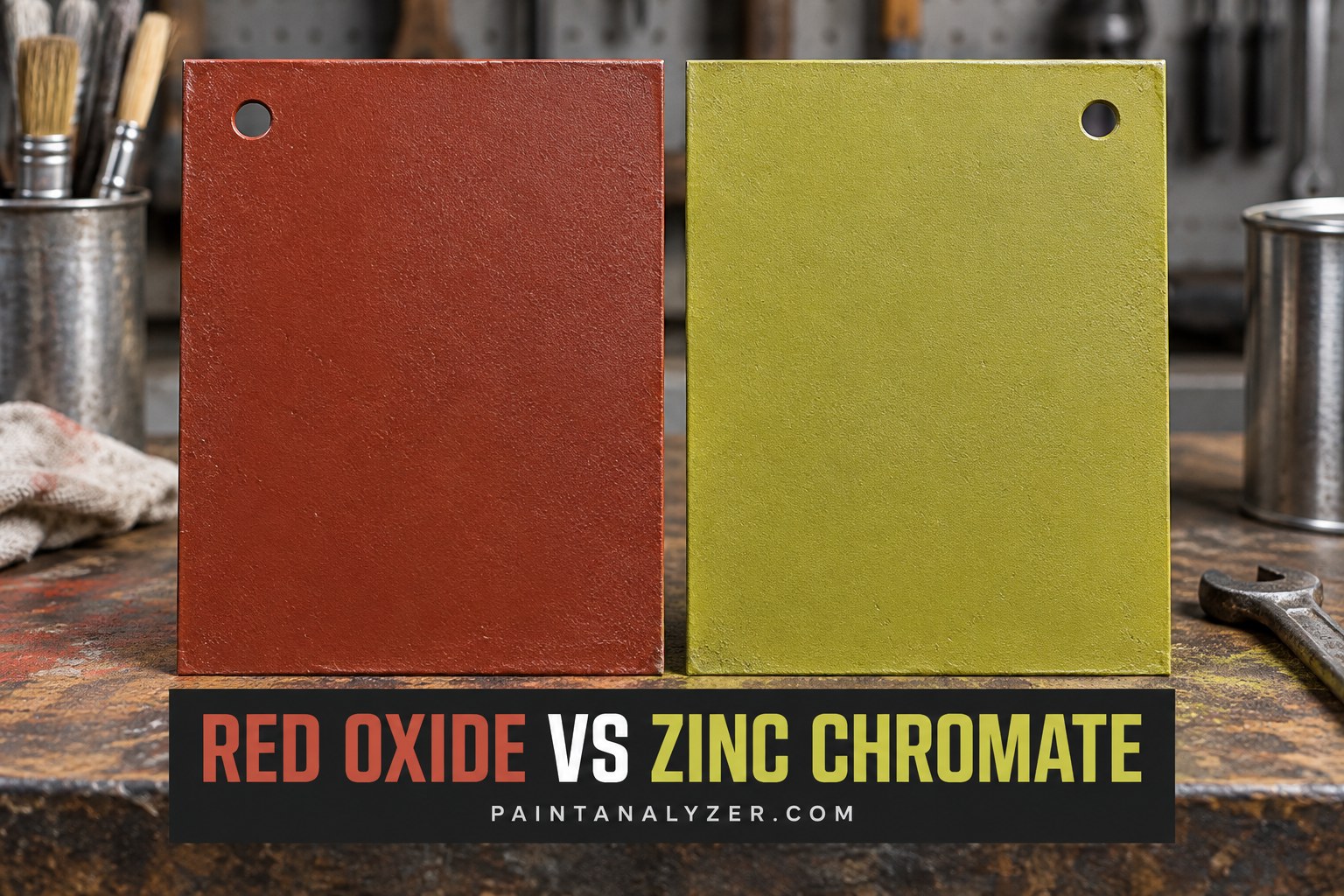
Zinc chromate primer contains hexavalent chromium, a recognized carcinogen — it has been phased out or heavily restricted in many consumer and commercial contexts, which matters more than any performance comparison.
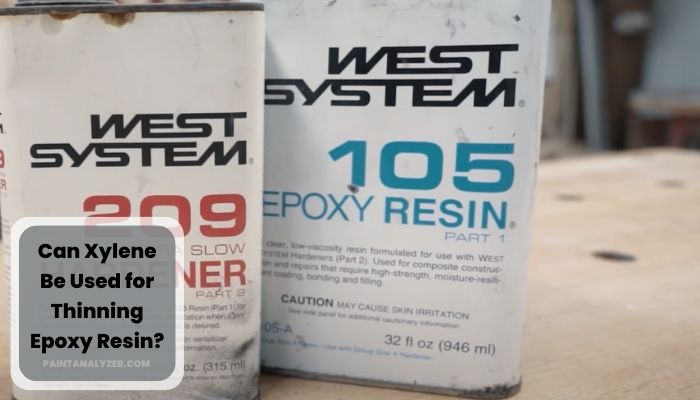
Xylene can thin epoxy resin in some situations, but it affects the resin's curing chemistry and final properties, making it a less reliable choice than a thinner specifically formulated for the epoxy system.
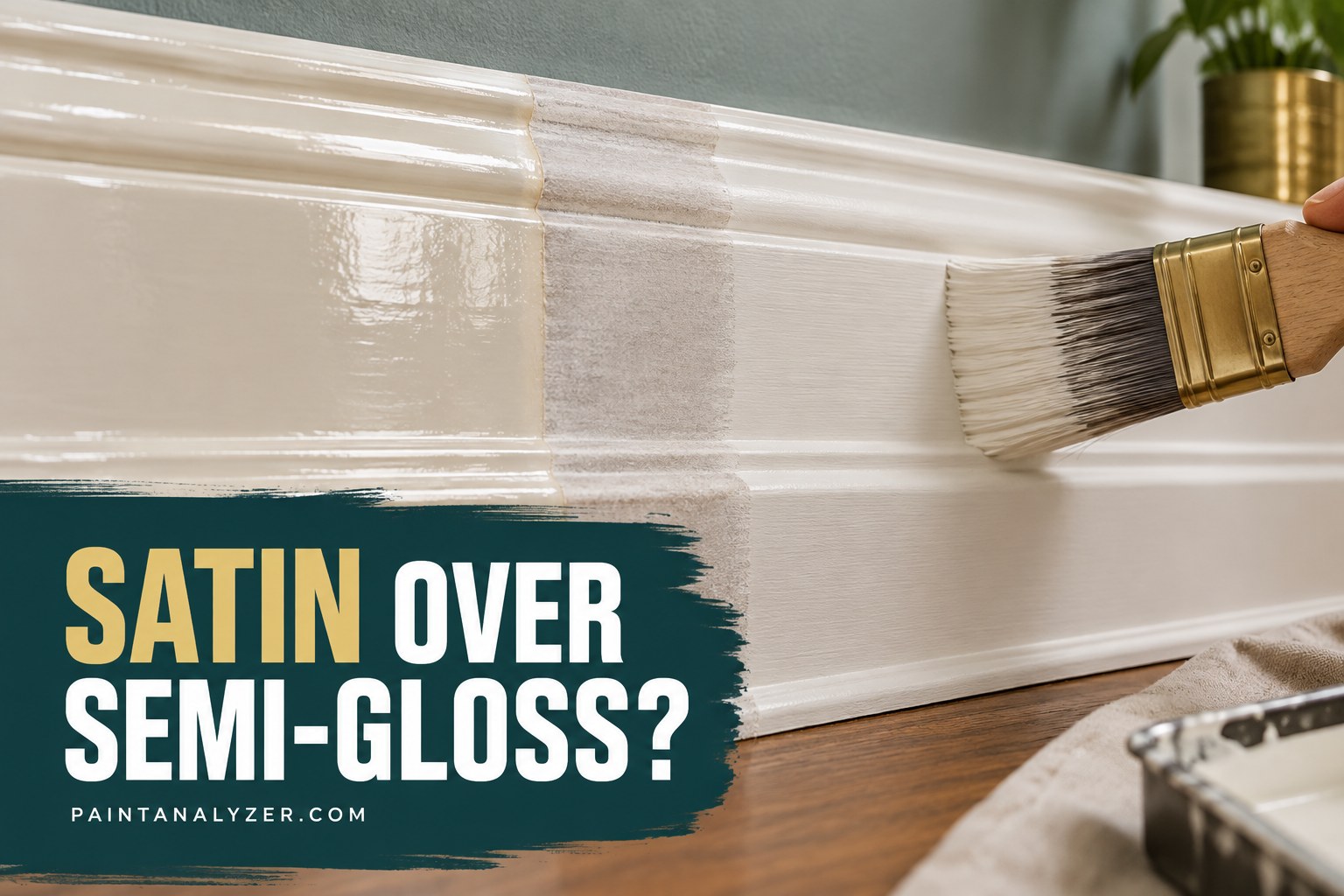
Going from a higher sheen down to satin needs the same deglossing prep as any sheen-reversal — the direction of the change is what determines the extra step, not the specific sheens involved.
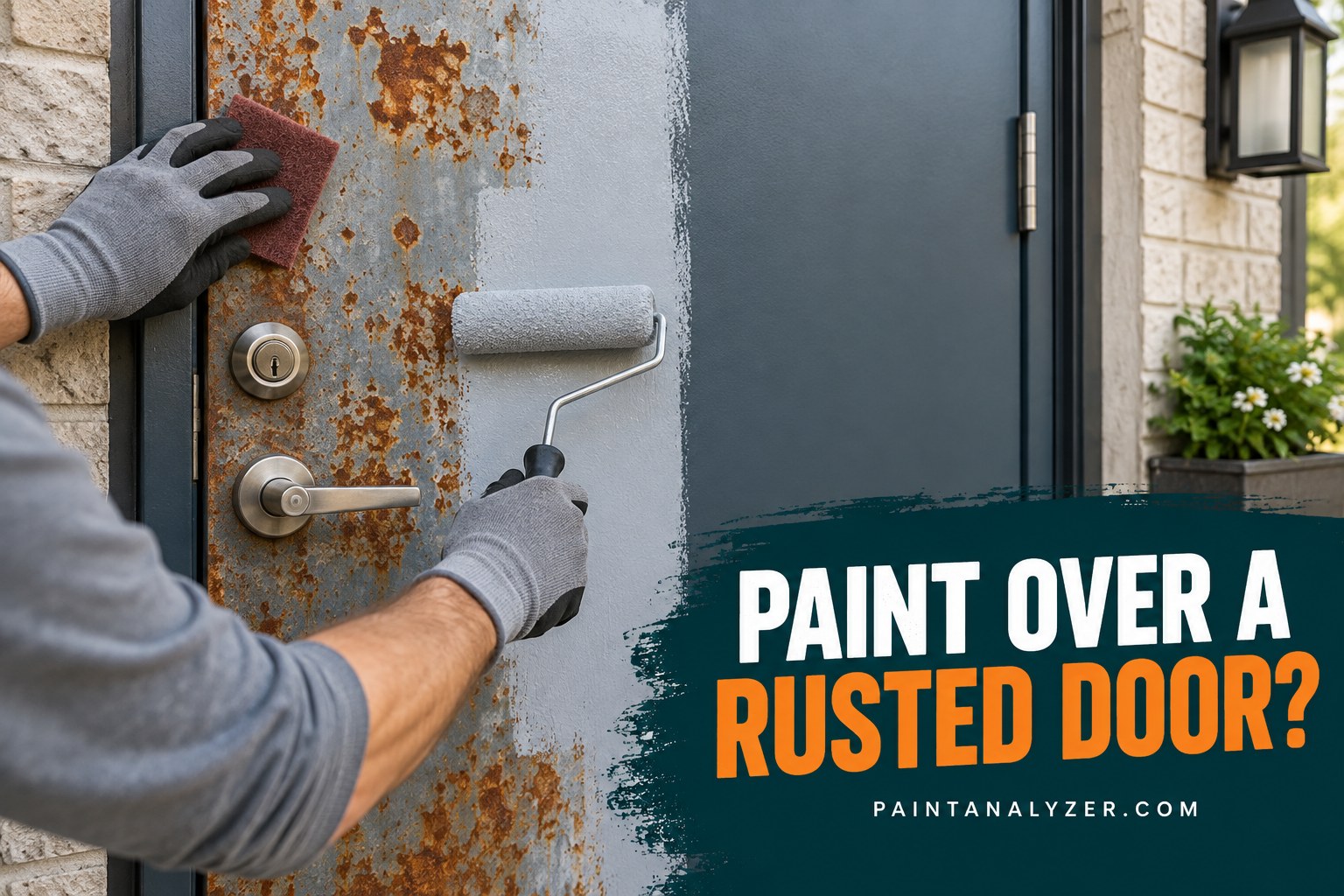
Painting straight over active rust traps moisture and lets it keep spreading under the new coat — the rust has to be treated first, not just covered.
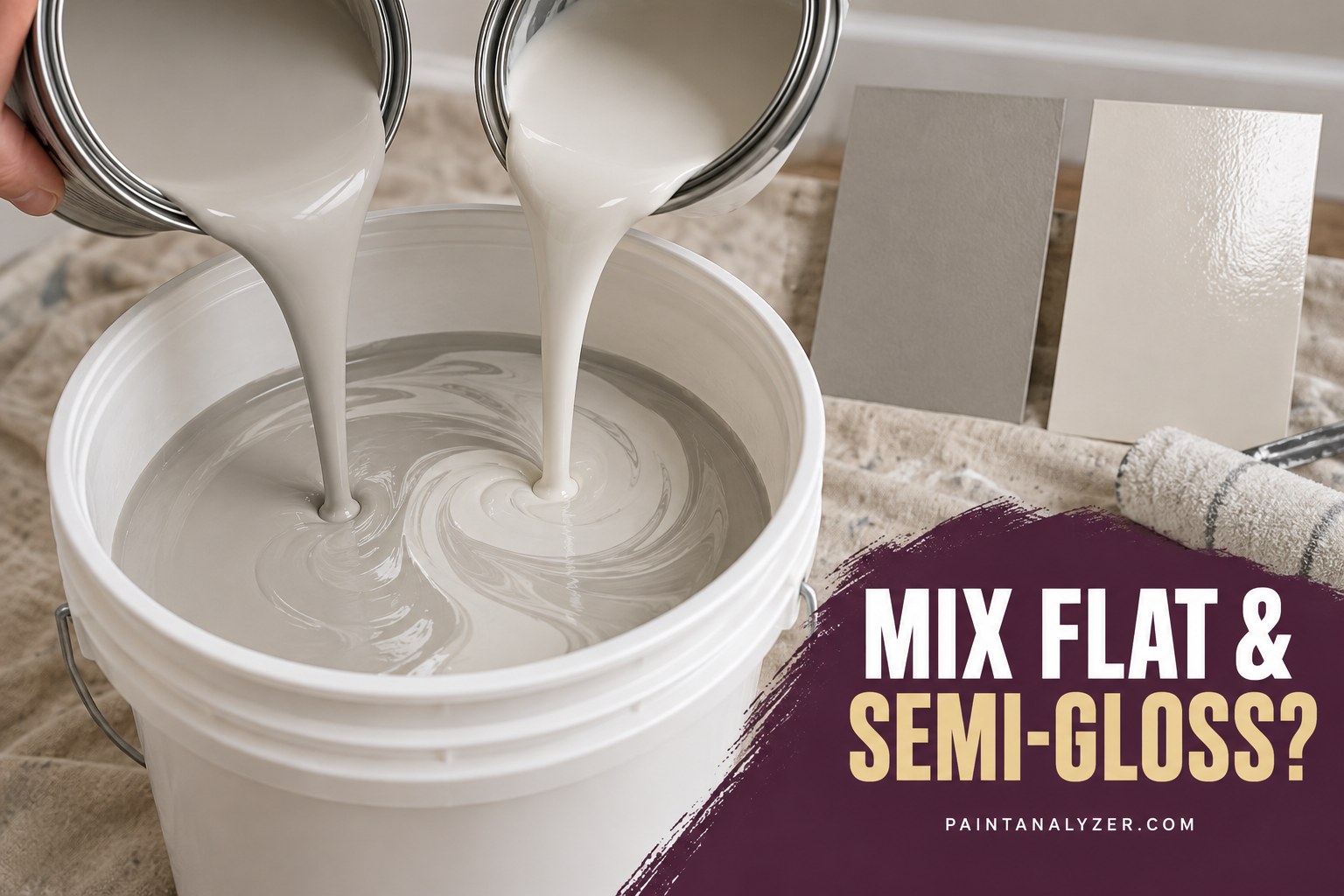
You can sometimes mix compatible flat and semi-gloss paints, but the result is a custom sheen—not a guaranteed satin. Match the paint system, measure the ratio, test it dry, and mix the full job at once.
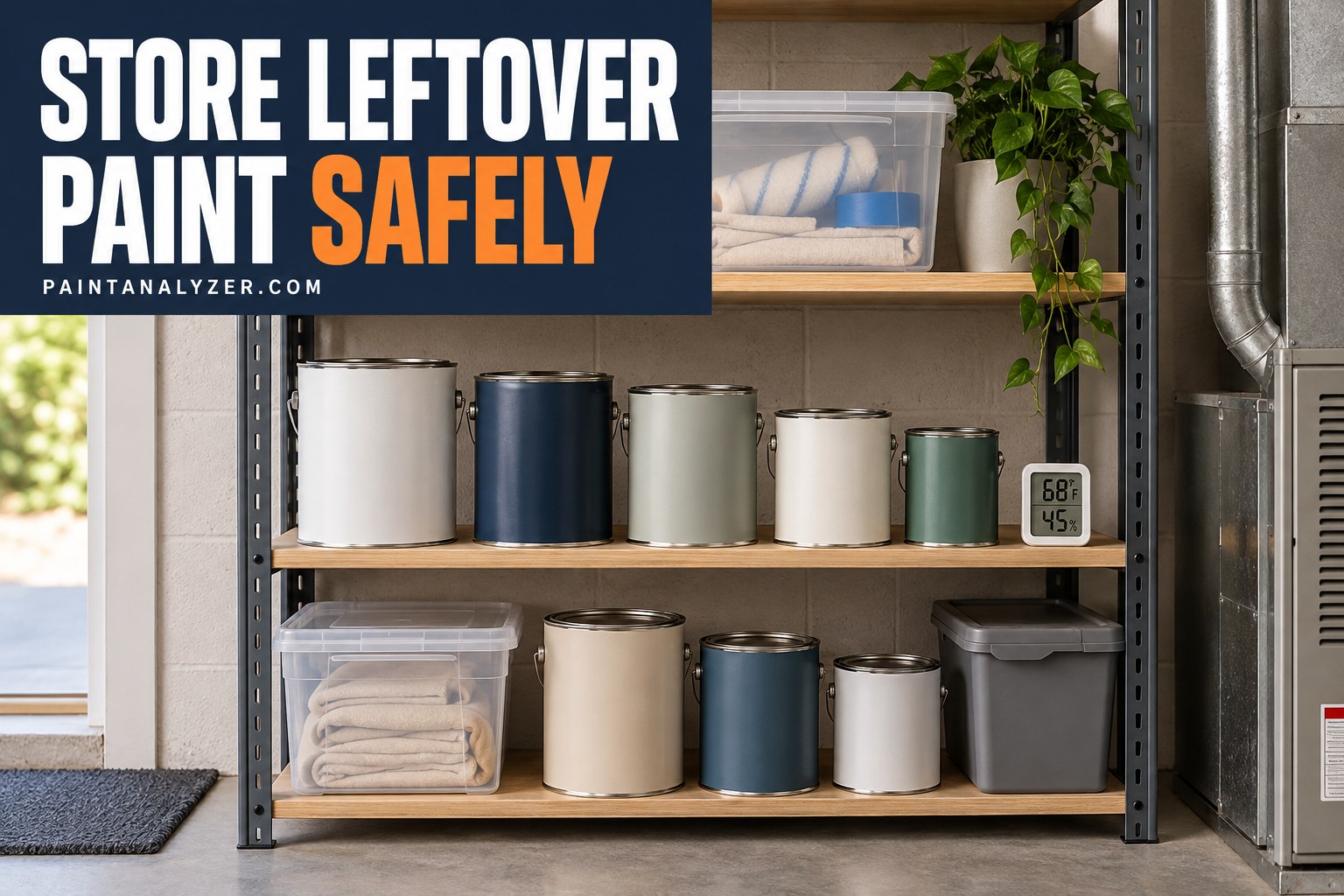
A cool, dry, temperature-stable location and a properly sealed can are what actually extend paint's usable shelf life — a garage that swings from freezing to hot is one of the worst places to store it.
Bitumen's flexible, oily surface needs a specific isolation membrane or specialty primer before standard self-leveling compound will bond reliably on top of it.
Yes — Rust-Oleum makes several product lines genuinely formulated for wood, not just their well-known metal/rust-focused products, so checking the specific product line matters more than the brand name alone.
The tradition has practical roots — white clothing hides paint stains (particularly white paint) far less noticeably than colored clothing, and originally signaled a painter's professional cleanliness to clients.
Staining preserves the wood's natural grain and character with generally less demanding prep, while paint offers unlimited color options and can update a dated cabinet style more completely.
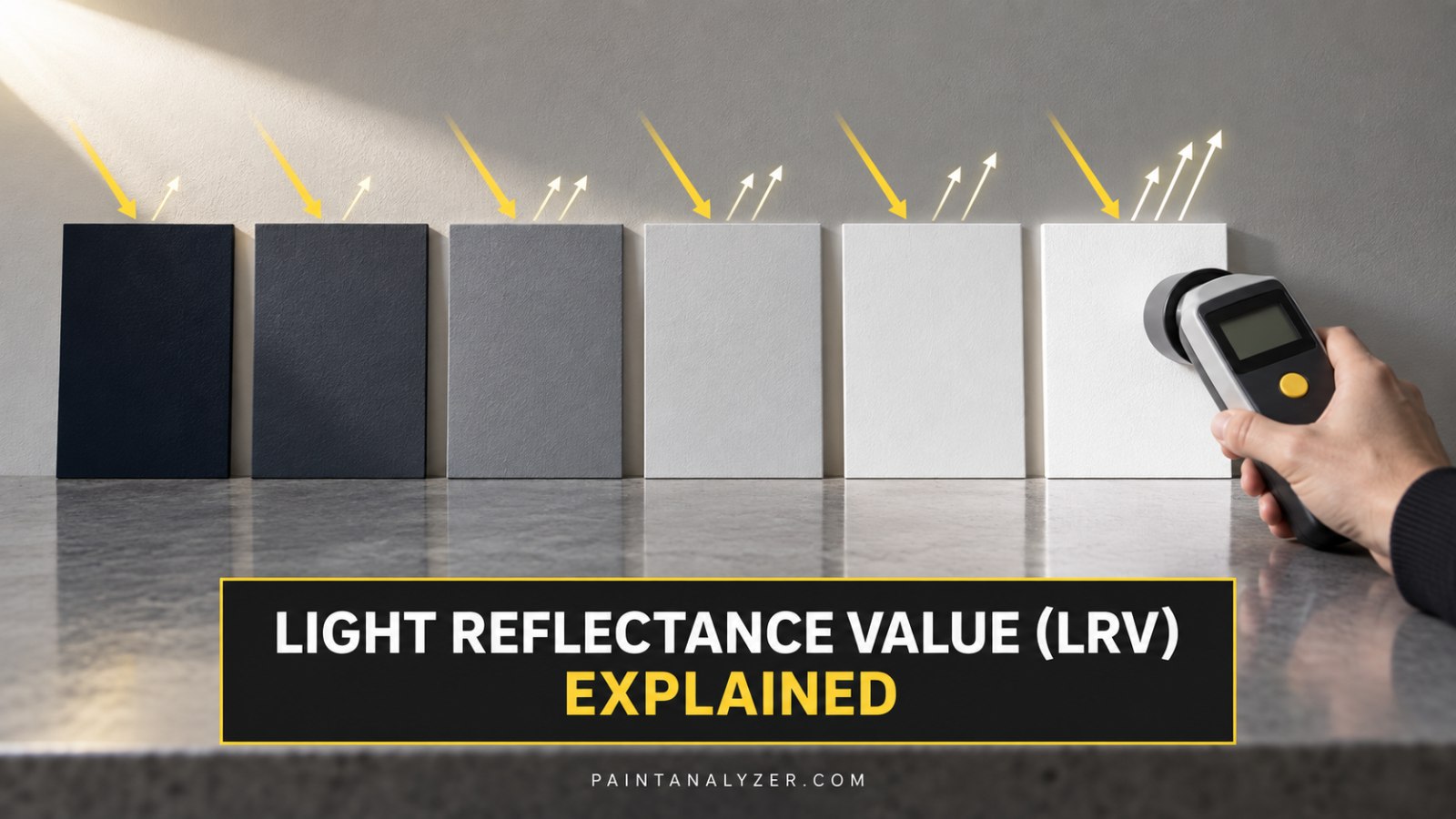
A single number, from 0 to 100, describing how much light a paint color reflects versus absorbs — genuinely useful for predicting how a color will actually read in a room, and a real technical constraint on some materials, like PVC trim.