Tested guides for paint, color, and repaint projects
Paint Analyzer

Buying Guides — Page 6

Paint and equipment buying guides and brand comparisons.

Buying Guides

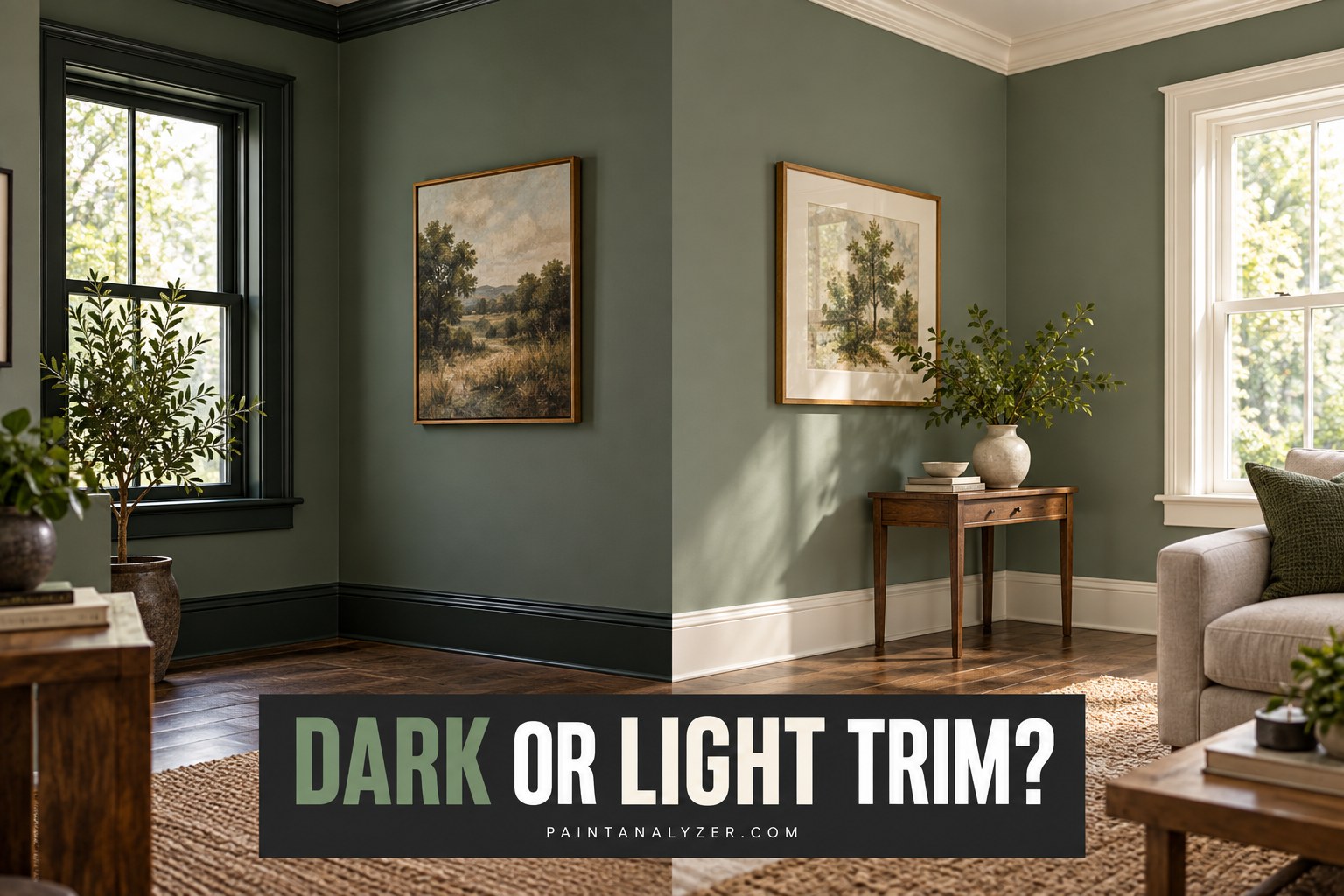
Should Trim Be Darker or Lighter Than the Wall?

The traditional default (lighter or white trim against a wall color) remains the safer, more broadly flattering choice — darker trim is a real, striking design option, but it's a bolder choice with different room-proportion effects.

Buying Guides

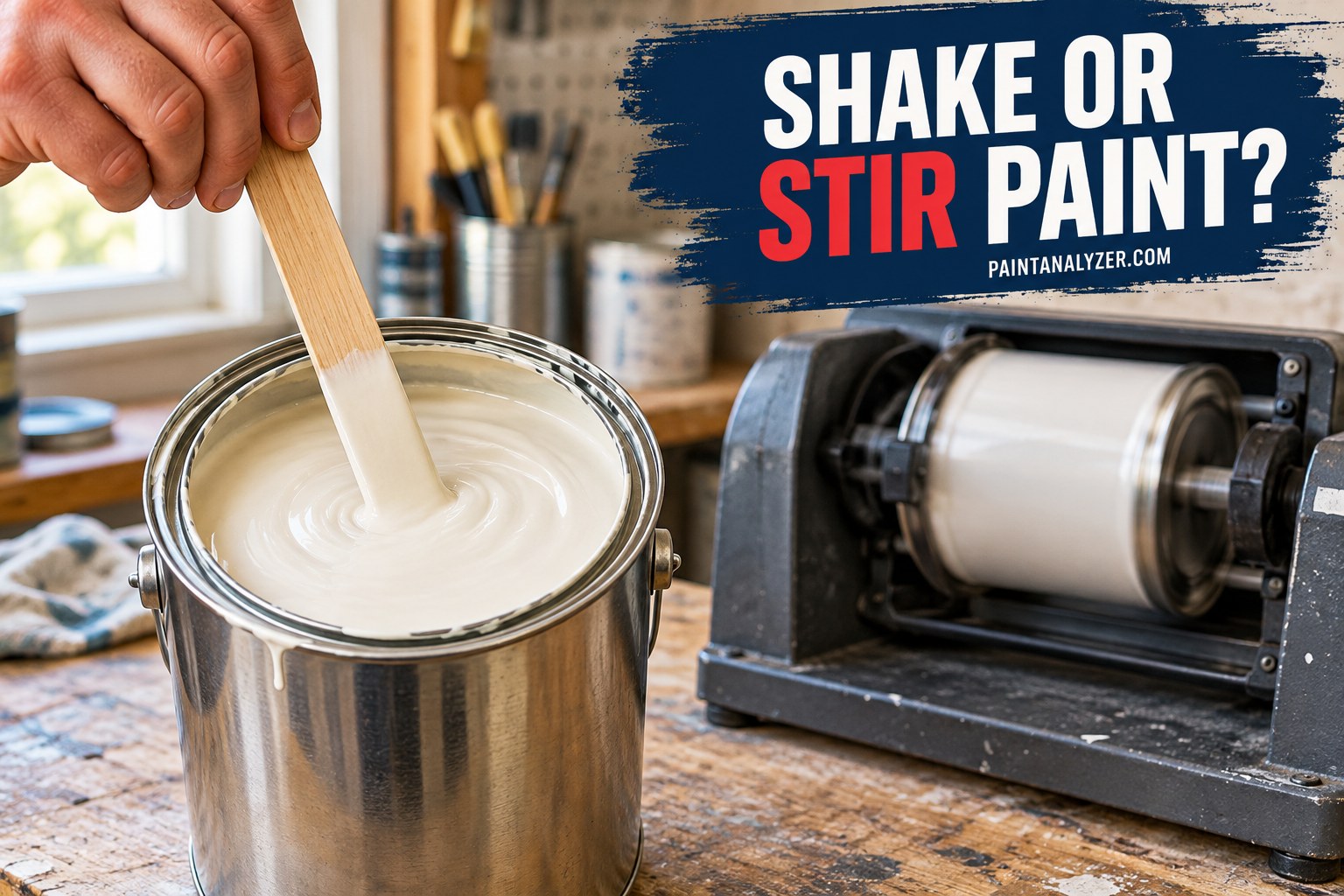
Should You Shake or Stir Paint?

Stirring is the standard method for most paint — shaking can introduce air bubbles into thicker paint, though it's the only practical option for a sealed can that hasn't been opened yet, like at a paint store's mixing machine.

Buying Guides

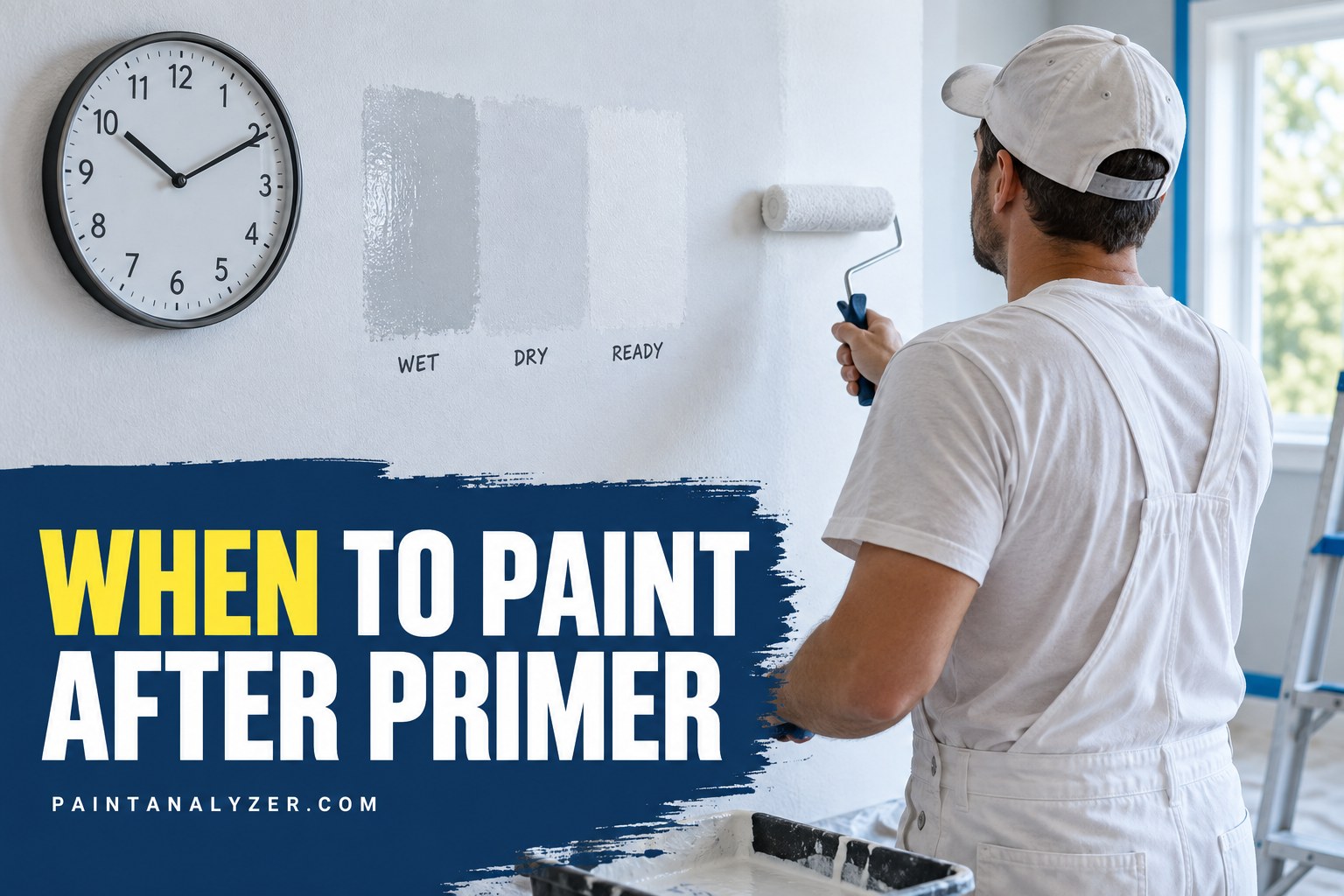
How Long Can You Wait to Paint After Priming?

Every primer has both a minimum recoat time and a maximum window before it should be repainted — waiting too long lets dust and UV exposure compromise the surface just as much as painting too soon does.

Buying Guides

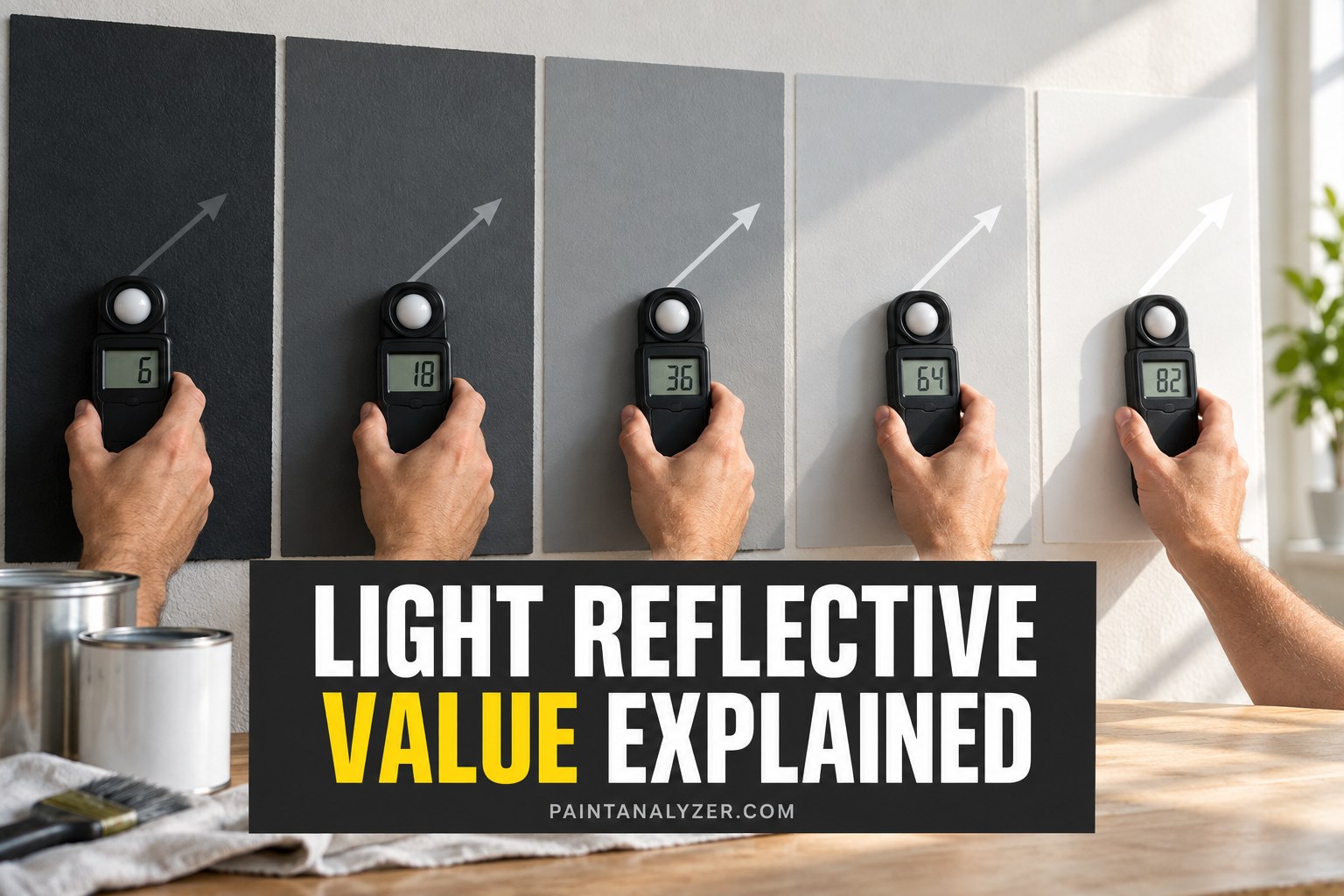
What Is Light Reflective Value (LRV) in Paint?

LRV measures how much light a paint color reflects versus absorbs, on a scale from 0 to 100 — a genuinely useful number for predicting how a color will actually feel in a room.

Buying Guides

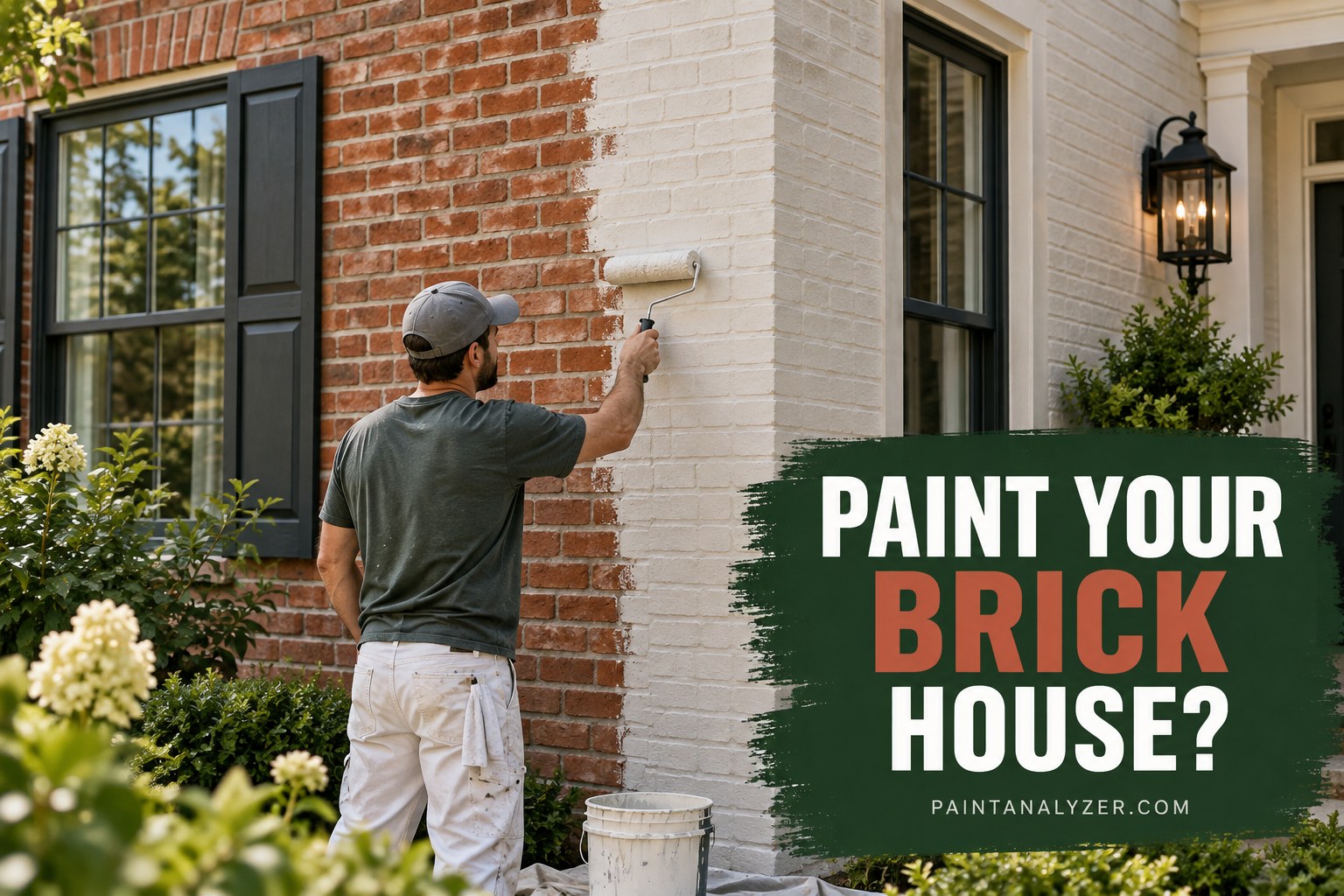
Should You Paint Your Brick House?

It's a real, largely irreversible commitment — painted brick needs ongoing maintenance forever after, and brick's natural ability to breathe and manage moisture changes once it's sealed under paint.

Buying Guides

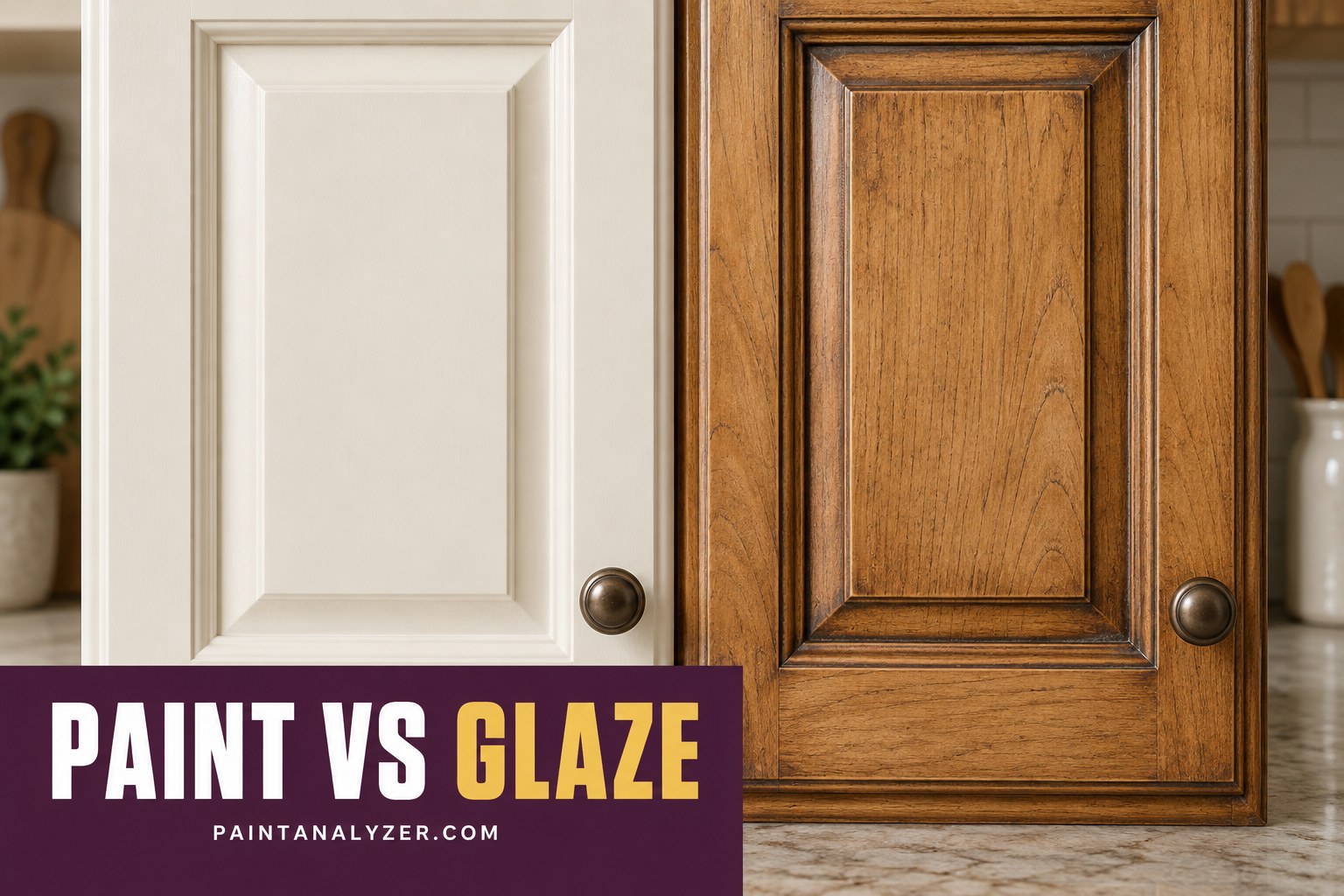
What's the Difference Between Paint and Glaze?

Paint is opaque and covers what's beneath it; glaze is translucent and is applied specifically to be manipulated — wiped, dragged, or textured — to reveal some of the layer underneath through it.

Buying Guides

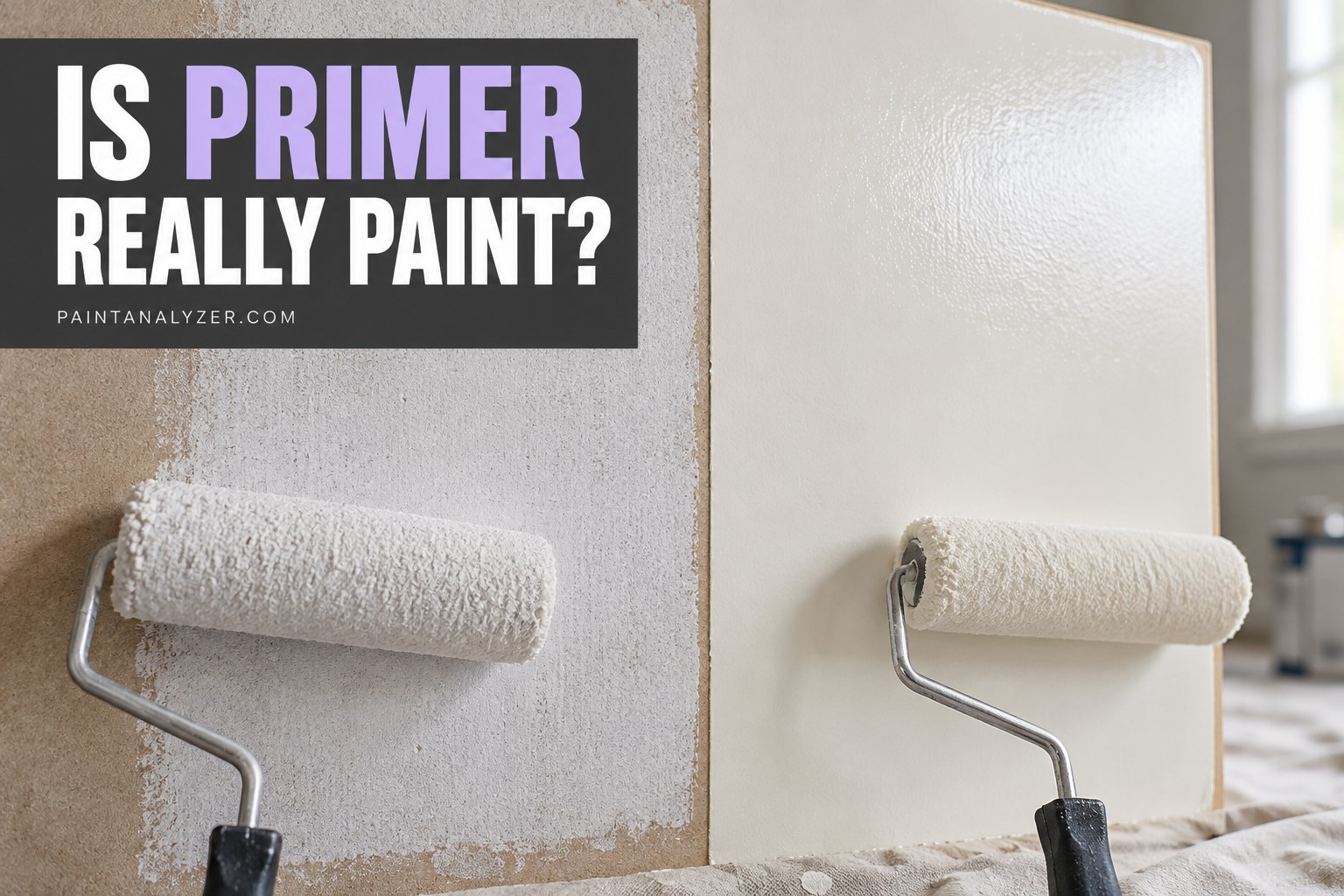
Is Primer a Paint?

Chemically related, but functionally distinct — primer is engineered to seal, bond, and block, while paint is engineered to provide durable, lasting color and finish; each does its own job better than a combined product does both.

Buying Guides

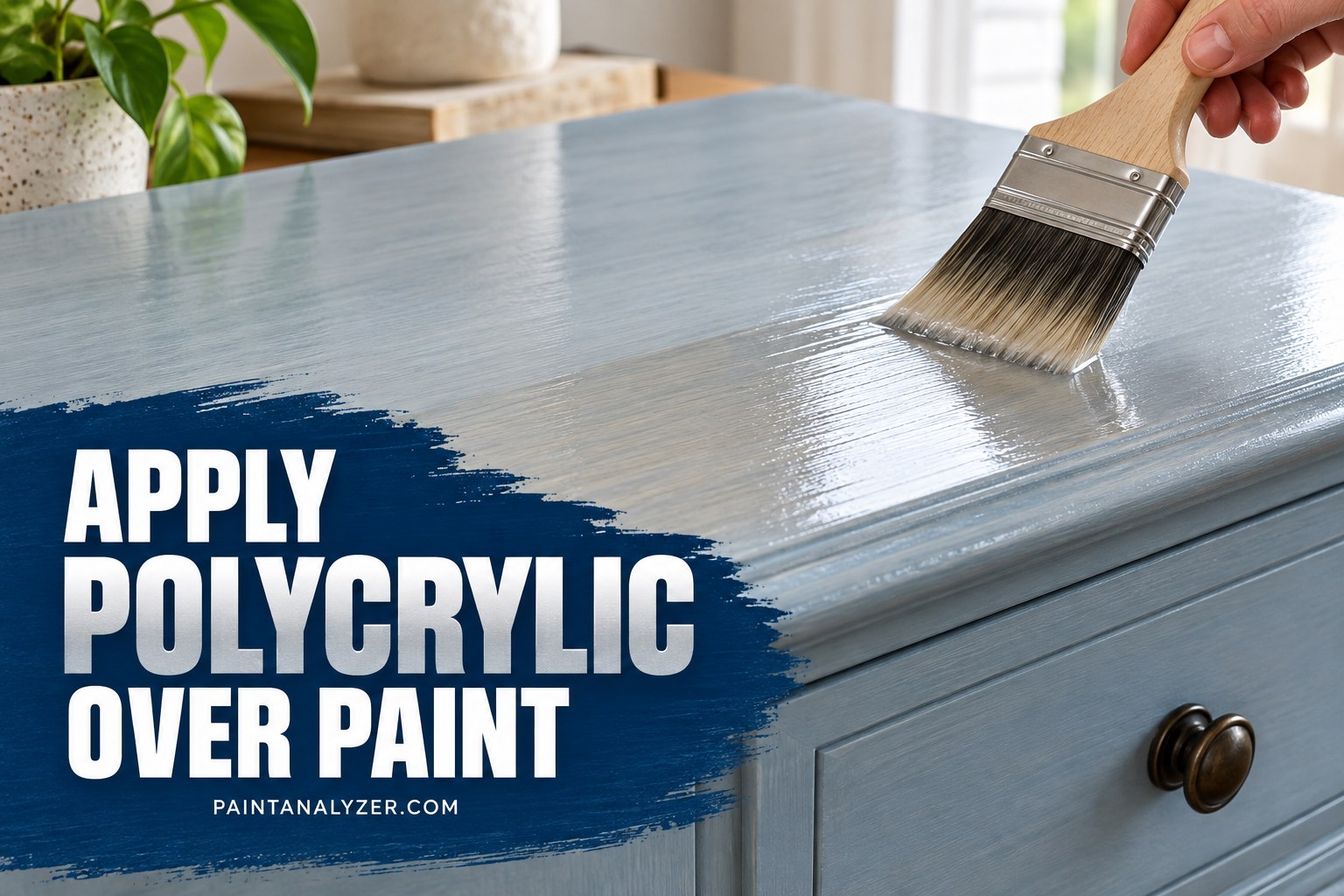
How to Apply Polycrylic Over Paint

Polycrylic adds real durability over painted furniture, but it needs proper application technique to avoid streaking, bubbling, or an unwanted amber tint on light-colored paint.