Sealing a Travertine Tile Floor: The Pros and Cons
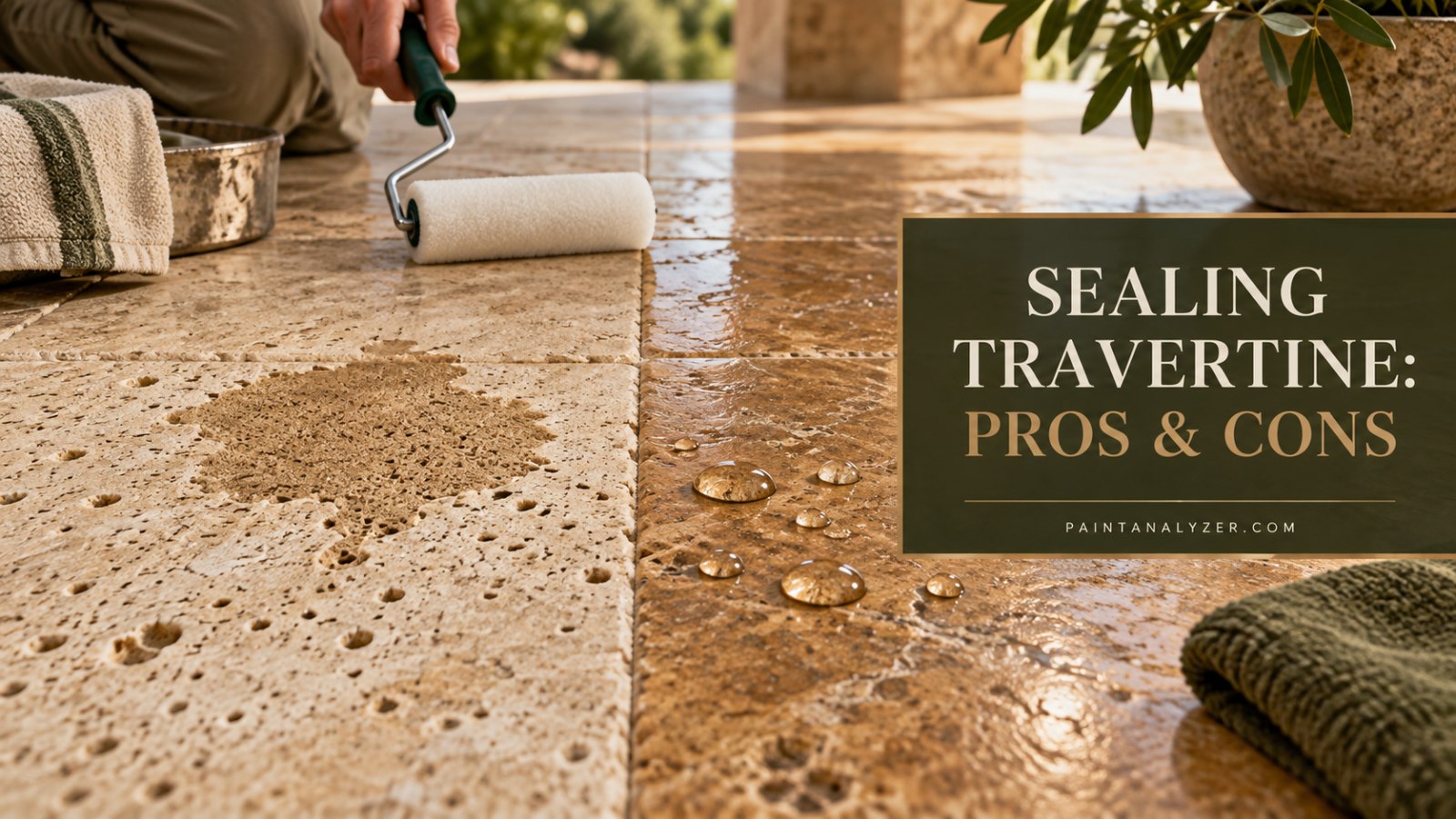
Travertine's naturally porous surface generally benefits from sealing against stains and moisture, though the trade-offs around maintenance and appearance are worth weighing first.
Paint and equipment buying guides and brand comparisons.
Travertine's naturally porous surface generally benefits from sealing against stains and moisture, though the trade-offs around maintenance and appearance are worth weighing first.
Mixing primer directly into paint is sometimes marketed as a shortcut, but it undermines what primer is actually for — here is when it is genuinely fine and when it defeats the purpose.
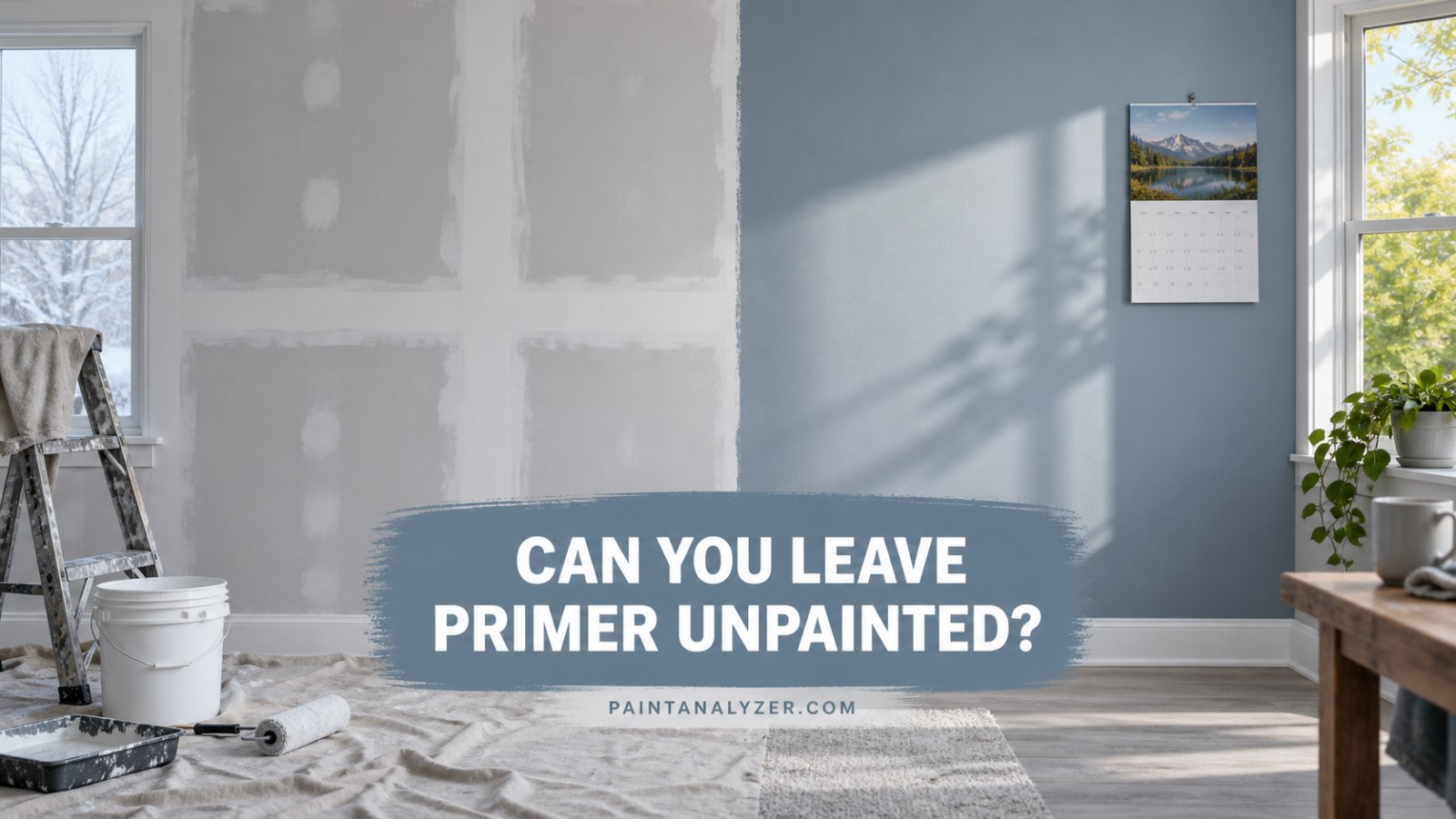
Technically it will hold for a while, but primer isn't formulated for UV resistance, washability, or long-term durability — leaving it as the final surface, especially outdoors, means it will fail well before a proper topcoat would.
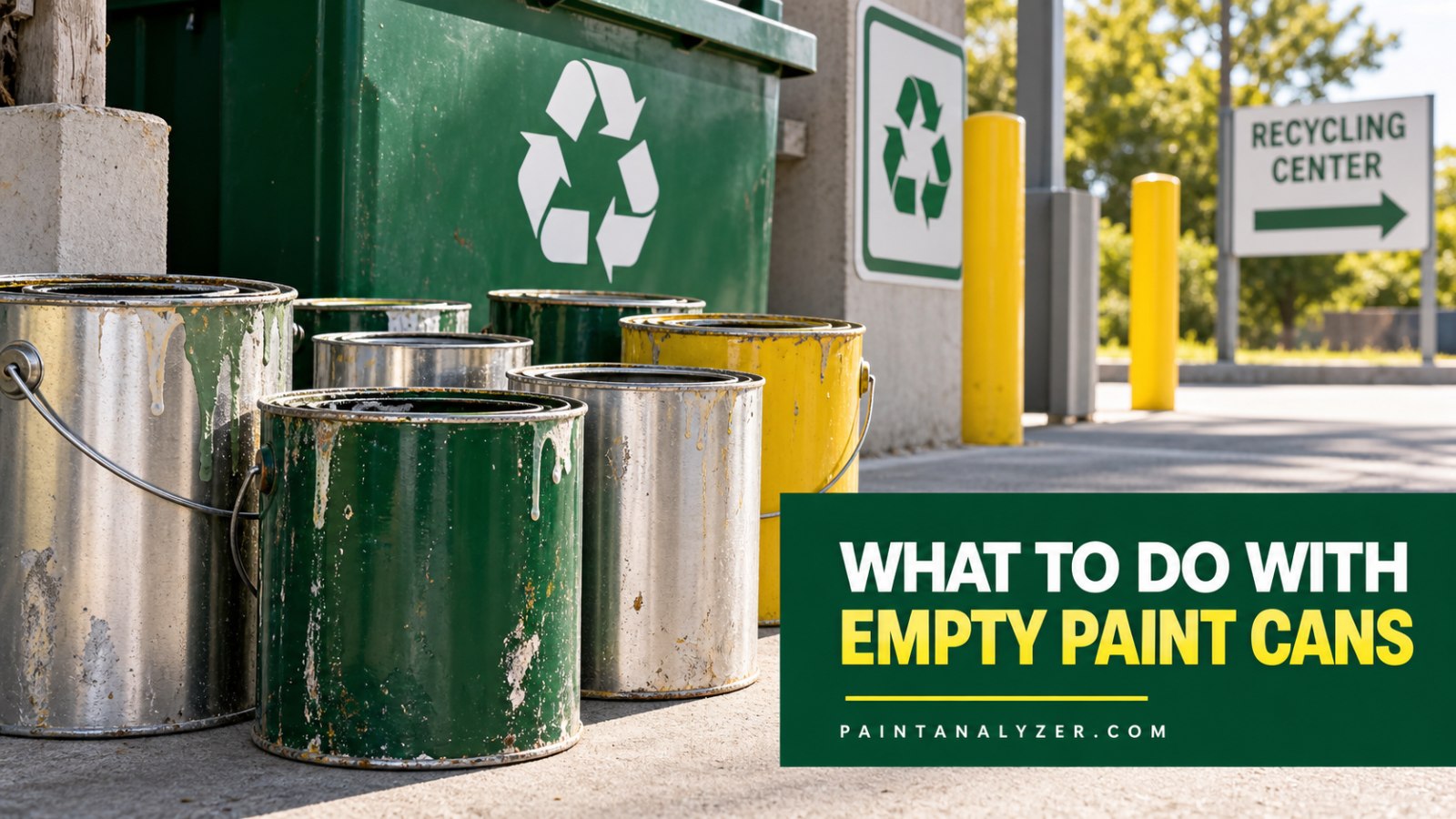
Whether an empty paint can can go in regular trash depends on local regulations and whether the can is genuinely dry — checking your specific municipality's rules avoids an improper disposal fine.
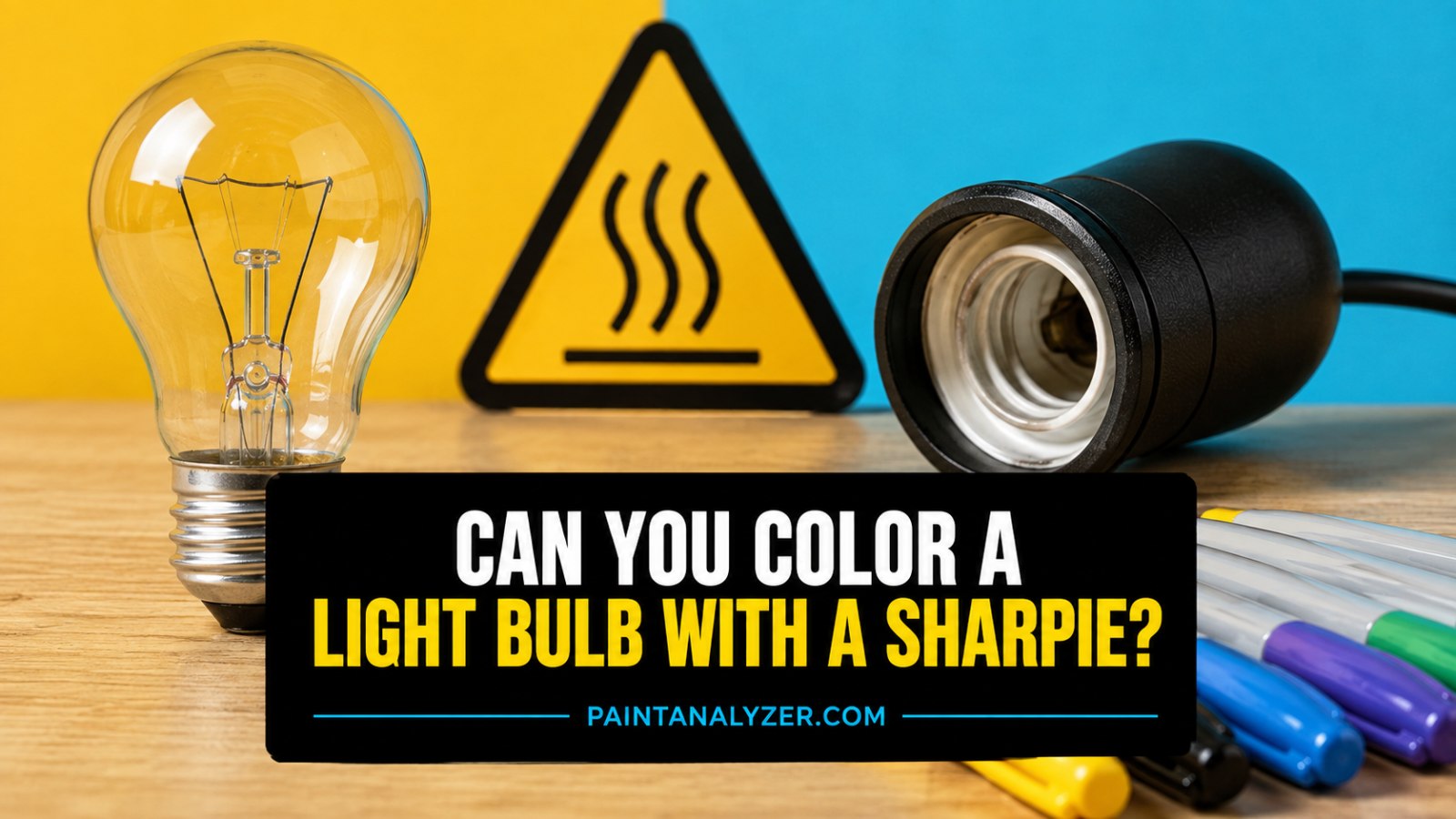
A standard incandescent bulb generates real heat during use, and coating it with a permanent marker or paint not rated for that heat creates a genuine fire risk that isn't worth the decorative effect.
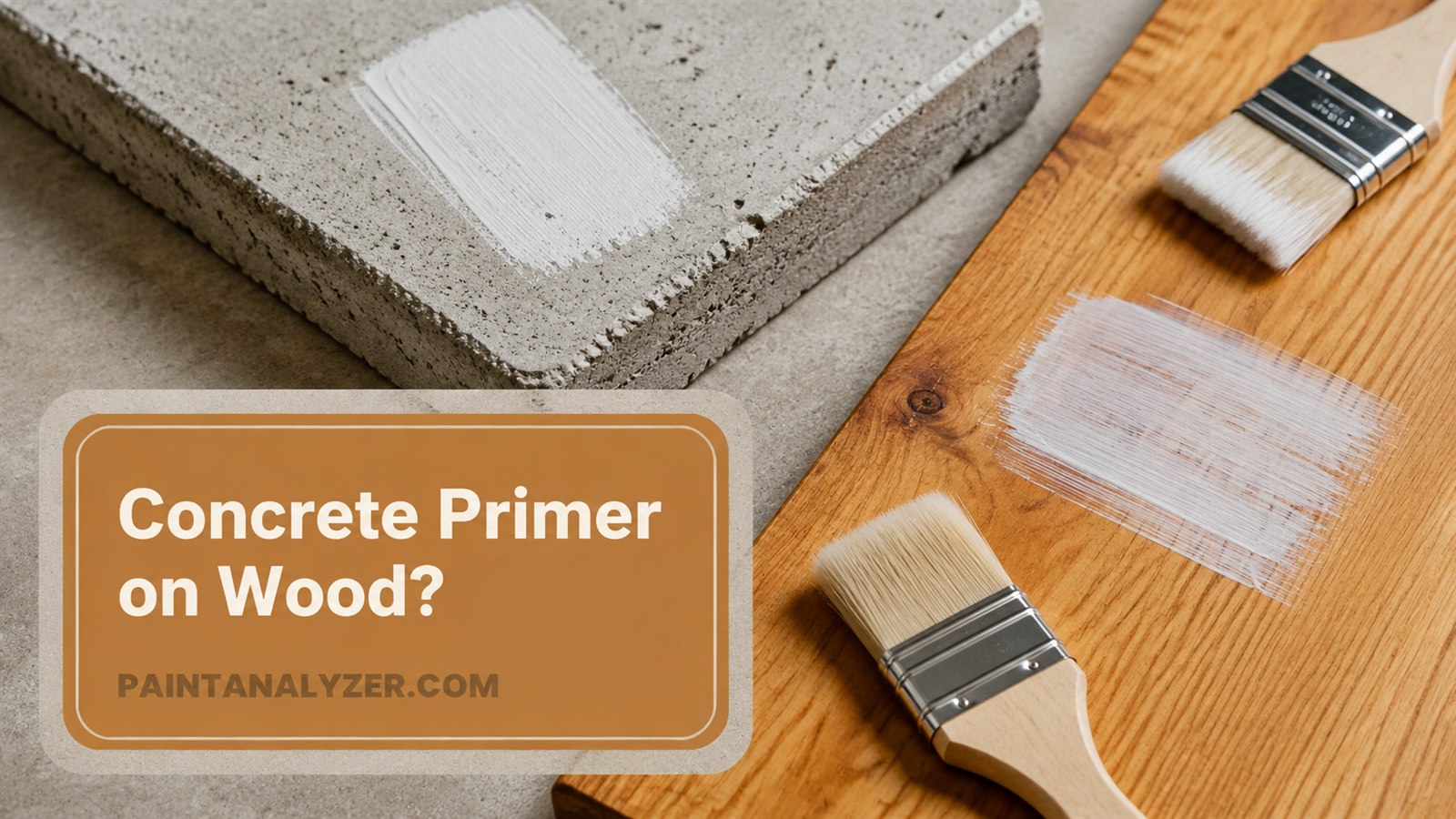
Generally not recommended — concrete primer is formulated for masonry's alkalinity and porosity, not wood's, and using a wood-appropriate primer instead avoids a real mismatch in what each product is actually built to address.
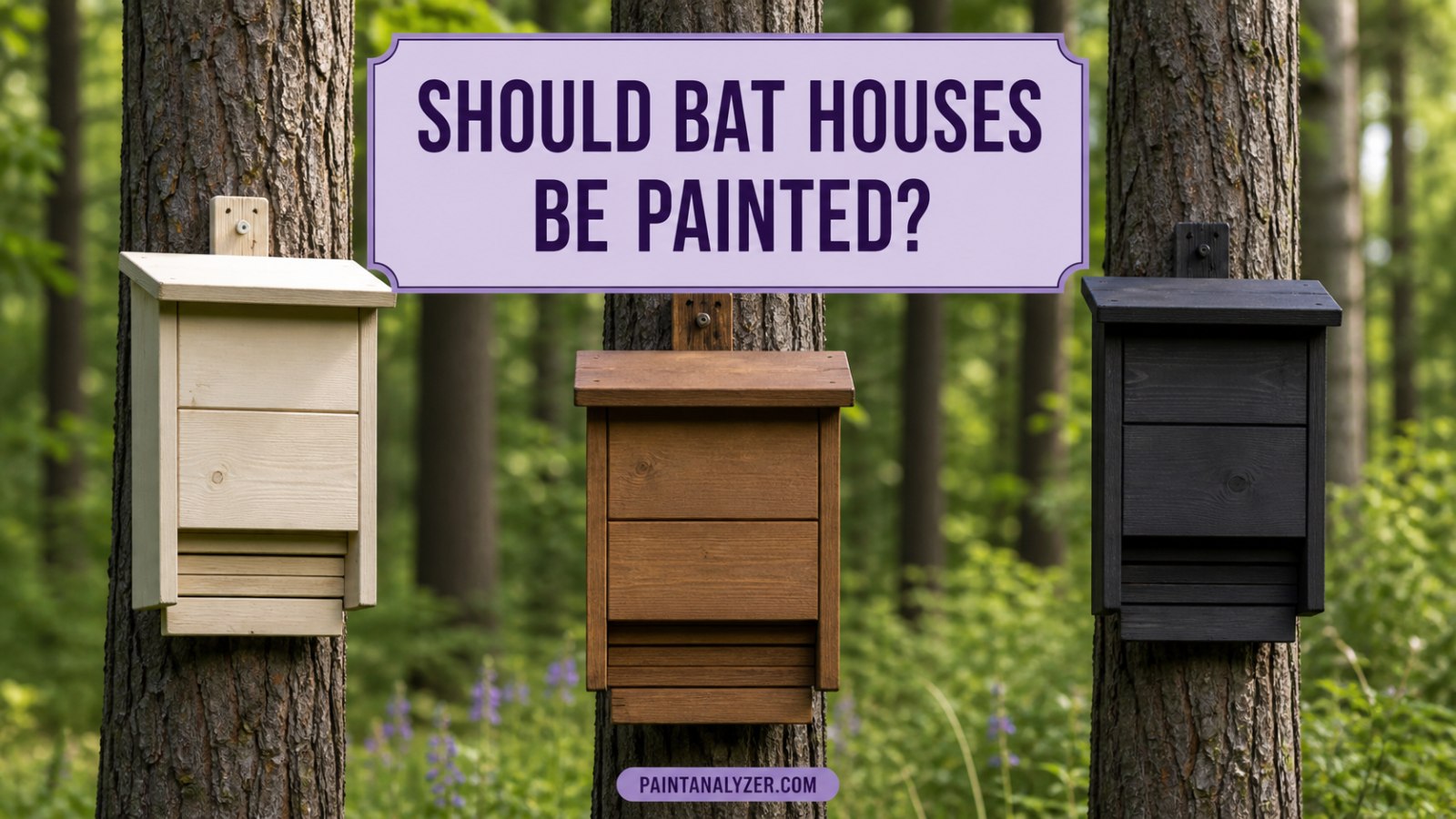
Painting a bat house dark helps it retain the heat bats need for roosting, but the right color depends on your specific climate — a genuinely hot region calls for a lighter shade instead.
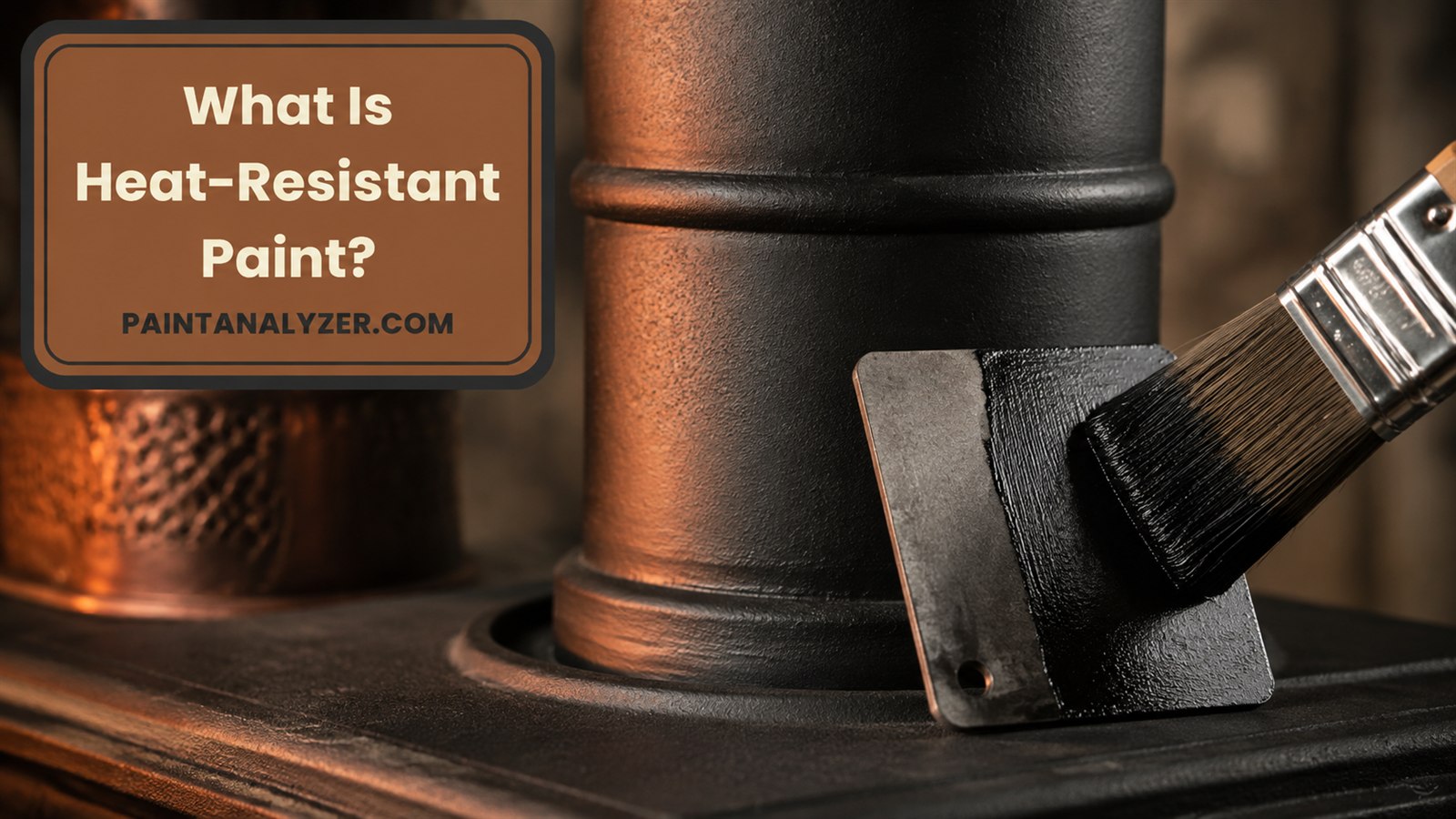
Standard paint softens, discolors, or off-gasses at temperatures ordinary surfaces never reach — heat-resistant paint uses a different binder chemistry (often silicone-based) specifically engineered to stay stable well beyond that range.
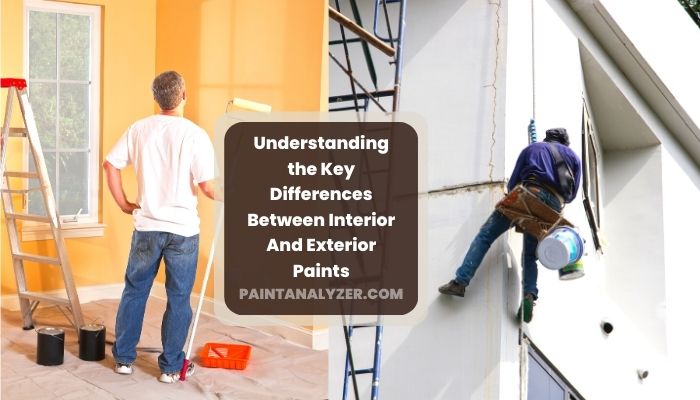
Exterior paint is formulated to flex with weather and resist UV and moisture, while interior paint prioritizes washability and lower odor — using either one in the other's environment leads to real performance problems.
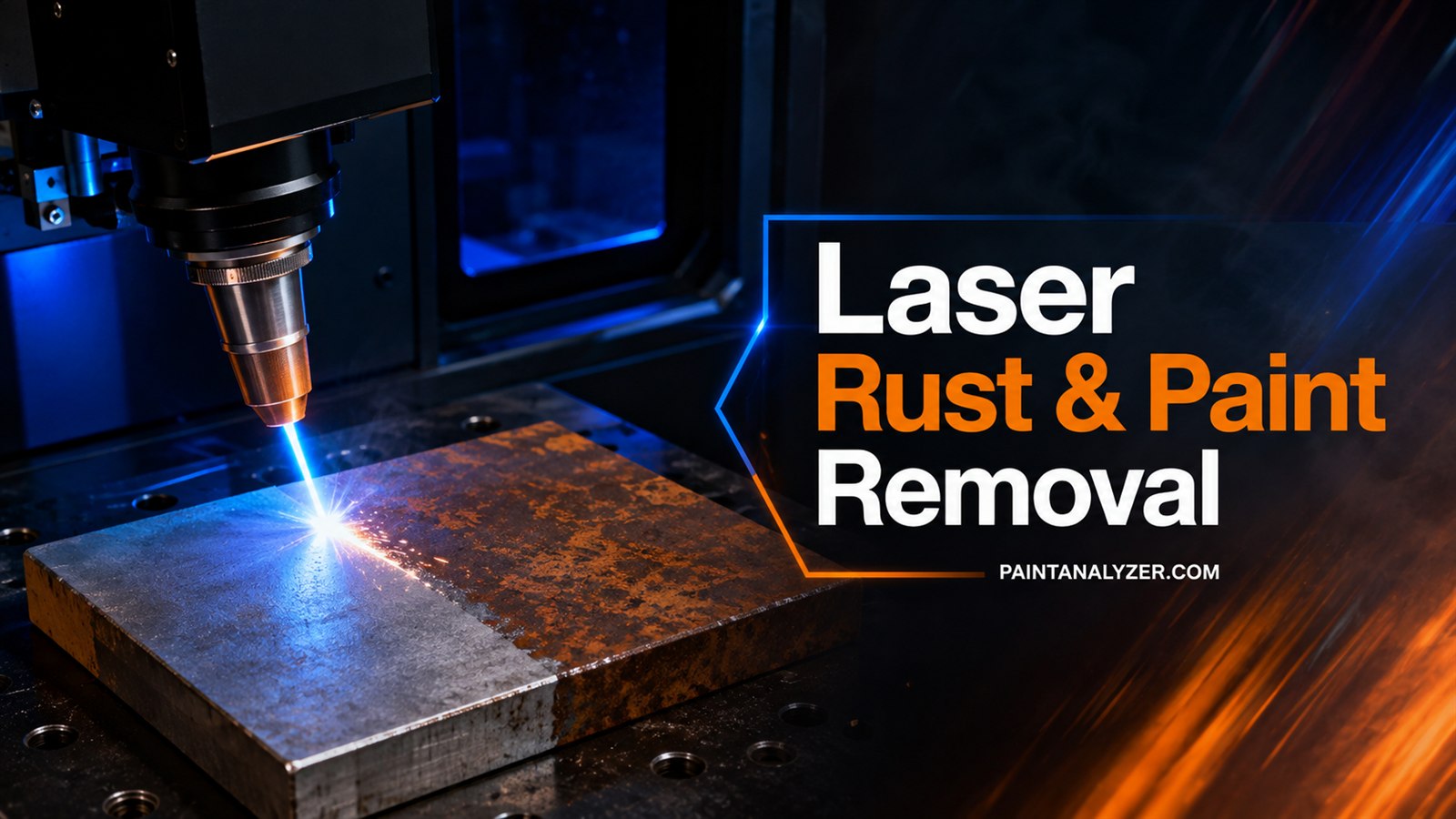
Laser cleaning is a genuine, increasingly available professional technology for removing rust and paint without chemicals or abrasion, though it remains a specialized, professional-grade option rather than a typical DIY tool.
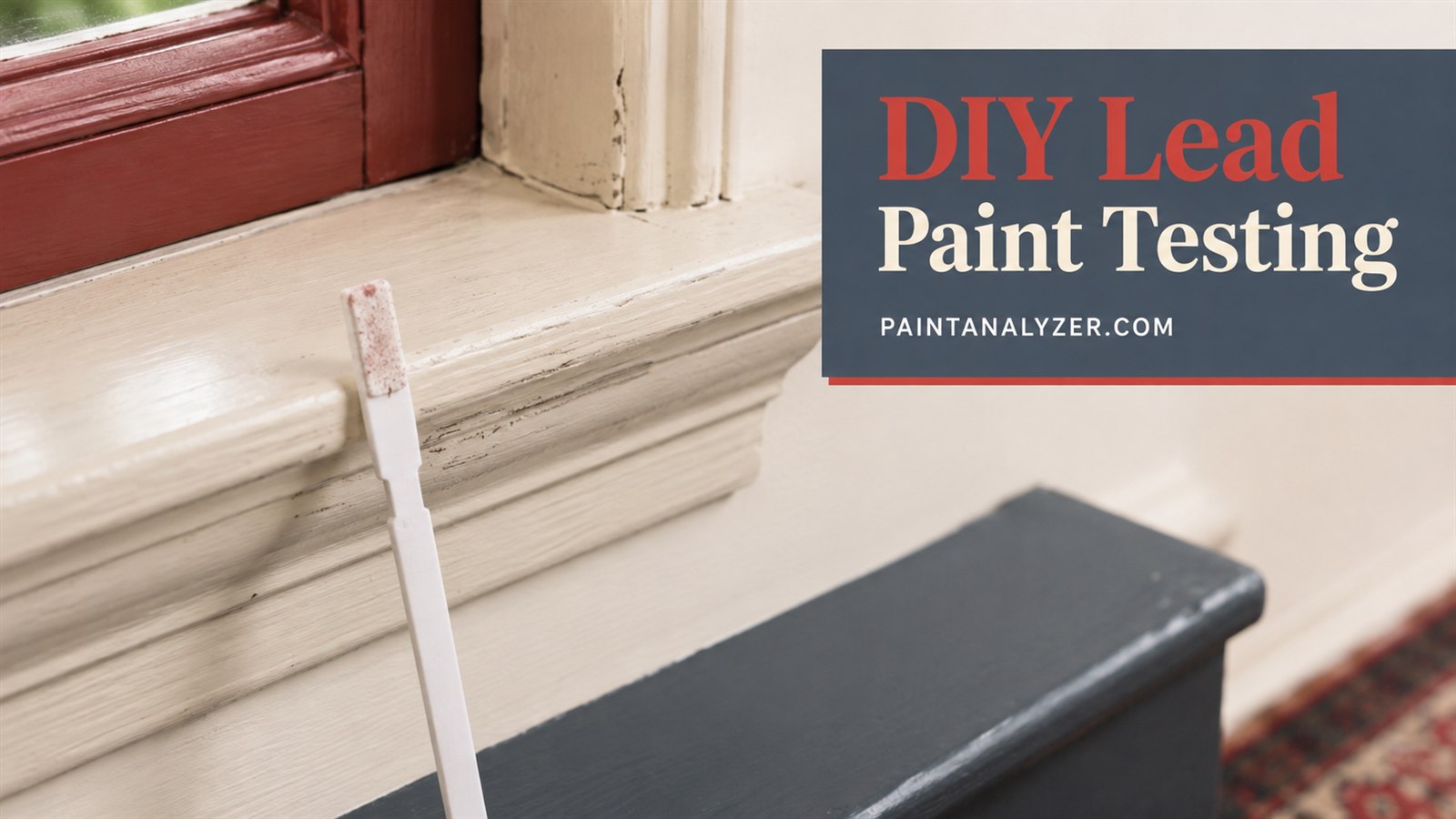
For pre-1978 paint, a consumer kit can be a screening tool, but EPA recommends a certified inspector or risk assessor for home lead testing. Treat positive or uncertain results as lead until resolved.
Radon-sealing paint can reduce minor seepage through porous concrete, but it's not a substitute for a proper radon mitigation system where testing shows an actual elevated radon problem.