
How Long Can You Wait to Paint After Priming?
Every primer has both a minimum recoat time and a maximum window before it should be repainted — waiting too long lets dust and UV exposure compromise the surface just as much as painting too soon does.
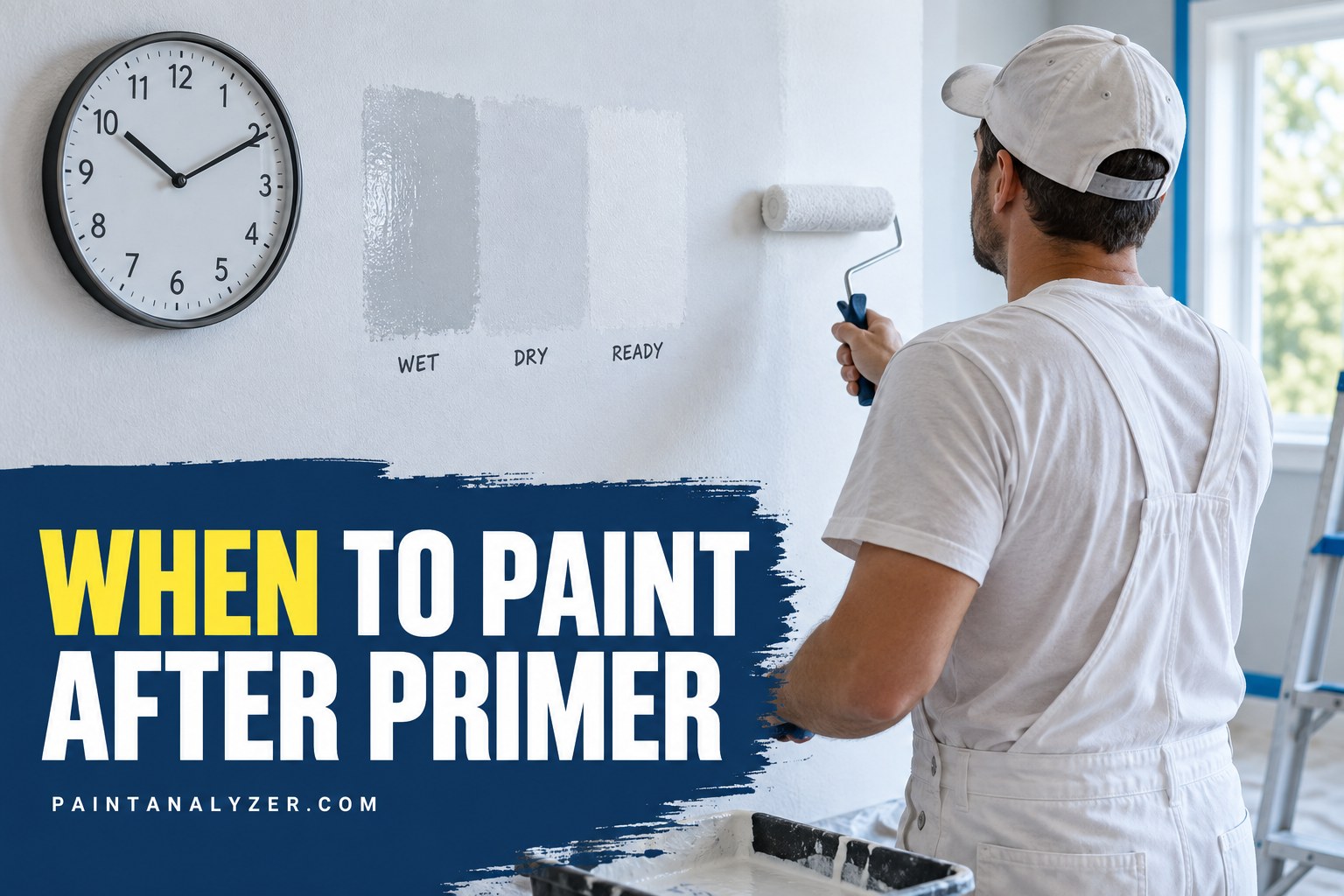
Most attention goes to primer's minimum recoat time (how soon topcoat CAN go on), but there's a less-discussed maximum window too — waiting too long after priming before applying the topcoat lets the primed surface accumulate dust, dirt, or UV exposure that can affect the final paint's adhesion and appearance, just as much as painting too soon does.
1. The general recommended window
Most primers: paint within 30 days for the best results, though this
varies by specific product — checking the label's specific guidance
matters more than assuming a universal number
This isn't an absolute hard limit for every product, but a general guideline reflecting how primer's surface gradually becomes less ideal for topcoat adhesion the longer it sits exposed, particularly to dust and, for anything outdoors or near a window, UV light.
2. What happens if primer sits too long before topcoat
As covered for leaving primer unpainted generally, an exterior-exposed primer left too long shows real UV degradation — chalking, fading — that can affect topcoat adhesion when finally painted. Even indoors, dust accumulation on a primed surface left exposed for weeks or months can create a thin barrier layer that affects how evenly the topcoat adheres.
3. Signs the primer has sat too long and needs attention before painting
- Visible dust or dirt film — a light cleaning (following gentle technique appropriate for the primer's porosity) before painting.
- Chalking or visible UV degradation on exterior surfaces — may need a fresh coat of primer rather than proceeding directly to topcoat.
- A noticeably different, duller appearance than when freshly applied — worth a closer inspection before assuming it's still in good condition for topcoat.
4. Cleaning a primed surface that's sat for a while, before painting
A gentle dusting or a very light, minimally damp wipe — avoiding
aggressive scrubbing, which can damage the primer coat itself before
the topcoat has even gone on
5. When re-priming is the safer choice than proceeding directly to topcoat
For a primed surface that's sat well beyond the product's recommended window, particularly outdoors with real UV exposure, applying a fresh coat of primer before the topcoat — rather than proceeding directly over the aged primer — is the more reliable choice, similar to how a stale, degraded surface generally needs fresh prep rather than building directly on top of it.
6. The practical takeaway
Planning a project's timeline so the gap between priming and painting stays within the product's recommended window — and if circumstances force a longer gap, checking the primed surface's condition and cleaning or re-priming as needed before proceeding — avoids the topcoat adhesion problems that can come from either painting too soon or waiting too long.
Guides are researched against primary documentation and observable evidence. Archived material is rewritten, checked, and substantially improved before publication.