
Best Paint for Butcher Block Countertops
A food-safe topcoat is the real constraint here — the paint or stain choice matters less than sealing it with a finish genuinely rated safe for surfaces that contact food.
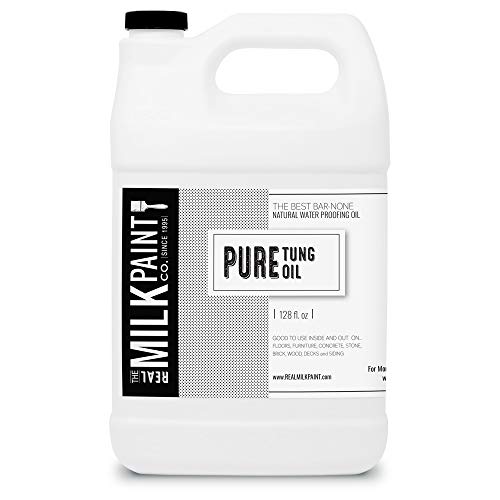
Butcher block counters are real, functional food-prep surfaces, which changes the priority order compared to most other painting projects — the finish's food safety, not just its color or durability, is the deciding factor, and this needs to be treated as a real requirement, not an afterthought.
1. Food safety is the primary constraint — check every product for this specifically
Any coating or paint used on a butcher block counter's actual work surface should be explicitly labeled food-safe once cured — a standard decorative paint or varnish, even a high-quality one, isn't necessarily formulated or tested for direct, repeated food contact, and this distinction matters considerably more here than on almost any other painting project covered on this site.
2. Painting vs. staining — a real choice for butcher block specifically
Full opaque paint hides the wood grain that's often part of butcher block's original appeal — many people choose a food-safe stain or a tinted food-safe oil instead, to change the color while keeping the wood grain visible. This is a genuine aesthetic choice worth considering before committing to full opaque paint, which is more common on cabinets and trim than on butcher block specifically.
3. Food-safe finish options
- Food-safe mineral oil or butcher block conditioner — the traditional choice, needs regular reapplication, doesn't change color much, no film-forming protection.
- Food-safe tung oil or specific food-safe hardening oils — cures to a more durable film than mineral oil while remaining food-safe once cured.
- Food-safe polyurethane or specific "salad bowl" style finishes — genuine film-forming protection, explicitly rated food-safe once fully cured.
4. If painting the sides/edges but not the actual work surface
Some butcher block projects paint the visible edges or a decorative border while leaving the actual cutting/food-prep surface natural or treated only with food-safe oil — this is a reasonable compromise that gets some color change without needing every product involved to be food-safe, since the painted areas never contact food directly.
5. Full cure time matters more here than on most projects
Whatever finish is chosen, allowing full cure time (checking the specific product's label, since "food safe once cured" often means a genuinely longer cure period than just feeling dry) before the surface returns to food-prep use is a real requirement, not a suggestion — using a countertop for food prep before a coating has fully cured risks both damaging the finish and genuine food-safety concerns.
6. Maintenance going forward
A butcher block surface used for actual food prep needs more attentive care than most painted surfaces — avoiding standing water, reapplying oil-based finishes periodically per the product's guidance, and being mindful of cutting directly on any painted/coated area (which most food-safe finishes still aren't designed to survive knife contact well) all matter for keeping the surface both attractive and genuinely food-safe long-term.
Guides are researched against primary documentation and observable evidence. Archived material is rewritten, checked, and substantially improved before publication.