
Rules to Follow When Painting a Rental Property
Beyond checking the lease, choosing durable, neutral, easy-to-touch-up paint protects a security deposit and keeps the space appealing to future tenants far better than a bold personal color choice would.
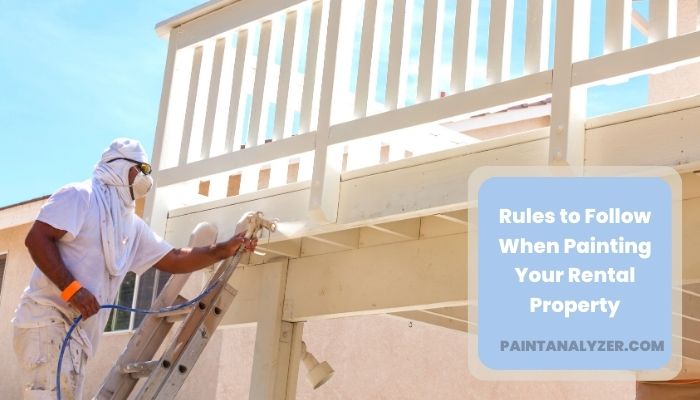
Painting a rental property — whether as a tenant wanting to personalize a space or a landlord refreshing between tenants — involves a distinct set of considerations beyond standard painting technique, centered on permission, durability, and keeping the space broadly appealing rather than reflecting one specific personal taste.
1. Check the lease and get written permission first, as a tenant
Most leases address whether tenants can paint at all, and under what conditions (often requiring restoration to the original color before move-out) — getting explicit written permission from the landlord before painting anything, even if the lease seems to allow it, avoids a costly dispute over security deposit deductions later.
2. Choose durable, easy-to-clean paint given a rental's typically higher wear
Rental properties often see more wear between tenants than an owner-occupied home might — a durable, washable sheen (satin rather than flat, following the general durability-vs-appearance trade-off covered for paint sheen) holds up better to cleaning between tenancies and general wear.
3. Stick to neutral, broadly appealing colors, especially for a landlord repainting between tenants
A bold, highly personal color choice appeals to a narrower range of future tenants and can make a space feel dated to a specific trend faster than a neutral palette — for a rental specifically meant to appeal broadly, neutral tones remain the more practical choice from a pure rental-strategy standpoint, even though they're not the most exciting design option.
4. Keep records of the original color, as a tenant
If permission is granted to paint a personal color, keeping the exact paint color/code used (and ideally the landlord's original color, if known) makes restoring the space to its original state before move-out considerably easier and more accurate than trying to color-match from memory.
5. Use quality paint and proper technique regardless of the temporary nature of tenancy
Rushed, poor-quality painting work reflects on a tenant's move-out condition and can affect security deposit return, or on a landlord's ability to attract quality tenants — following standard proper painting practice (adequate prep, appropriate primer, quality paint) matters just as much in a rental as anywhere else, despite any temptation to cut corners given the property isn't permanently one's own.
6. Consider touch-up paint availability for ongoing maintenance
Keeping a labeled, sealed container of leftover paint from the project (following proper storage practice covered for extending paint shelf life) makes future touch-ups between tenants or during a tenancy considerably easier than trying to rematch a color later without a saved sample.
7. For a landlord: document the pre- and post-paint condition
Photographing the space before and after any painting work, and keeping records of what was done, protects against disputes and provides a clear baseline for future maintenance decisions — a reasonable, low-effort documentation habit for anyone managing a rental property's ongoing condition over multiple tenancies.
Guides are researched against primary documentation and observable evidence. Archived material is rewritten, checked, and substantially improved before publication.