Flat vs Satin Paint: What's the Difference and Where to Use Each
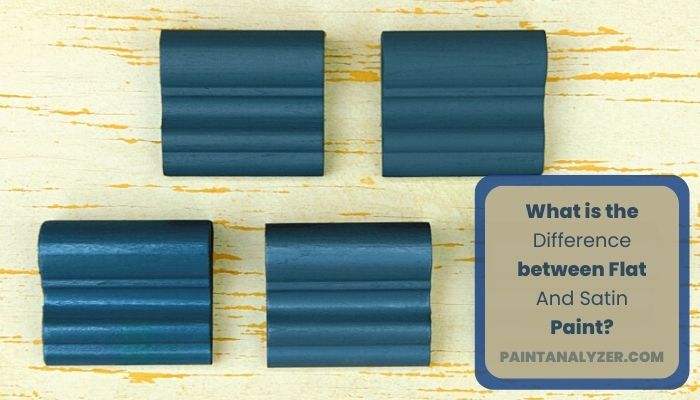
Paint sheen affects durability and washability as much as looks — here is how flat and satin actually differ and which rooms suit each.
Paint Analyzer covers acrylic, spray, and oil paint techniques, drying times, surfaces, and buying guides.
Paint sheen affects durability and washability as much as looks — here is how flat and satin actually differ and which rooms suit each.
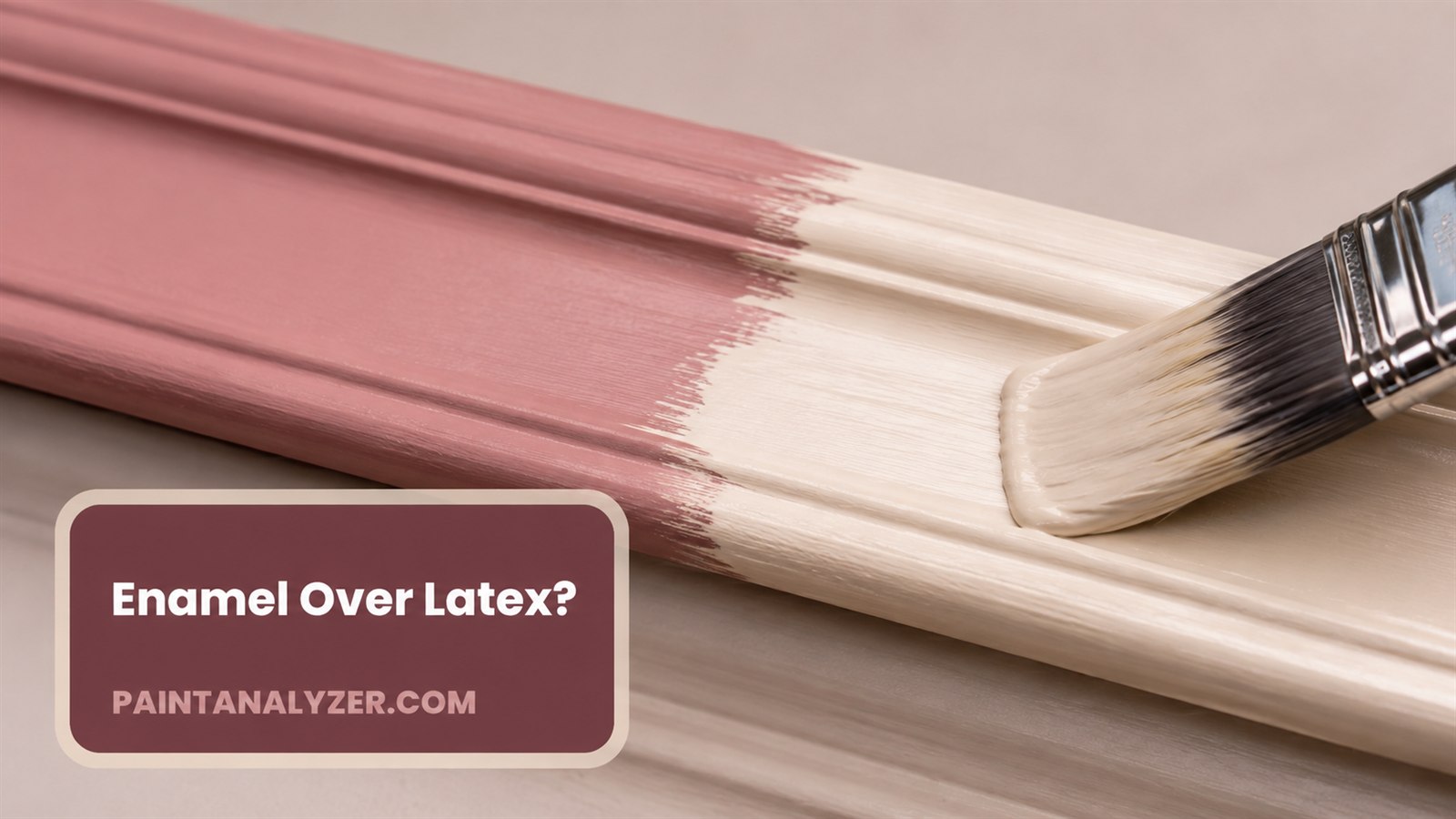
Yes, and this is a common, well-supported combination for adding durability to trim or furniture originally painted with latex — the compatibility question depends mainly on whether the enamel is water- or oil-based.
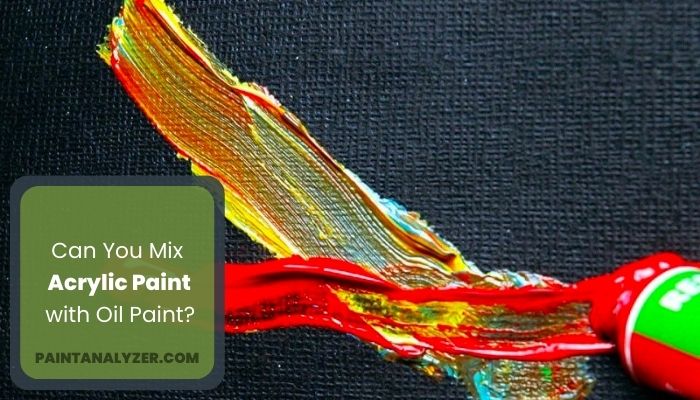
No — water-based acrylic and oil-based paint are chemically incompatible when mixed directly together, though layering oil over fully cured acrylic (never the reverse) is a separate and generally workable technique.
The technique layers several paint colors and a sponge or rag application to mimic natural stone's color variation — real skill comes from studying actual stone's irregular color patterns rather than applying flat, uniform color.
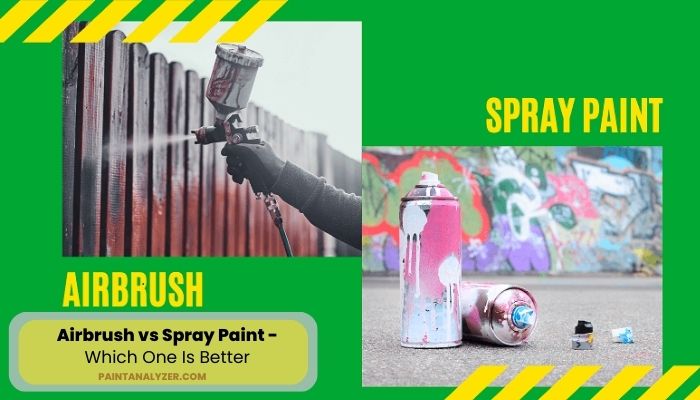
Airbrushing and spray painting solve different problems — one is about fine control at small scale, the other about fast, even coverage at larger scale.
Wooden blinds accumulate dust in ways a flat surface doesn't, and each individual slat needs to be handled separately — the actual painting technique is standard wood practice, but the logistics of many small pieces is the real challenge.
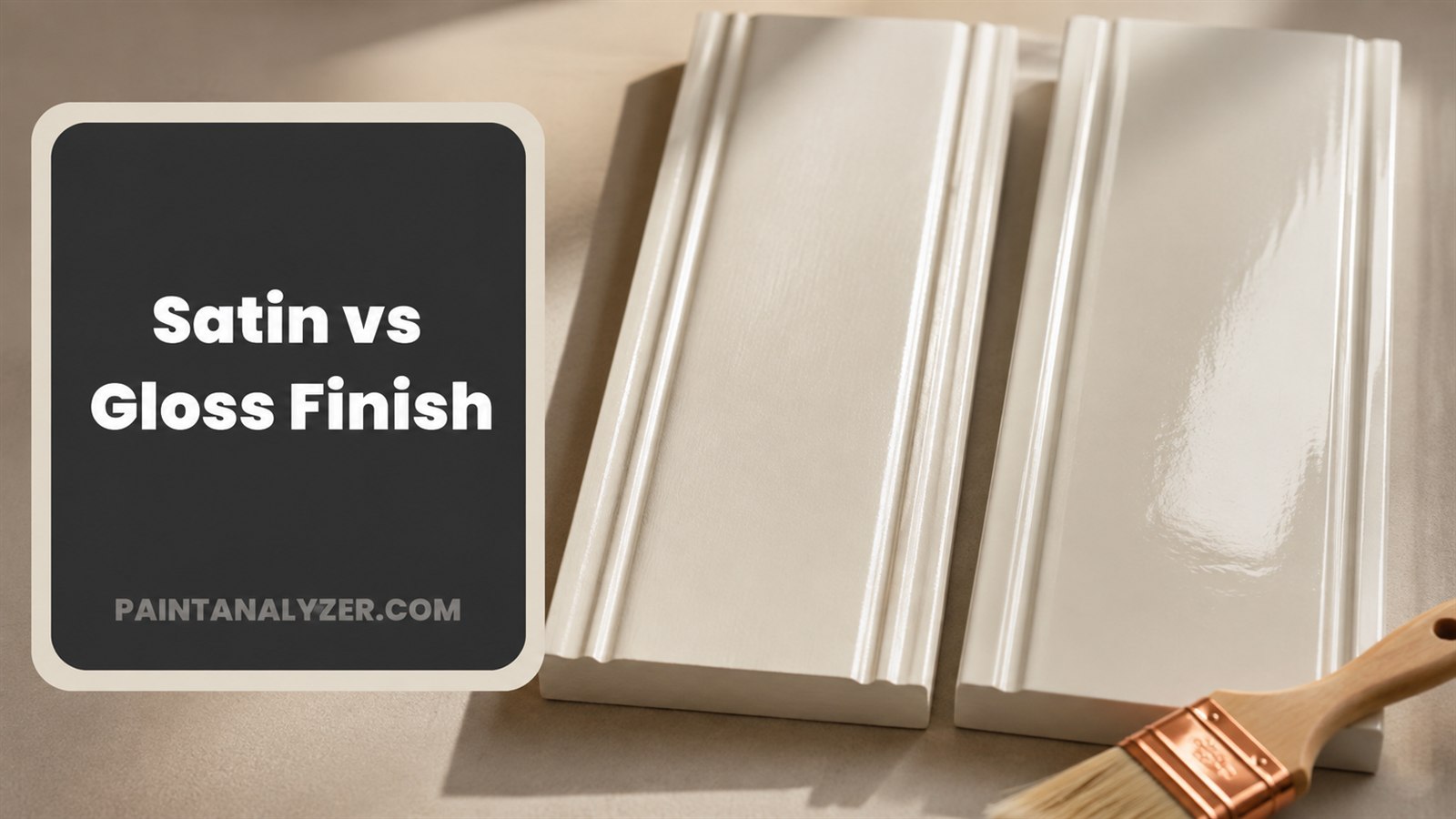
Satin and gloss sit at opposite ends of the practical sheen range — the tradeoff is imperfection-hiding versus washability and durability, not one being objectively better.
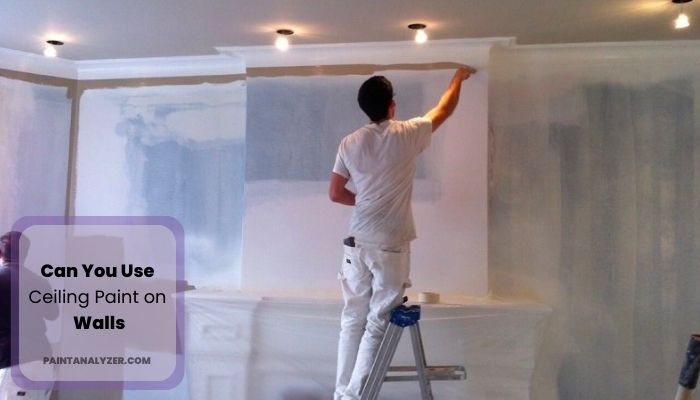
It works, but ceiling paint is formulated differently from wall paint — flatter, less washable, and usually not available in as wide a color range.
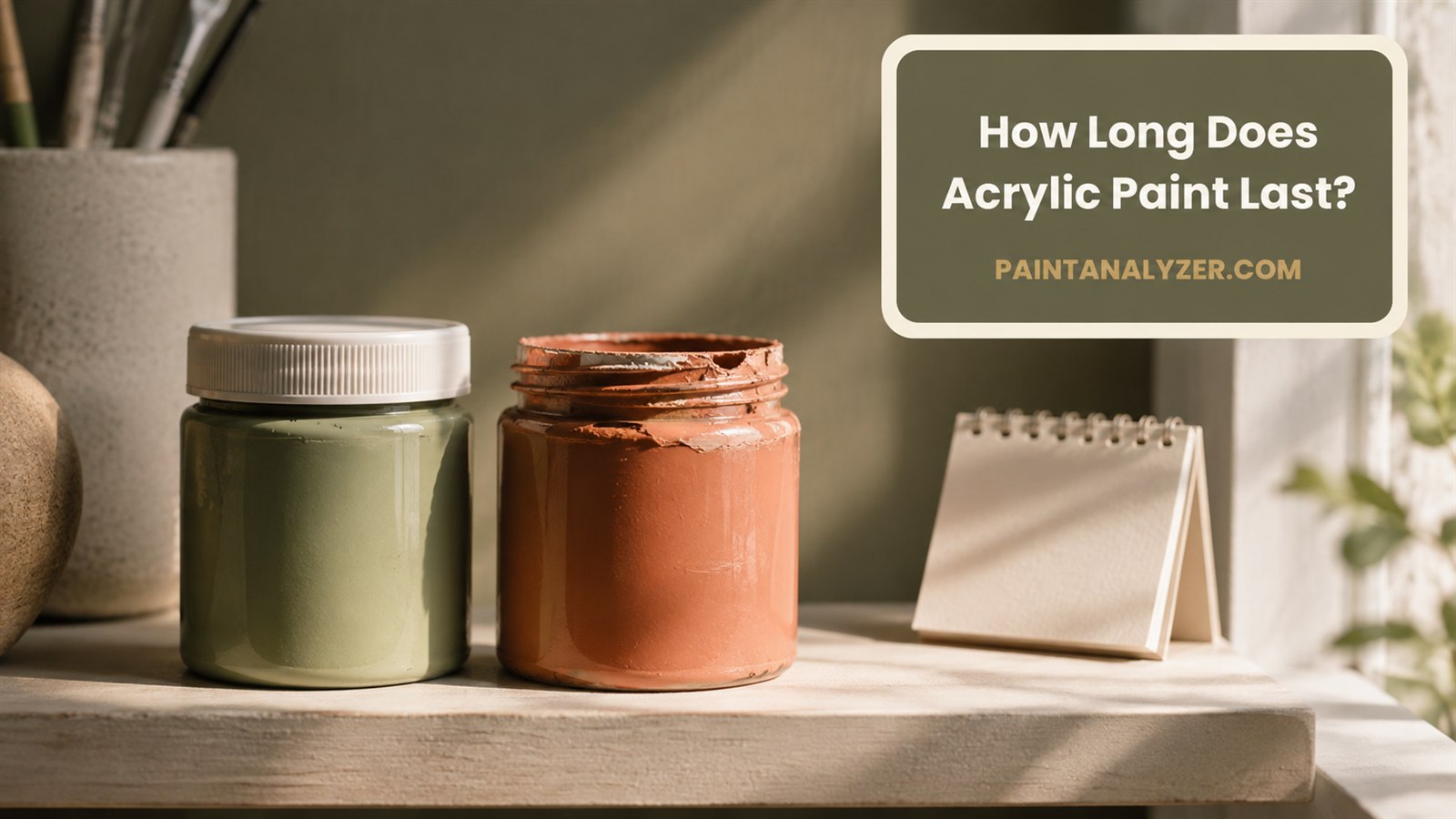
Unopened, properly stored acrylic paint can remain usable for several years — once opened, exposure to air and repeated temperature swings shortens that considerably, and a few clear signs indicate when it's actually gone bad.
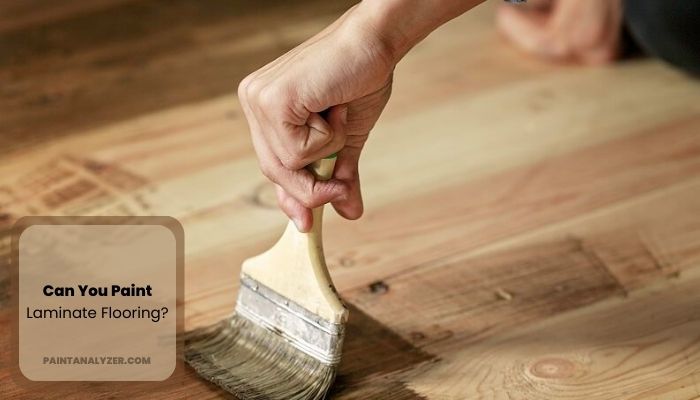
Laminate can be painted, but its slick, non-porous wear layer means adhesion — not color choice — is the entire challenge, and durability underfoot is a real limitation.
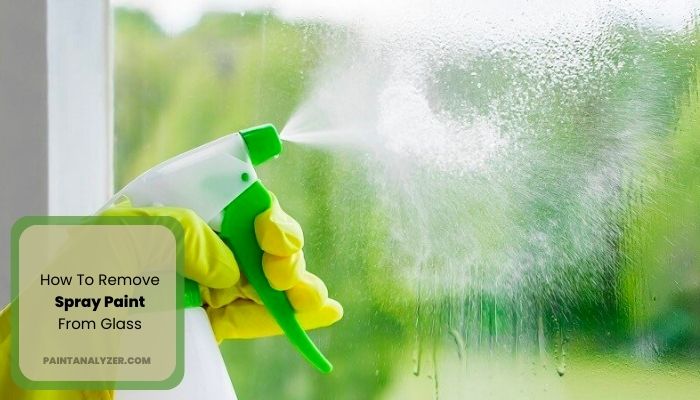
Glass is one of the easiest surfaces to remove dried spray paint from — it's non-porous, so nothing soaks in, and a razor blade paired with a solvent handles most of the work.
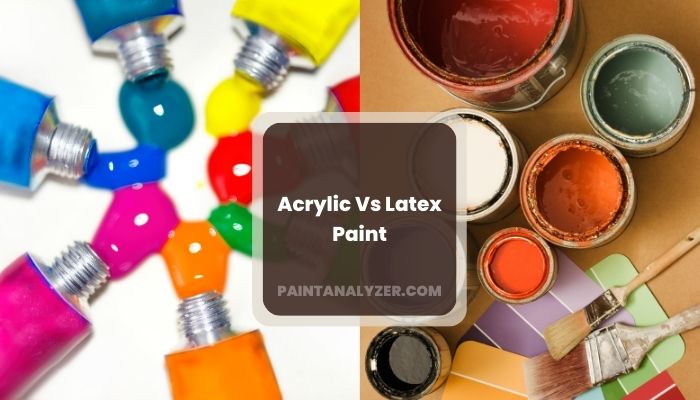
Acrylic and latex paint are often labeled interchangeably at the hardware store — here is what actually differs in the binder, and when the distinction matters.