Can Propane Tanks Be Painted? A Safety-Conscious Guide
Yes, propane tanks can be repainted, but genuine safety precautions around ventilation, avoiding valves and fittings, and using light colors matter more here than for typical painting projects.
Paint Analyzer covers acrylic, spray, and oil paint techniques, drying times, surfaces, and buying guides.
Yes, propane tanks can be repainted, but genuine safety precautions around ventilation, avoiding valves and fittings, and using light colors matter more here than for typical painting projects.
Beyond the standard brush, roller, and tray, a handful of purpose-built tools solve specific painting problems more efficiently than improvising with general-purpose equipment.
A brush-free finish on a door comes down to the tool (foam or microfiber roller, not a standard bristle brush for the flat panels), the paint's leveling properties, and painting it flat.
Emulsion isn't a separate category from paint — it's the technical term (more common outside the US) for what water-based, or latex, paint actually is.
A varnish topcoat, proper framing, and sensible display placement are the three main ways to protect a finished acrylic painting from dust, UV fading, and physical damage over time.
Muted, natural tones generally attract more bird tenants than bright colors, which many species instinctively avoid as a potential predator warning signal.
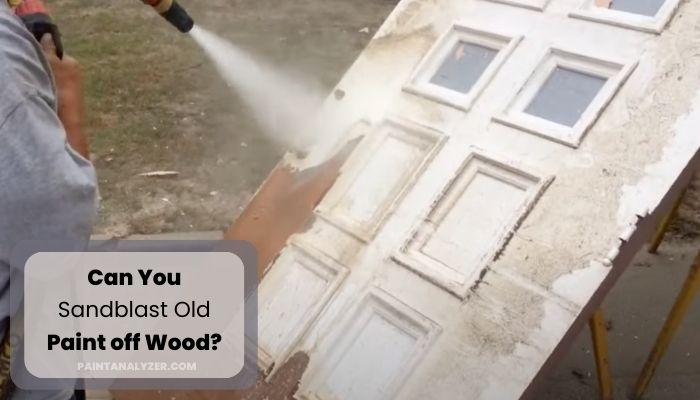
Technically yes, but standard sandblasting media is often too aggressive for wood, gouging the surface — a gentler media and lower pressure, sometimes called soda blasting, is the safer approach for wood specifically.
Vinegar can soften some paint types with enough heat and time, but it's genuinely slower and less reliable than a proper stripper — a reasonable low-toxicity first attempt for a small area, not a dependable full solution.
Automotive plastic trim and parts need a flexible, plastic-specific primer that can move with the material — standard rigid automotive paint alone tends to crack on flexible plastic parts over time.
Fiberglass pools require a specific pool-rated epoxy paint and thorough surface prep — this is a demanding project where getting the prep and product choice right determines whether the paint lasts years or fails within one season.
A skin on top, or dried edges, can often be worked around — paint that's dried and hardened solid all the way through the can generally can't be restored to a usable liquid state.
A gallon of paint typically weighs 10-12 pounds, varying somewhat by paint type and formulation — useful to know for shipping, storage planning, or simply satisfying curiosity.