Tested guides for paint, color, and repaint projects
Paint Analyzer

Guides — Page 8

Paint Analyzer covers acrylic, spray, and oil paint techniques, drying times, surfaces, and buying guides.

Spray Paint

How to Thin Paint for a Spray Gun

Most paint is too thick to spray straight from the can — the right thinning ratio depends on the paint type and gun, and testing on scrap material first is not optional.
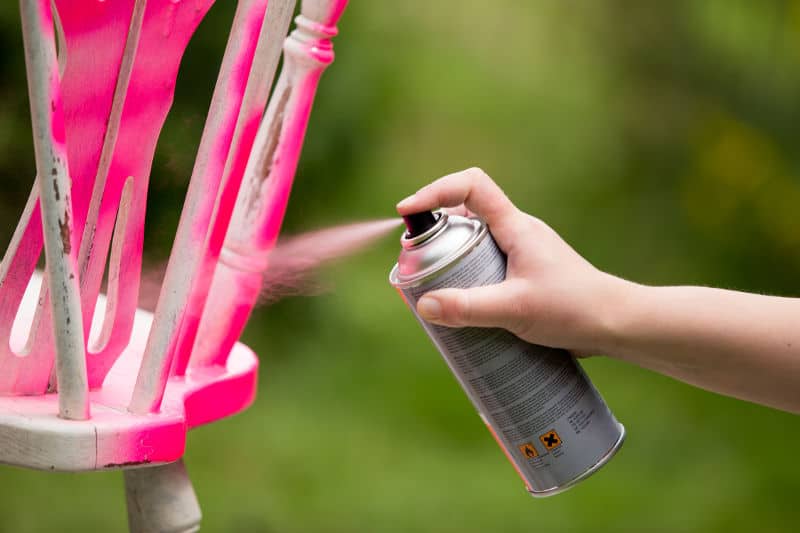
Spray Paint

How Long Does Spray Paint Take to Dry?

Touch-dry, recoat time, and full cure are three different timelines — treating the first as if it were the last is the most common spray paint mistake.

Buying Guides

How Long Does Primer Take to Dry?

Most water-based primers are recoat-ready in a few hours, while oil-based and shellac-based primers vary more — checking the specific product's recoat window matters more here than for most other steps in a paint job.

Acrylic Paint

How to Paint Ceramic Mugs (Food-Safe Considerations)

The paint and the finishing process both matter for a mug meant for actual drinking use — a genuinely food-safe, dishwasher-durable result needs specific products and a real baking/curing step, not just any acrylic paint.

Techniques & Surfaces

How to Prepare Concrete for Painting

Concrete's alkalinity, porosity, and tendency to hold moisture make thorough prep the single biggest factor in whether concrete paint lasts years or peels within one season.

Techniques & Surfaces

What Happens If It Rains After You Paint Your Deck?

Rain hitting paint or stain before it's had adequate cure time can cause real problems — the specific outcome depends on how much cure time had actually passed before the rain arrived.

Acrylic Paint

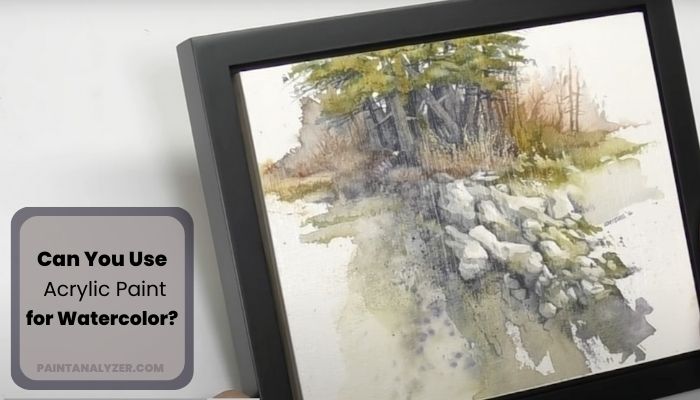
Can You Use Acrylic Paint for Watercolor?

You can dilute acrylic heavily to mimic watercolor's transparency, but it behaves differently once dry — acrylic becomes permanent and water-resistant, while true watercolor stays reactivatable with water indefinitely.

Spray Paint

How to Paint a Metal Bed Frame

A metal bed frame follows standard metal-painting practice, but its many joints, welds, and tight angles genuinely benefit from disassembly and spray application rather than trying to brush it fully assembled.

Techniques & Surfaces

How to Paint Over Tongue-and-Groove Pine Walls

Pine's tannin content and the many seams between boards are the two real challenges here — a stain-blocking primer and careful attention to the seams give a clean, lasting result.

Buying Guides

How to Make Paint on a Wall Look Glossy

A genuinely glossy wall finish comes from choosing a high-gloss paint (or adding a clear glossy topcoat) and applying it smoothly — sheen is primarily a product choice, not a technique that can be added after the fact.

Tools & Equipment

Painter's Putty vs. Spackle: Which Should You Use?

Both fill small holes and imperfections, but painter's putty is oil-based and stays workable longer for detailed trim work, while spackle is water-based, dries faster, and is the standard choice for drywall.