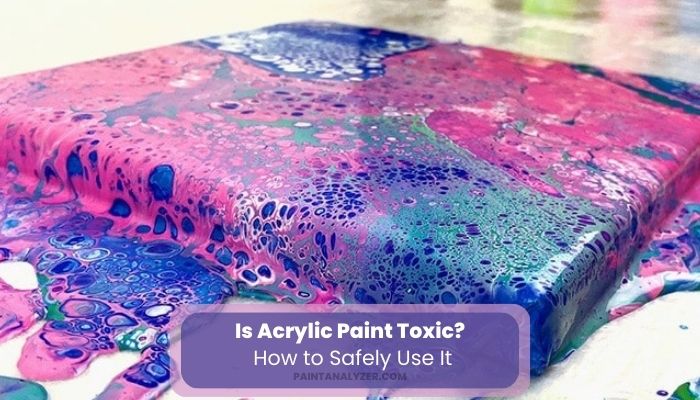
Acrylic Paint vs. Enamel: What Actually Sets Them Apart
Craft acrylic and enamel target genuinely different jobs — acrylic for artwork, crafts, and porous surfaces; enamel for a hard, durable, glossy finish on trim, metal, and high-wear surfaces.
Paint Analyzer covers acrylic, spray, and oil paint techniques, drying times, surfaces, and buying guides.
Craft acrylic and enamel target genuinely different jobs — acrylic for artwork, crafts, and porous surfaces; enamel for a hard, durable, glossy finish on trim, metal, and high-wear surfaces.
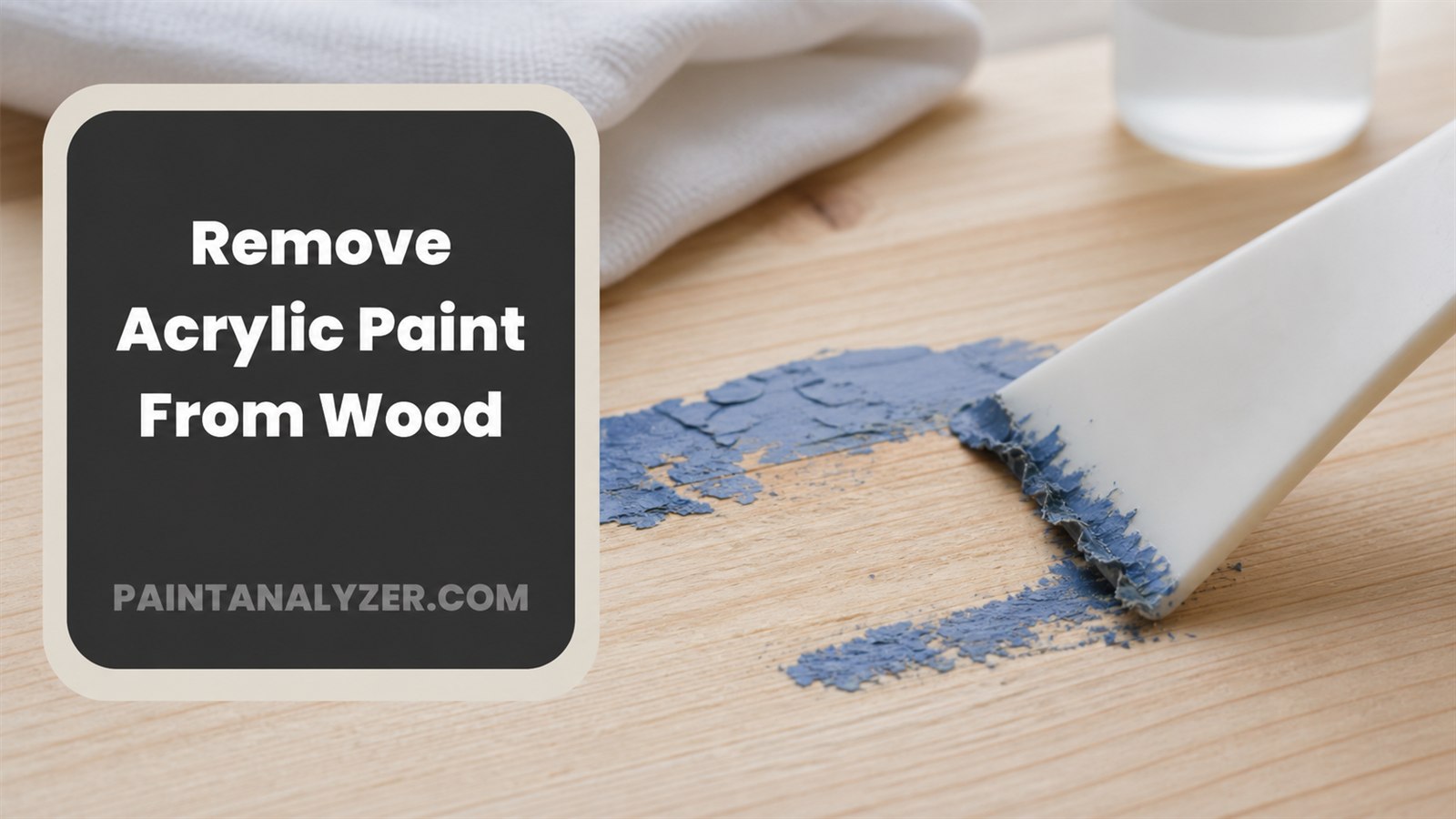
Wet acrylic paint on wood wipes off with soap and water; dried acrylic needs to be softened first — with rubbing alcohol, a commercial stripper, or careful sanding, depending on how much of the wood's finish can be sacrificed.
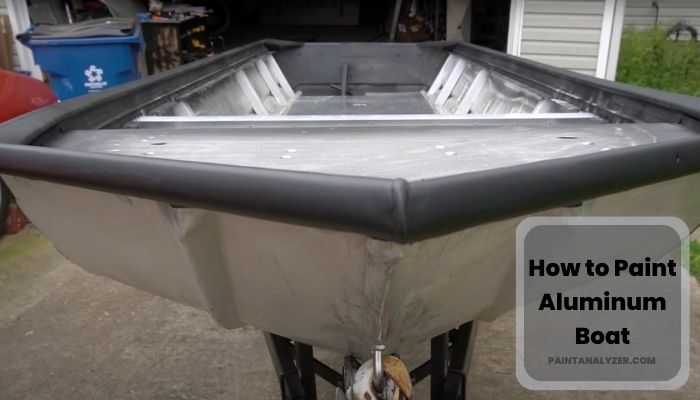
Aluminum's naturally slick, oxide-forming surface needs a specific self-etching primer before standard paint will hold up to a boat's constant water exposure.
Standard, quality acrylic craft and art paint is generally considered non-toxic and safe for typical use — the real exceptions are certain older cadmium-based pigments and inhaling dust from sanding a dried, cured film.