How to Sign an Acrylic Painting
Where and how to sign a painting is partly a practical technique question and partly an artistic choice — most artists sign in a bottom corner, in a way that complements rather than distracts from the piece.
Paint Analyzer covers acrylic, spray, and oil paint techniques, drying times, surfaces, and buying guides.
Where and how to sign a painting is partly a practical technique question and partly an artistic choice — most artists sign in a bottom corner, in a way that complements rather than distracts from the piece.
Blending gradually fades new paint into the surrounding original finish, avoiding a visible hard edge where a repair meets untouched factory paint.
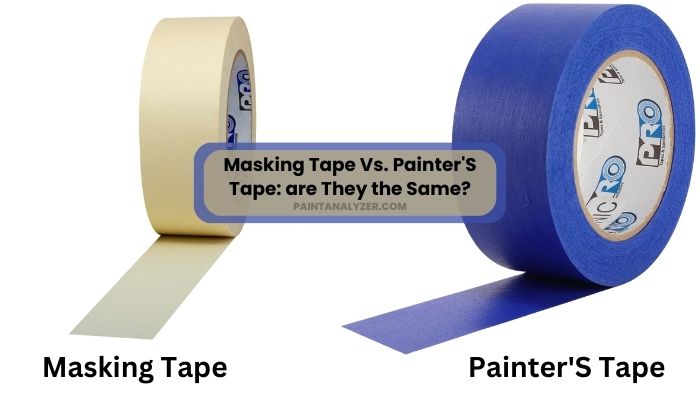
They look similar and get used interchangeably, but painter's tape is engineered specifically for clean removal from fresh paint — general masking tape isn't, and using it for edges can pull paint off with it.
Venetian plaster's dense, often-waxed surface calls for careful deglossing and a bonding primer — done right, it's a genuine way to update the look without removing the underlying plaster texture.
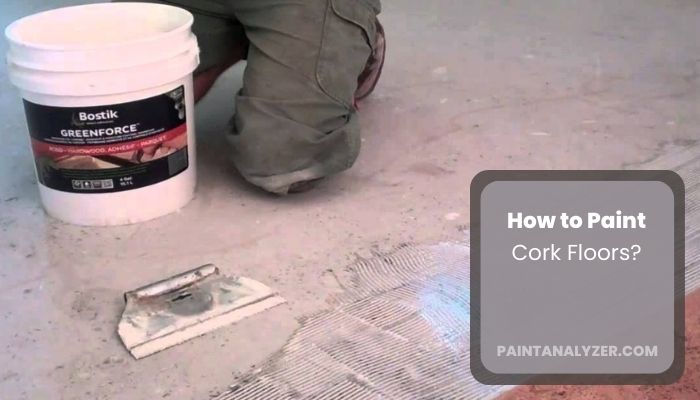
Cork's soft, porous surface needs careful sanding and a flexible, floor-rated paint to hold up to foot traffic without cracking or chipping.
One coat of primer is standard for most wood, but bare wood, tannin-prone species, or a significant color change often genuinely benefit from a second coat.
Powder coating comes in a few distinct chemical types, each with different durability, flexibility, and UV resistance trade-offs suited to specific applications.
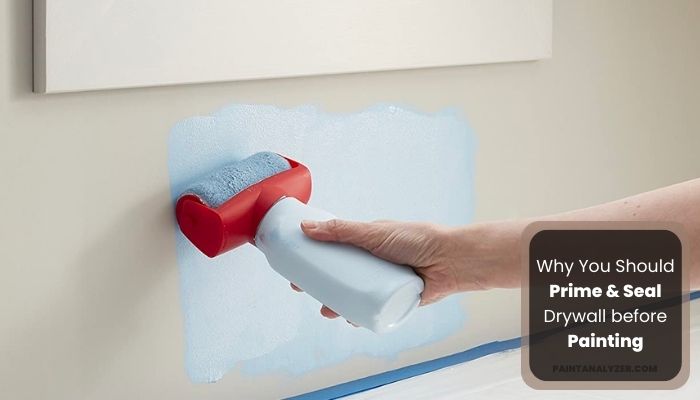
New drywall's paper facing and any joint-compound patches absorb paint at different rates than each other — skipping primer means that unevenness shows through the topcoat as visible flashing.
From aircraft-grade paint remover to polyurea coatings, these specialty products each solve a specific problem that standard paint, primer, or stripper isn't formulated to address.
Heat and abrasion are the two chemical-free routes — a heat gun lifts paint in sheets fast but risks scorching, while sanding is slower and safer but generates dust that needs real containment on old paint.
Acrylic medium changes how paint behaves — thickness, sheen, drying time, or transparency — without diluting the pigment the way plain water does.
Smoke residue sits on top of a painting's surface as a greasy film — but cleaning any painting with real age or value carries genuine risk, and professional conservation is the safer default over DIY cleaning attempts.