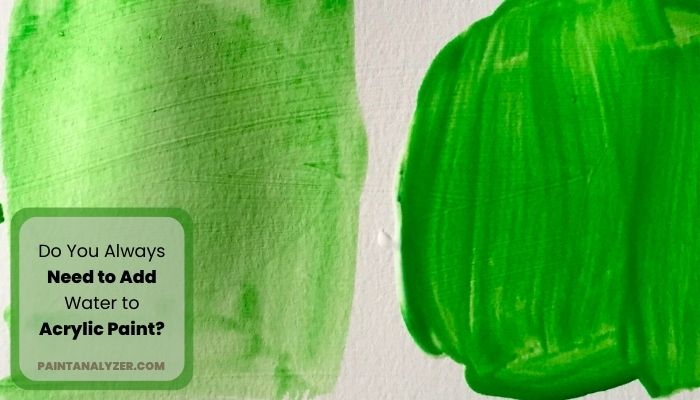
Do You Always Need to Add Water to Acrylic Paint?
No — acrylic paint is formulated to be used straight from the tube or jar, and water is an optional tool for specific techniques and consistency adjustments, not a required step.

Paint Analyzer covers acrylic, spray, and oil paint techniques, drying times, surfaces, and buying guides.
No — acrylic paint is formulated to be used straight from the tube or jar, and water is an optional tool for specific techniques and consistency adjustments, not a required step.
Repainting is cheaper and preserves the existing cabinet boxes and doors' shape; refacing replaces door and drawer fronts entirely, allowing a genuine style change that paint alone can't achieve.
Each type of residue needs a different gentle solvent, but the common thread across all of them is testing on a hidden spot first and working carefully to avoid removing the paint underneath along with the residue.
Formica's slick, laminate surface needs thorough deglossing and a genuine bonding primer to hold paint reliably — skip either step and the paint typically peels within months.
Rough, weathered barn wood calls for a paint that can handle an absorbent, uneven surface and genuine outdoor exposure — durability and proper prep matter more here than for typical exterior wood.
The core cleaning steps are the same across airless, HVLP, and specific brands like Wagner — flush the system with the right solvent immediately after use, before any paint has a chance to dry inside the internal passages.
Yes, and it's a standard technique for smoothing damaged or textured painted walls — joint compound generally adheres well to sound, clean paint, following the same core adhesion logic as texturing over paint.
Painting a stainless steel sink is possible but demanding — it needs an epoxy-based, kitchen-and-water-safe product and near-perfect prep given how much daily use and moisture exposure a sink surface takes.
A genuinely empty, fully dried can is usually fine for regular recycling — a can with any liquid paint remaining generally isn't, and "empty" needs to mean actually dry, not just poured out.
Upright storage is the safer, more reliable default — storing cans on their side for extended periods risks the paint settling unevenly and can affect the internal dip tube's function.
Watercolor stays water-reactivatable indefinitely and relies on transparency, while acrylic cures permanently and offers full opacity — two genuinely different mediums suited to different artistic approaches.
For ordinary 100% silicone, the durable fix is usually removal and replacement with a paintable sealant. Specialty systems require manufacturer-confirmed compatibility and a test patch.