
Flat vs Satin Paint: What's the Difference and Where to Use Each
Paint sheen affects durability and washability as much as looks — here is how flat and satin actually differ and which rooms suit each.
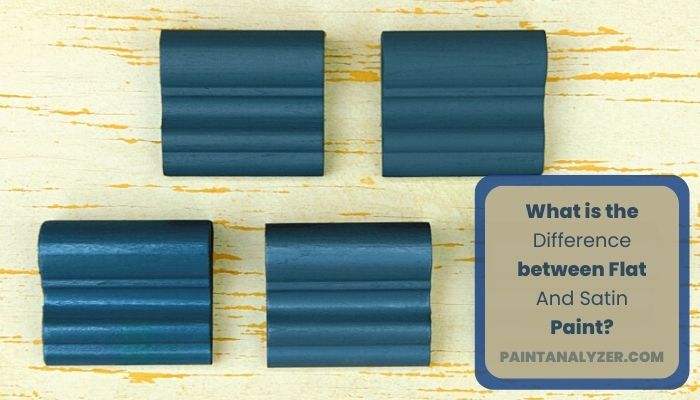
Sheen (how much light the dried paint reflects) is one of the most consequential choices in a paint project, and it's often picked last, by habit, instead of first.
Flat (matte)
No shine, reflects almost no light. This does two things: it hides surface imperfections — old drywall repairs, minor texture unevenness — better than any other sheen, and it's the least washable and least durable option. Fingerprints, scuffs, and stains are harder to wipe clean without burnishing the surface (leaving a shinier patch where you scrubbed).
Satin
A soft, low-gloss sheen — noticeably more washable and more resistant to scuffing than flat, while still hiding wall imperfections reasonably well (better than semi-gloss or gloss, worse than flat).
Where each one fits
- Flat — low-traffic adult bedrooms, formal living rooms, ceilings (almost always flat, regardless of the walls) — anywhere imperfection-hiding matters more than washability.
- Satin — hallways, kids' rooms, family rooms, kitchens (away from direct grease splatter), and most trim and doors — anywhere the wall will get touched, bumped, or need occasional cleaning.
The tradeoff, stated plainly
Every step up in sheen (flat → eggshell → satin → semi-gloss → gloss) trades imperfection-hiding for washability and durability. There's no universally "better" choice — it's a direct tradeoff based on how the wall will actually be used, not a quality difference between the two paints.
A common mistake
Using flat paint in a bathroom or kitchen because it was left over from another room. Both rooms see regular moisture and splashes; satin (or higher) holds up to wiping and occasional scrubbing in a way flat paint isn't formulated to.
Sheen names are not perfectly standardized
One manufacturer's satin can look close to another manufacturer's eggshell, and even products with the same sheen name can measure differently. If adjacent rooms or patched areas need to match, use the same product line rather than choosing by the word "satin" alone. A sample viewed under the room's real lighting is more useful than comparing wet paint chips by memory.
Higher sheen exposes prep and application defects
Satin reflects more directional light, which can reveal drywall waves, patched nail holes, roller lap marks, and uneven cutting-in that flat paint hides. That does not mean satin creates the defects — it simply makes them easier to see. On a wall with extensive repairs, spend more time feathering and priming patches before moving up in sheen.
Washability depends on paint quality too
Sheen is a useful rule of thumb, not the only determinant of cleanability. Modern premium matte and low-sheen paints can be formulated for much better scrub resistance than older flat paints. When washability is a deciding requirement, look at the product's stated intended use and performance rather than assuming every flat paint is fragile and every satin paint is equally tough.
Bathrooms and kitchens need more than a sheen decision
Moisture, ventilation, surface contamination, and the specific coating's resistance to mildew and cleaning all matter. Satin is often a practical choice because it is easier to wipe, but putting satin over a damp, greasy, or poorly ventilated surface does not solve the underlying condition. Clean properly, allow the substrate to dry, and use a product intended for the room.
Touch-ups are easier at lower sheen
Fresh satin touch-up paint can flash against an aged wall because small differences in film thickness and roller texture change reflected light. Flat is generally more forgiving. If a satin wall needs a large repair, repainting from corner to corner can produce a more uniform result than trying to feather a small shiny patch into the middle of the wall.
Guides are researched against primary documentation and observable evidence. Archived material is rewritten, checked, and substantially improved before publication.