
How to Paint an Aluminum Boat
Aluminum's naturally slick, oxide-forming surface needs a specific self-etching primer before standard paint will hold up to a boat's constant water exposure.
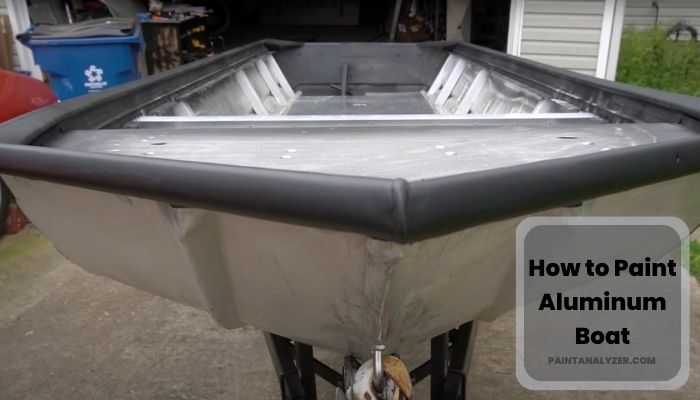
Painting an aluminum boat is a well-established project among boat owners, but aluminum's naturally slick surface and tendency to form a thin oxide layer mean standard paint and primer don't adhere reliably without the right specific preparation and primer choice.
1. Clean the hull thoroughly
Removing all dirt, algae growth, and old wax or grease with a dedicated boat hull cleaner gives the subsequent sanding and priming steps a genuinely clean surface to work with, rather than trapping contamination under the new paint system.
2. Sand to remove oxidation and promote adhesion
Aluminum naturally forms a thin oxide layer that interferes with paint adhesion — sanding the entire surface to remove this oxide layer and create some mechanical texture is an essential step that standard paint prep for other metals doesn't require to the same degree.
3. Use a self-etching primer specifically formulated for aluminum
A self-etching primer chemically bonds to bare aluminum in a way standard metal primers don't, addressing aluminum's specific adhesion challenge directly — skipping this specific primer type in favor of a generic metal primer is one of the most common reasons aluminum boat paint fails prematurely.
4. Apply a marine-rated topcoat
A paint specifically rated for marine use, formulated to handle constant water exposure, UV exposure, and the abrasion of use, holds up considerably better than a general-purpose metal paint not designed for this level of water immersion and exposure.
5. Consider antifouling paint for the hull's underwater portion, if applicable
For a boat kept in the water regularly, an antifouling bottom paint on the underwater hull portion specifically addresses marine growth (algae, barnacles) that a standard topside marine paint isn't formulated to resist — this is a distinct product from the topside paint used above the waterline.
6. Allow full cure time before returning the boat to the water
Following the marine paint system's specific cure time before relaunching protects the still-curing paint from immediate water exposure, which can compromise adhesion and durability if the paint hasn't had adequate time to fully harden first.
7. Ongoing maintenance to extend the paint job's life
Regular rinsing after use (especially after saltwater exposure) and periodic inspection for chips or wear, addressed promptly with touch-up paint, extends how long a marine paint job on aluminum continues to look good and protect the hull effectively.
Guides are researched against primary documentation and observable evidence. Archived material is rewritten, checked, and substantially improved before publication.