Tested guides for paint, color, and repaint projects
Paint Analyzer

Acrylic Paint — Page 4

Acrylic paint techniques, mixing, drying, and surfaces.

Acrylic Paint

How to Prime Wood for Acrylic Painting

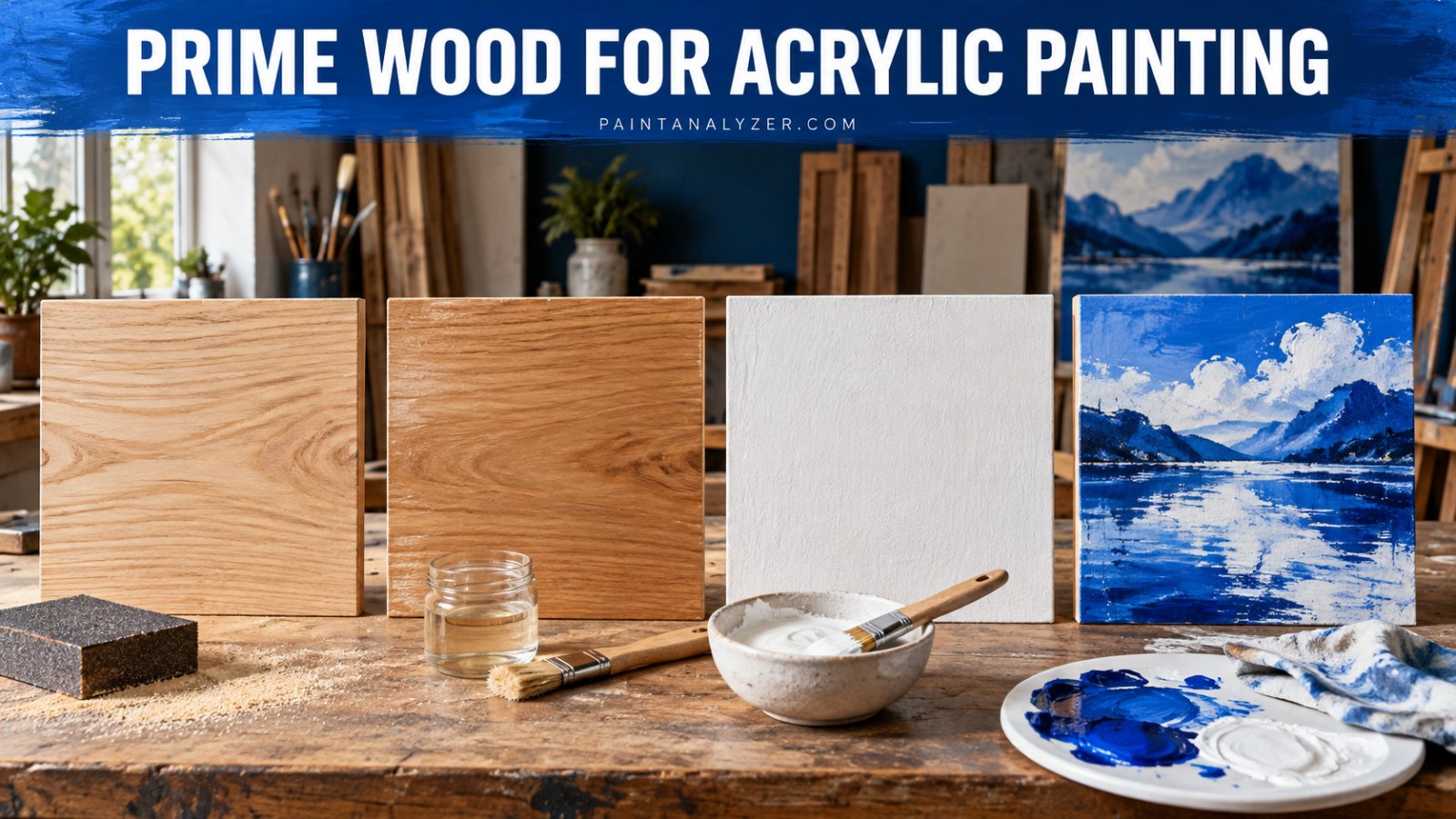
Bare wood panels absorb paint unevenly and can leach tannins through the paint over time — gesso seals the surface first, the same way it does for canvas, and is what makes a wood panel behave predictably for acrylic work.
Acrylic Paint

How to Tint Paint at Home

A paint store's tinting machine uses precisely measured colorant and a base formulated for it — replicating that at home means working in small, recorded increments and accepting more trial and error.

Acrylic Paint

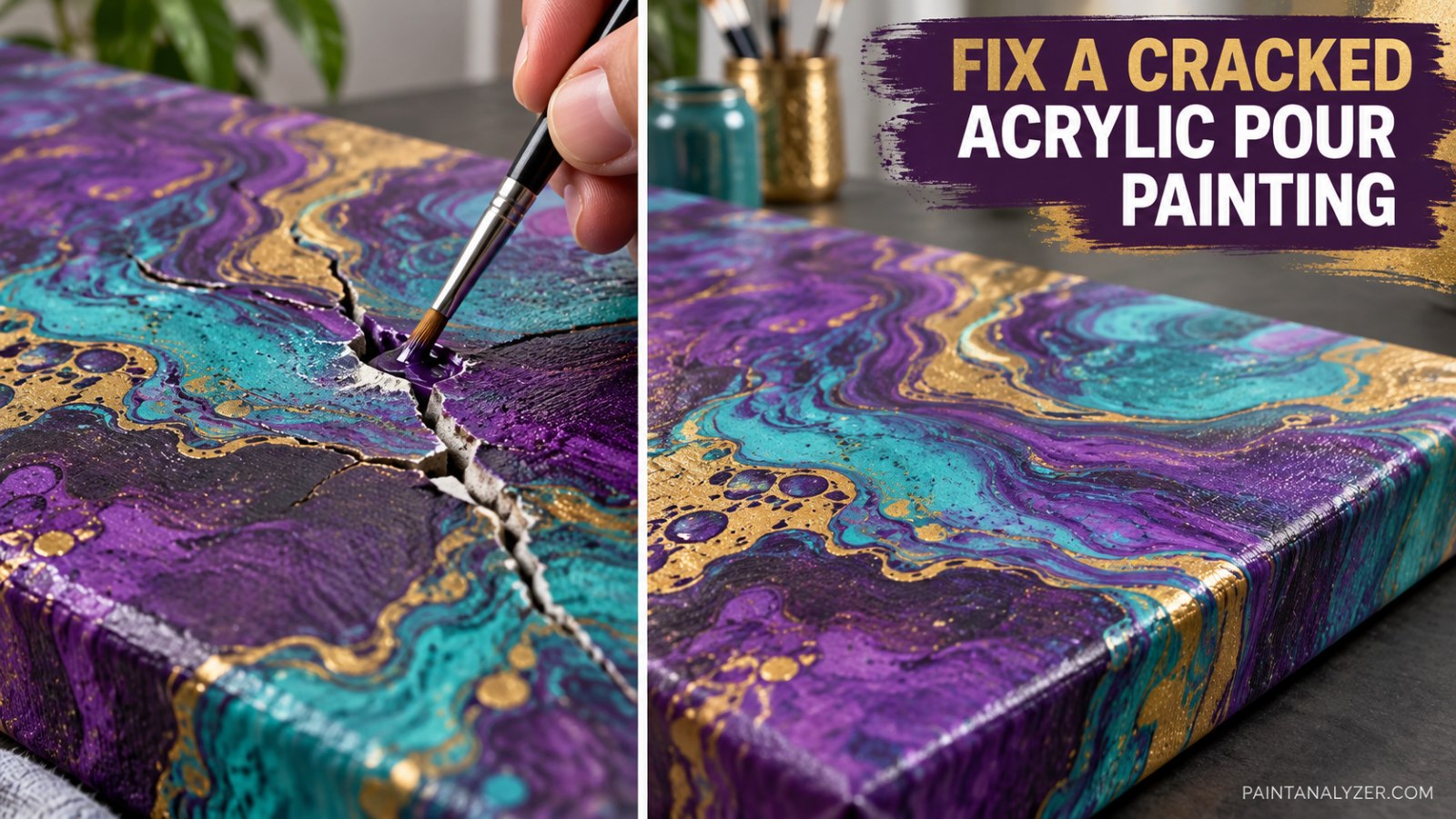
How to Fix Cracked Acrylic Pour Painting

Cracking in an acrylic pour painting usually comes from pouring too thick or curing too fast — understanding the cause helps both fix an existing crack and prevent it on future pours.

Acrylic Paint

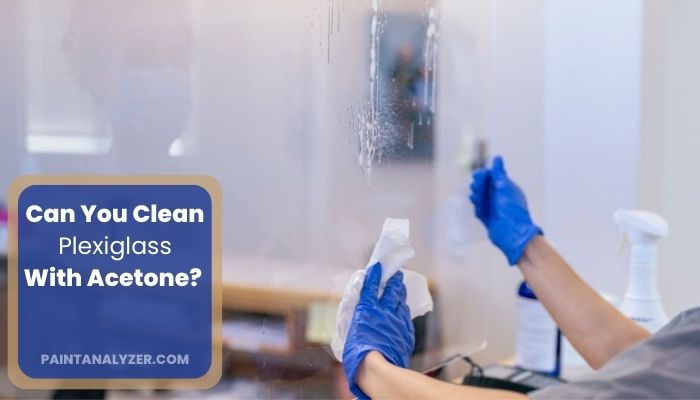
Can You Clean Plexiglass With Acetone?

No — acetone actively dissolves and clouds acrylic plastic (which is exactly what plexiglass is), causing permanent damage rather than cleaning it, even from brief contact.

Acrylic Paint

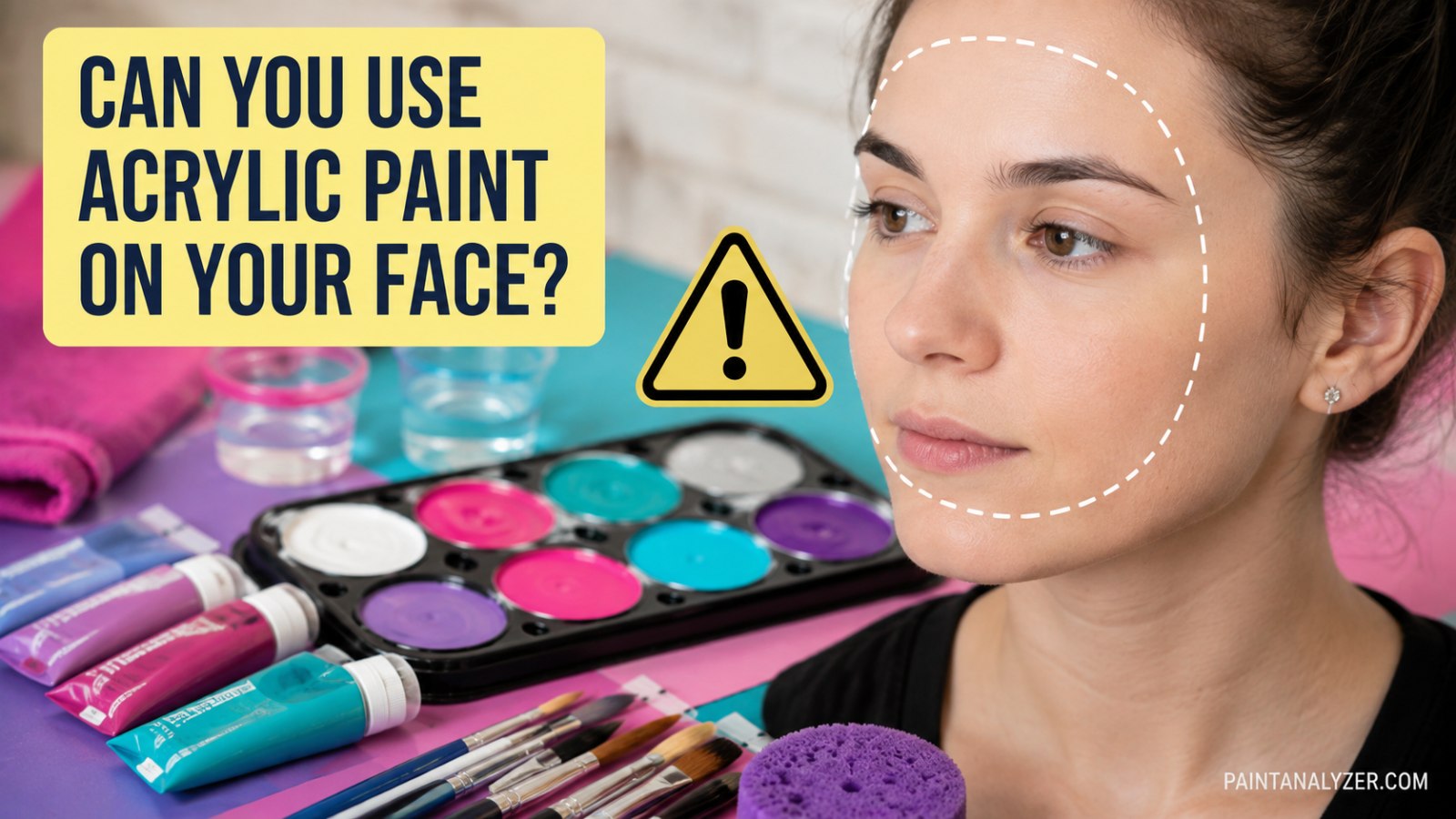
Can You Put Acrylic Paint on Your Face?

Standard craft acrylic paint isn't formulated or tested for skin contact and shouldn't go on your face — cosmetic-grade face paint, specifically formulated and tested for this use, is the appropriate product instead.

Acrylic Paint

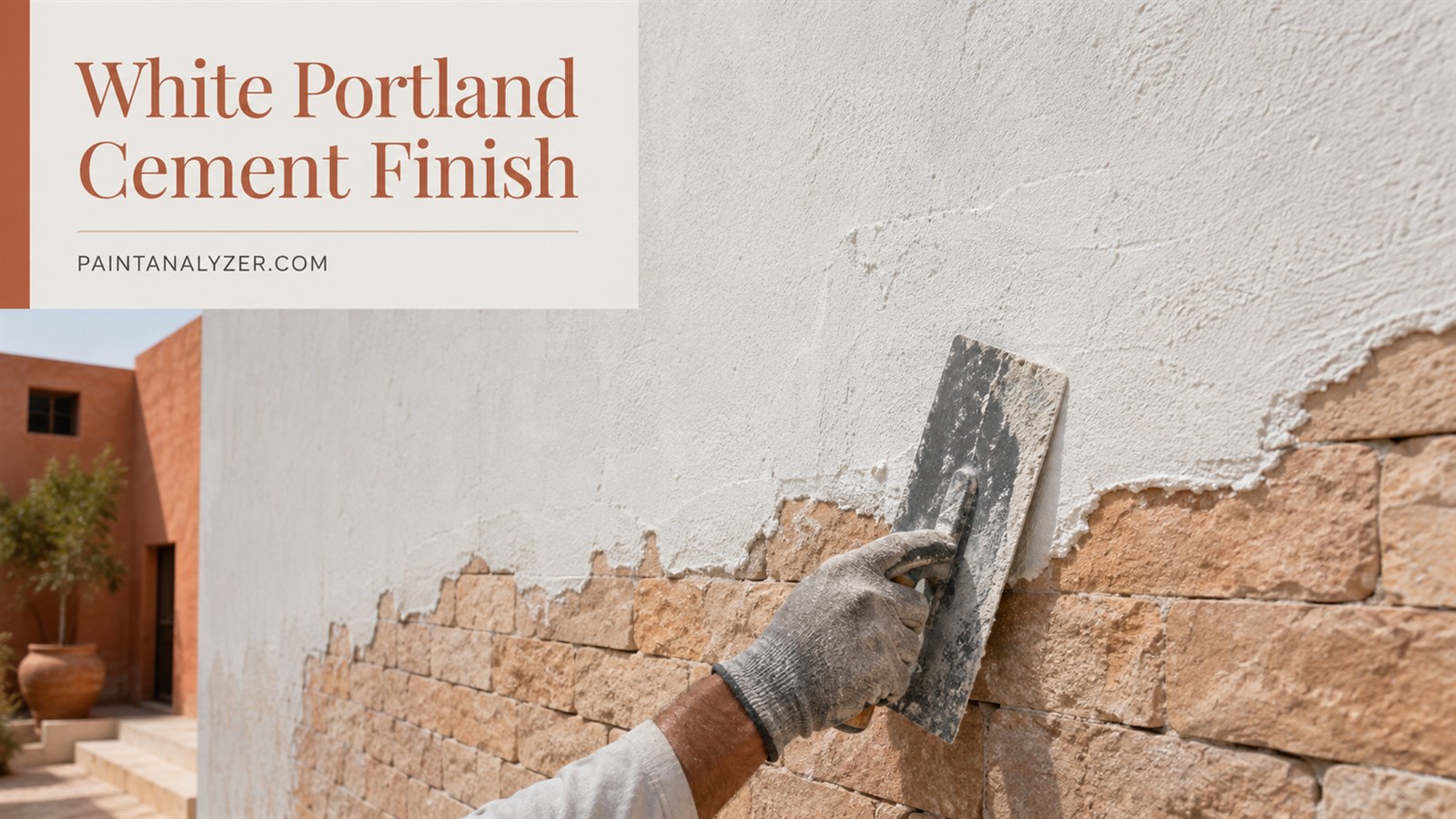
How to Paint With White Portland Cement

White Portland cement, mixed into a paintable slurry, creates a genuinely different, textured, mineral-toned decorative finish compared to standard paint's smooth, uniform film.

Acrylic Paint

Do You Need to Use an Easel to Paint?

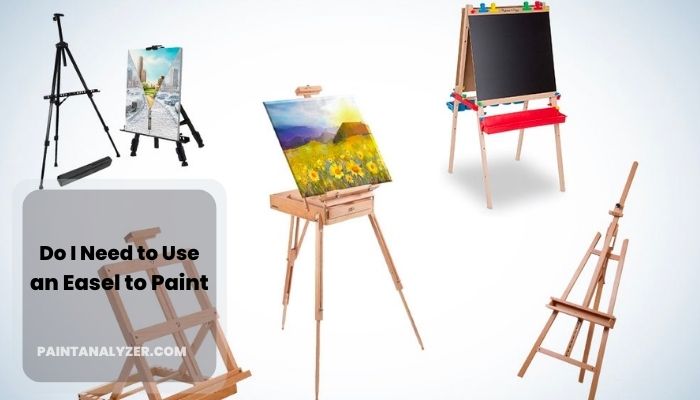
An easel isn't strictly required, but it offers genuine ergonomic and technical advantages over painting flat on a table that make it worth using for most serious painting work.