How to Dispose of Acrylic Paint
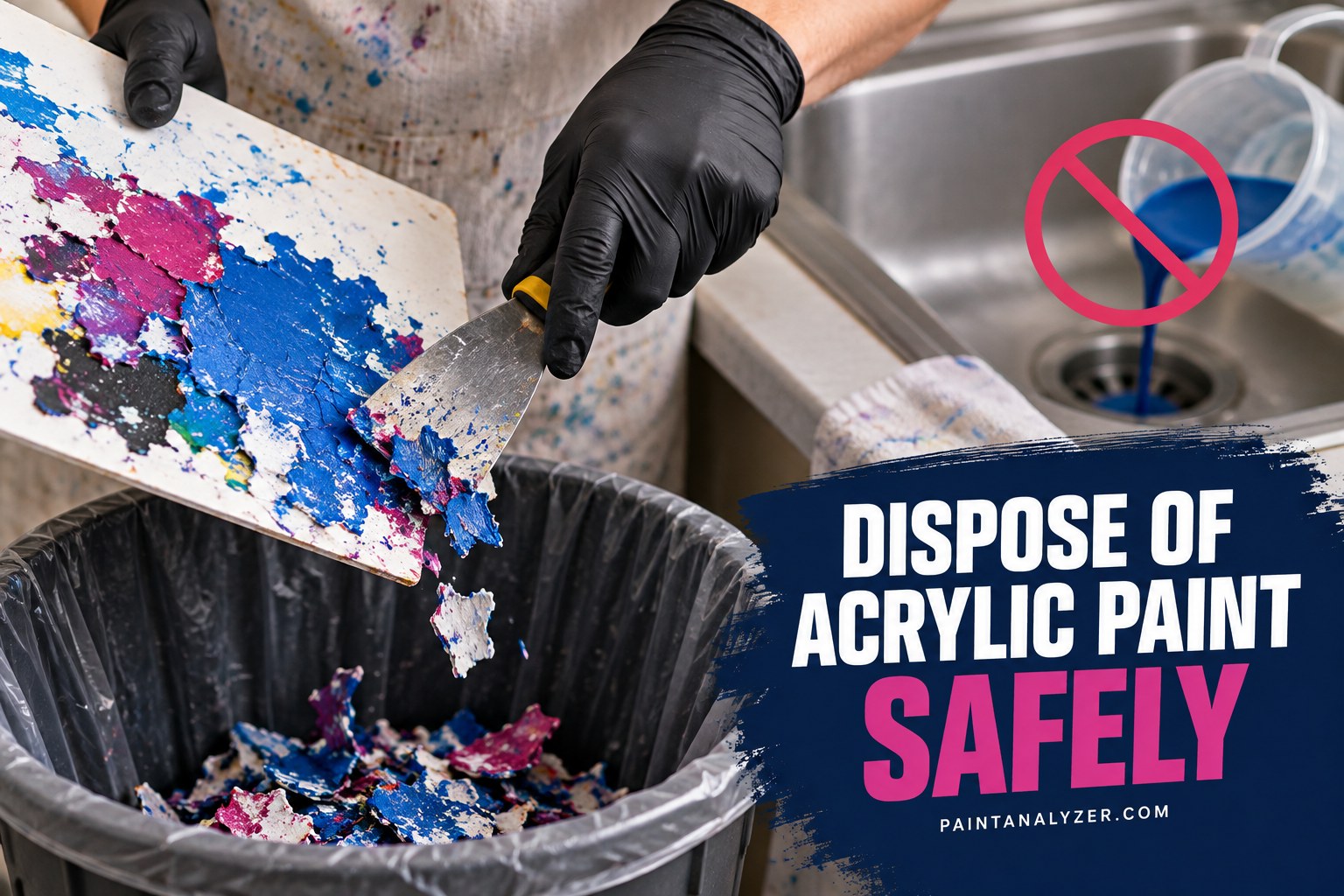
Fully dried, hardened acrylic paint can typically go in regular household trash — the real thing to avoid is pouring liquid acrylic paint down a drain, where it can affect wastewater treatment and plumbing.
Acrylic paint techniques, mixing, drying, and surfaces.
Fully dried, hardened acrylic paint can typically go in regular household trash — the real thing to avoid is pouring liquid acrylic paint down a drain, where it can affect wastewater treatment and plumbing.

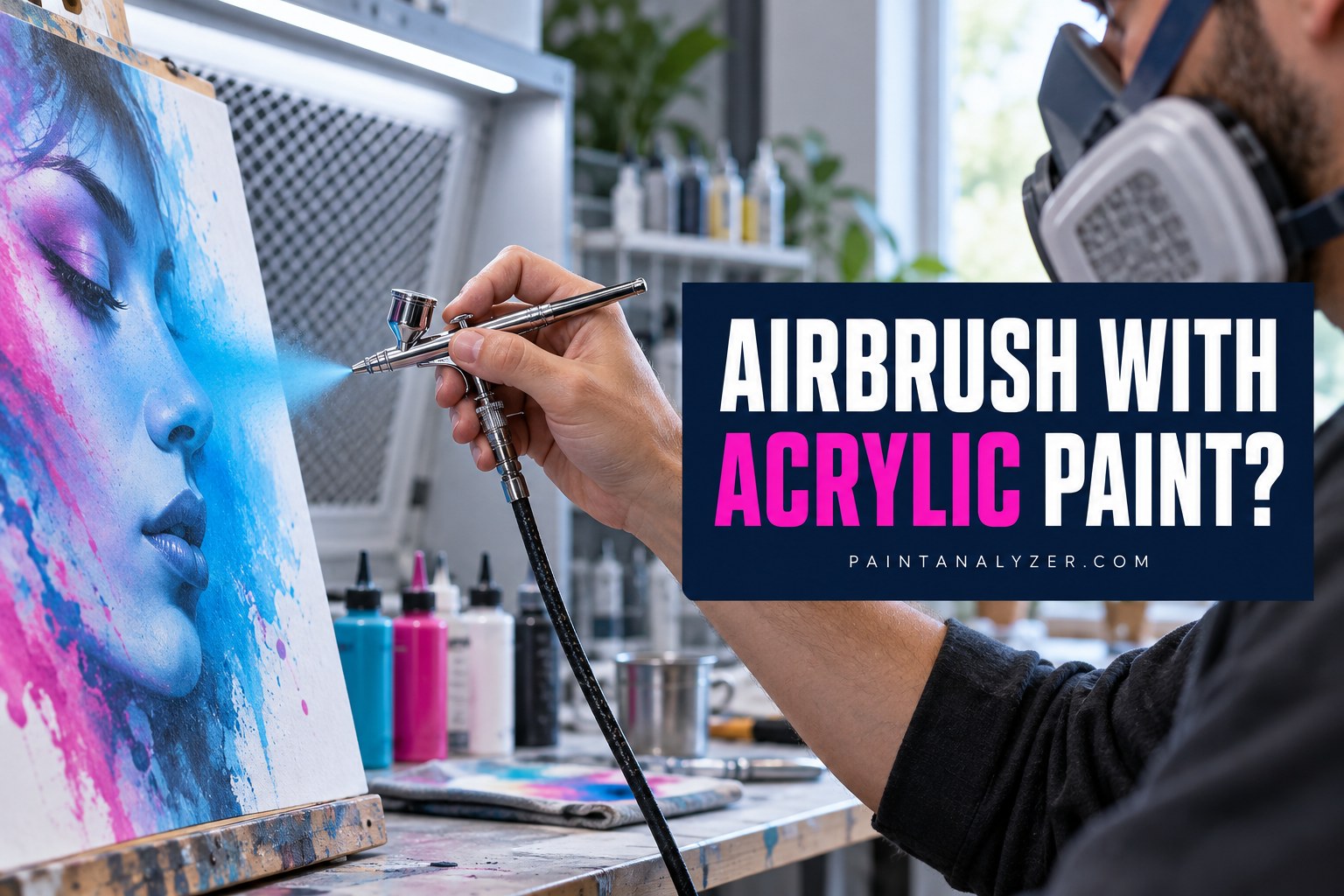
Yes, and it's one of the most common airbrush paint choices — but standard craft acrylic usually needs thinning to the right consistency first, since it's typically too thick for an airbrush straight from the bottle.
Every custom color comes back to the same primary-and-secondary color wheel logic — knowing which two or three base colors combine to create a target shade turns guesswork into a repeatable recipe.
Yes, and it's a standard way to add durability and protection to acrylic-painted furniture or crafts — a water-based polyurethane is the more compatible, more forgiving choice over an oil-based one.
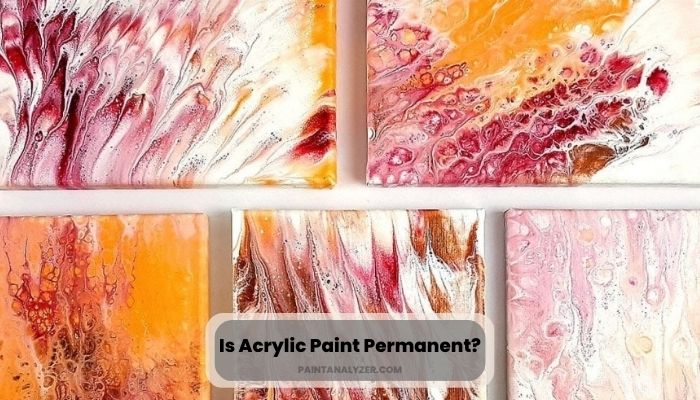
Once fully cured, acrylic paint is genuinely durable and water-resistant, but "permanent" has limits — it can still be removed with the right solvent or sanding, and isn't indestructible against everything.
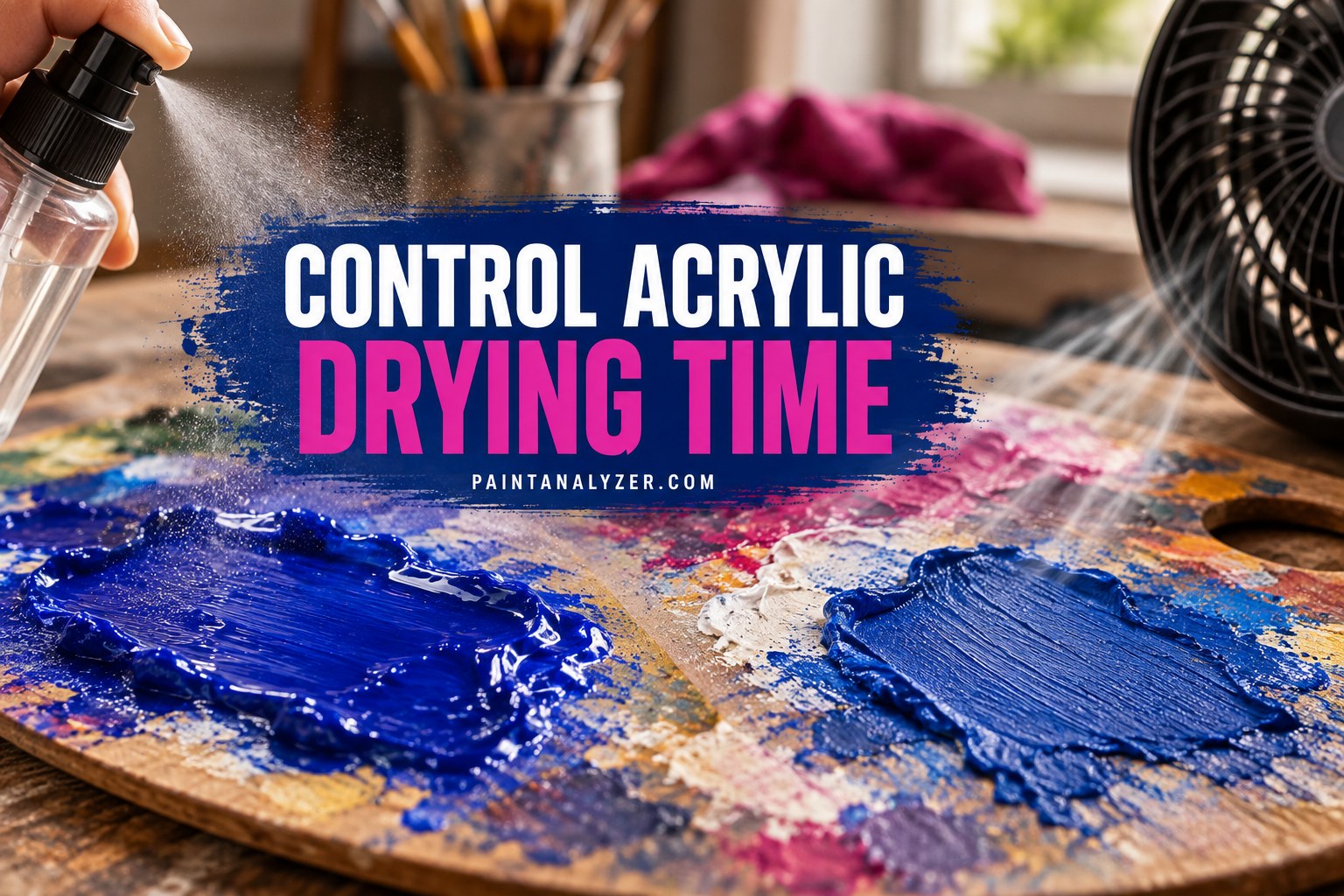
Acrylic's fast dry time is convenient for a quick project and frustrating for detailed blending — here is how to control it in both directions.
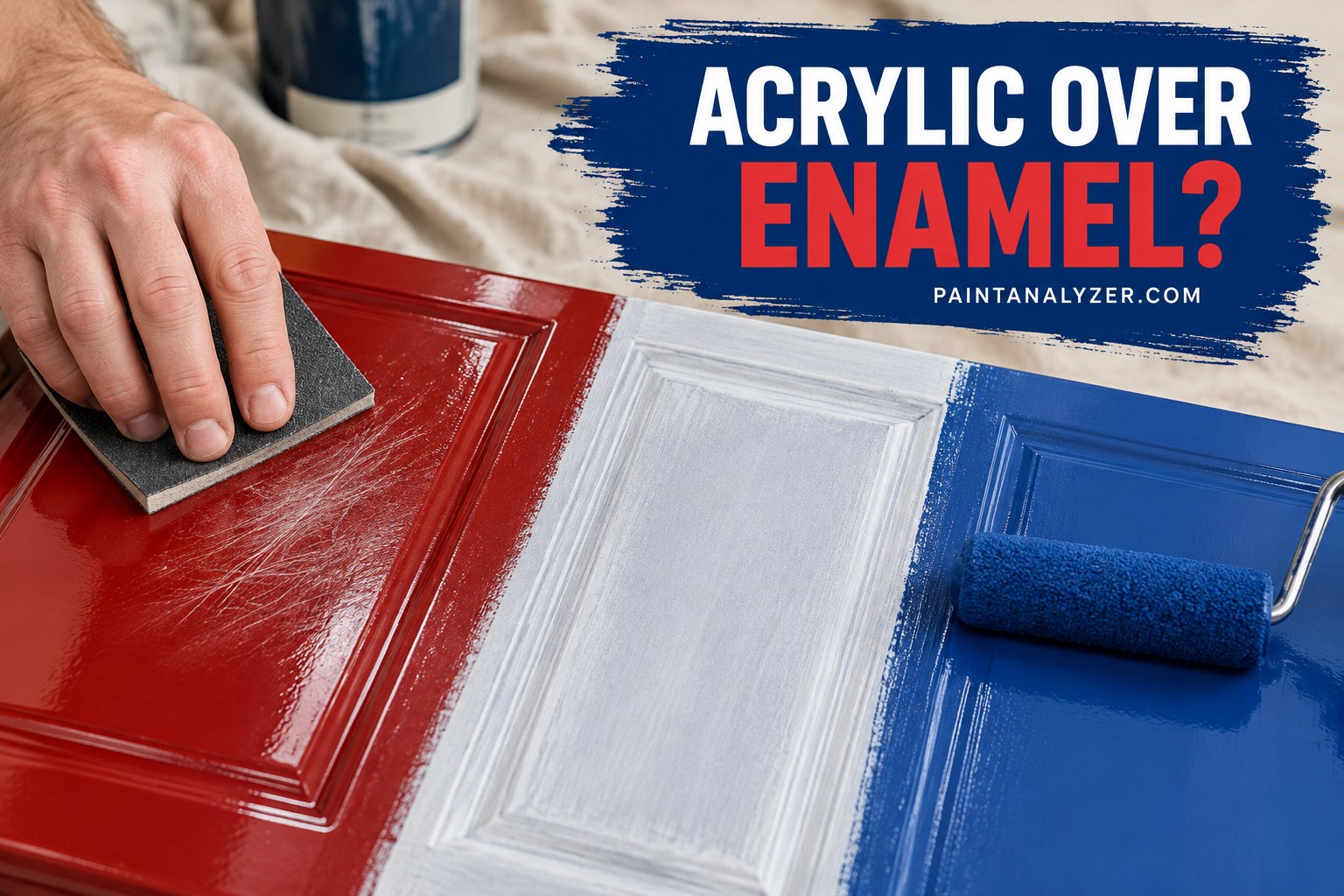
Yes, once the enamel is fully cured and properly deglossed — the same core logic covered for latex over oil-based primer applies here, since enamel is commonly oil-based and needs the same adhesion prep as any glossy surface.
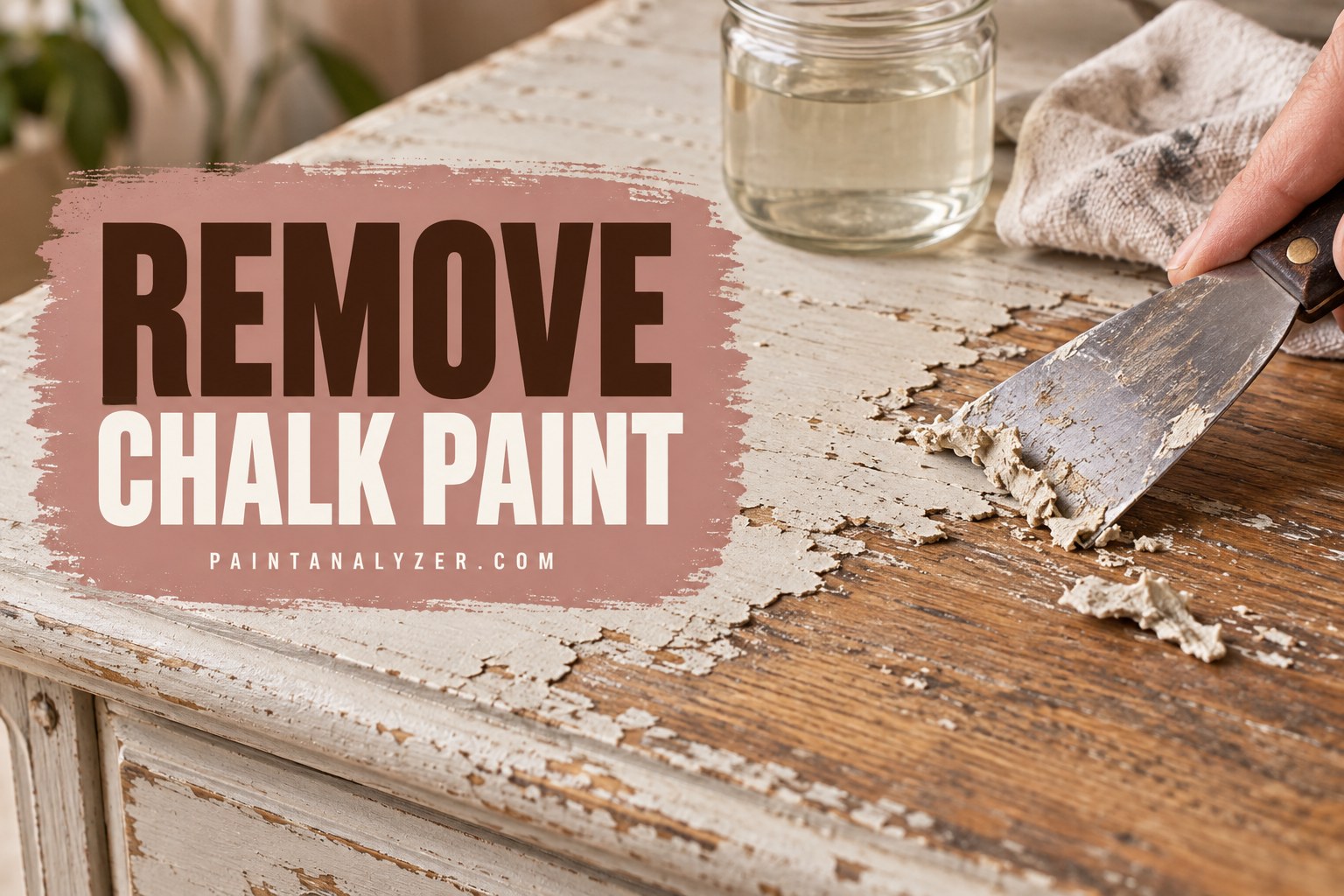
Chalk paint's porous, matte film is generally easier to remove than standard paint — warm soapy water and light scraping handle most of it, with a paint stripper reserved for a heavily built-up or sealed piece.
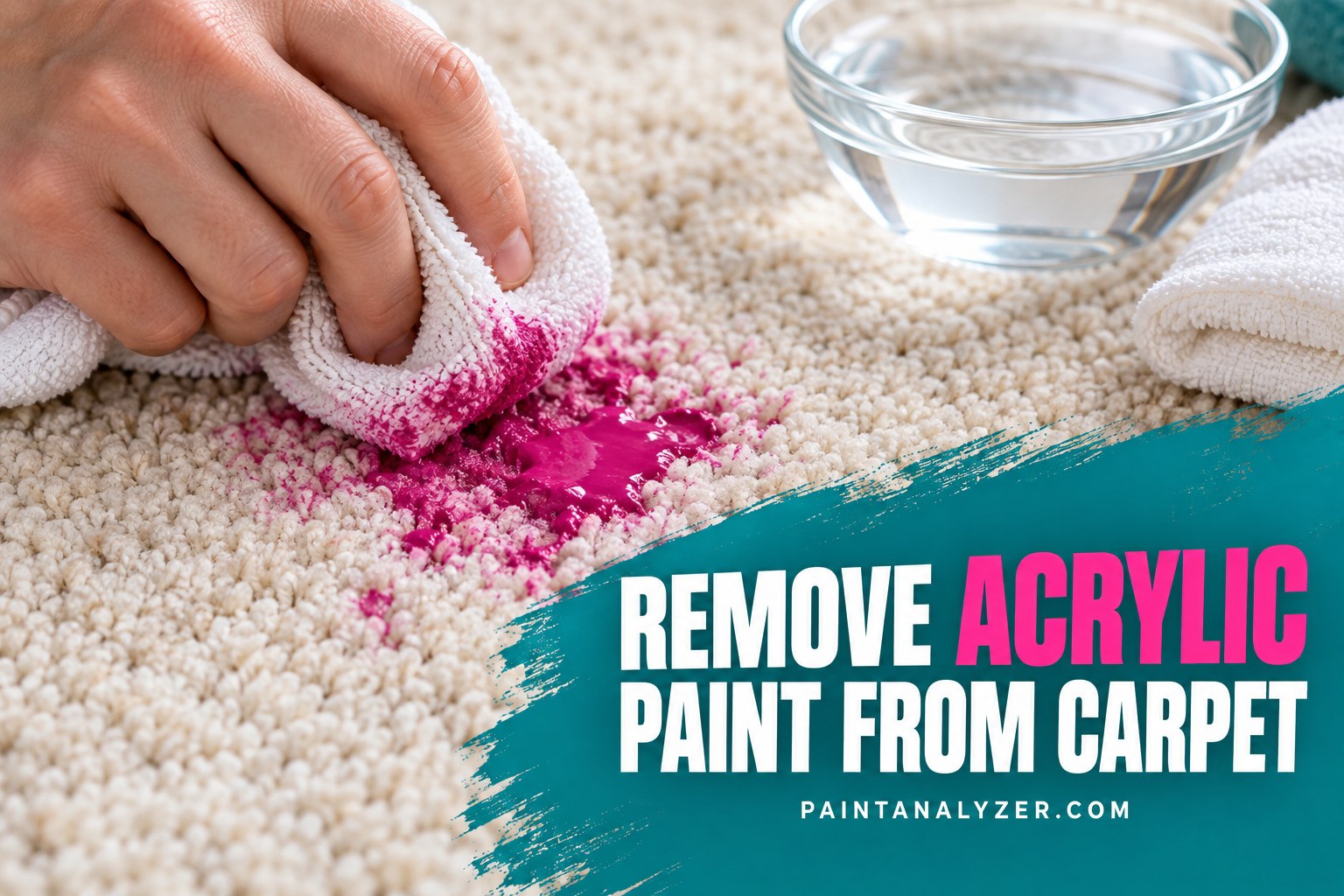
Wet acrylic on carpet is a straightforward blot-and-rinse job; fully dried acrylic needs a softening step first — and both are very different from removing dried paint from a hard surface.
Cardboard's absorbency and tendency to warp when wet are the two real challenges — sealing it first and using thin coats addresses both, more reliably than trying to paint it like a rigid, non-porous material.
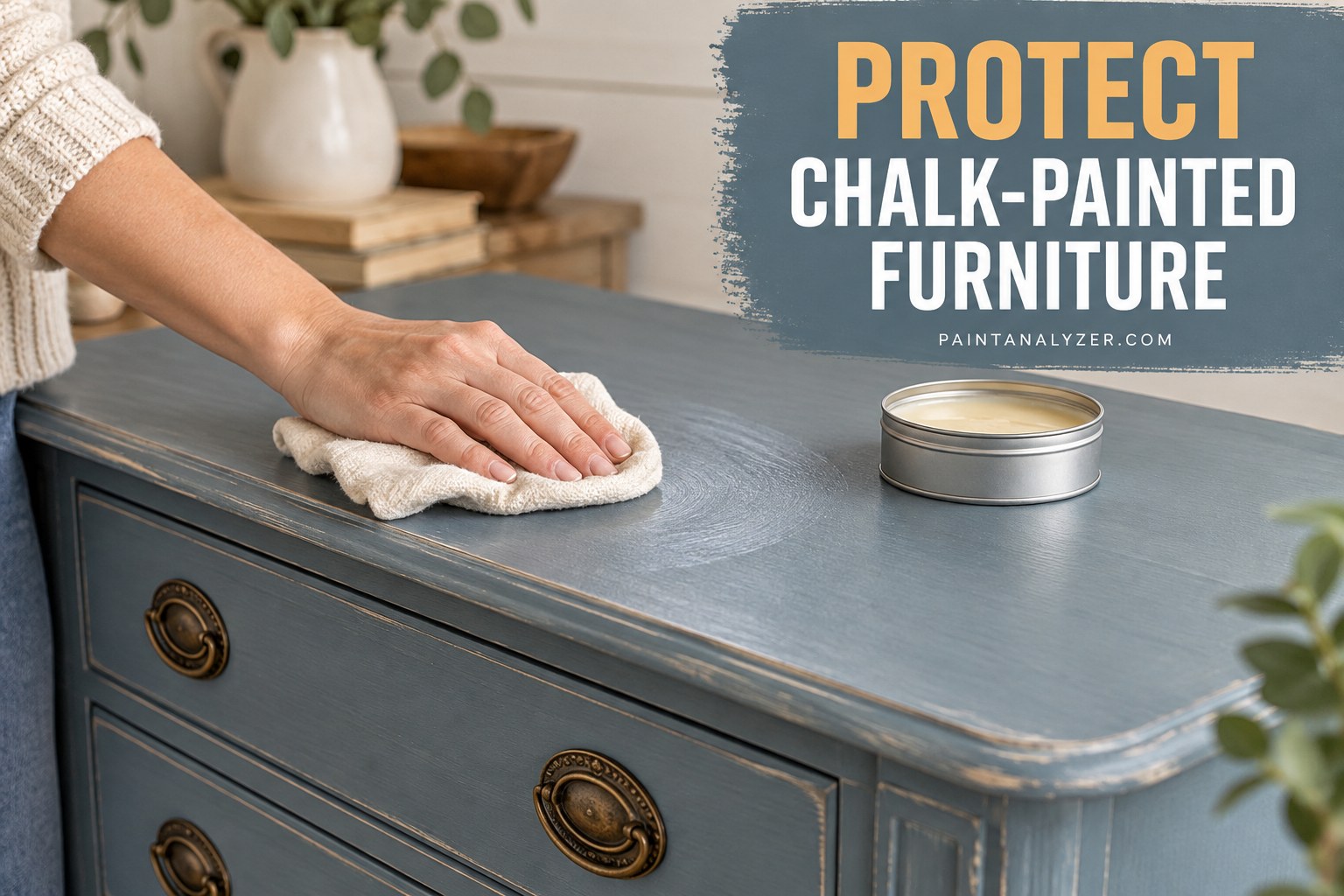
Chalk paint always needs a sealant, and the right choice — wax, polyacrylic, or polyurethane — depends on how much water and wear the specific piece will actually face.
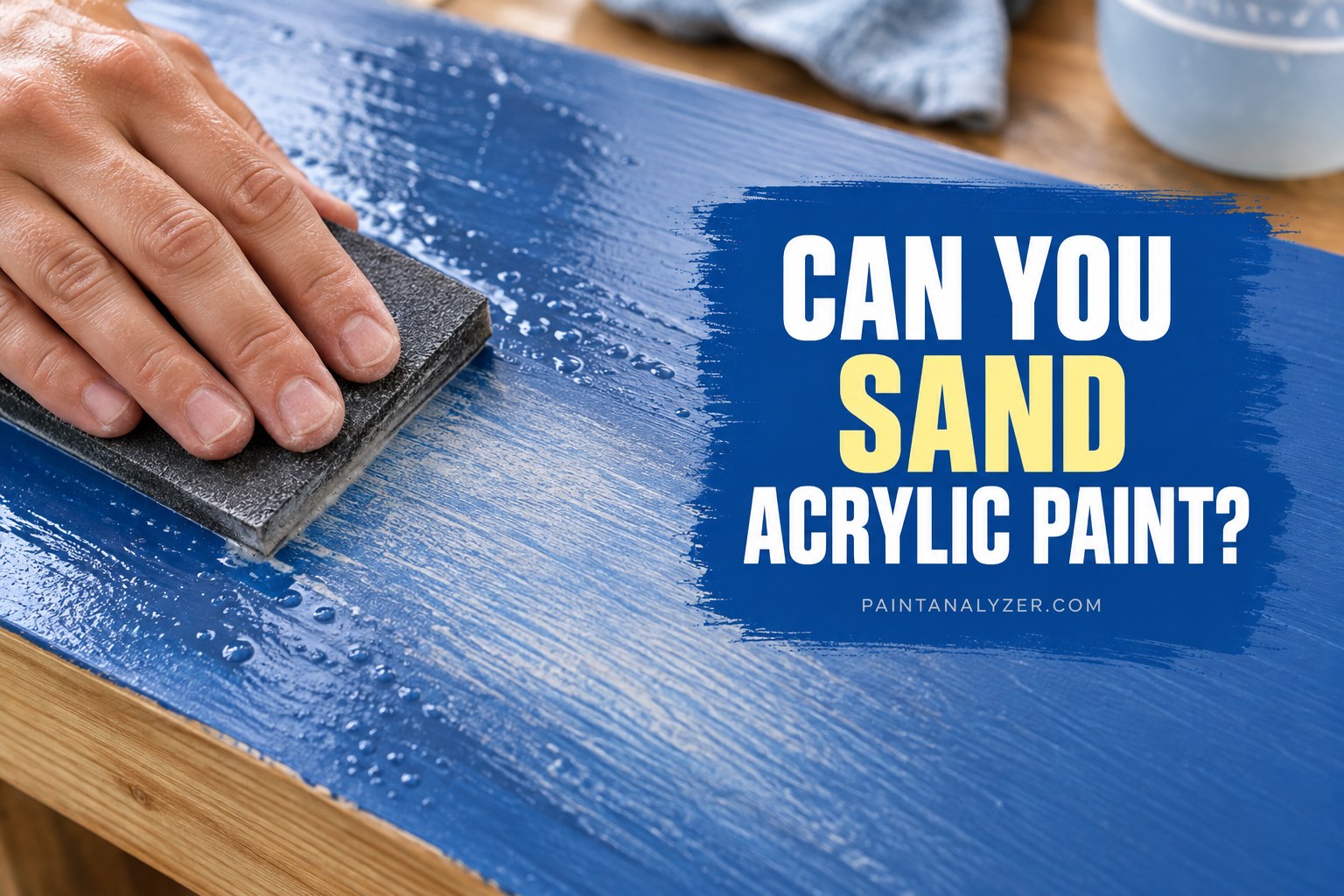
Yes, once fully cured — sanding acrylic paint smooths brush marks, blends layers, and preps for a topcoat, but sanding it before it's truly dry just gums up the sandpaper and smears the surface.