
Is Chalk Paint Waterproof? The Truth About Chalk Paint
Chalk paint on its own is genuinely not water-resistant — a proper wax or polyacrylic topcoat is what actually gives a chalk-painted piece any real water resistance.
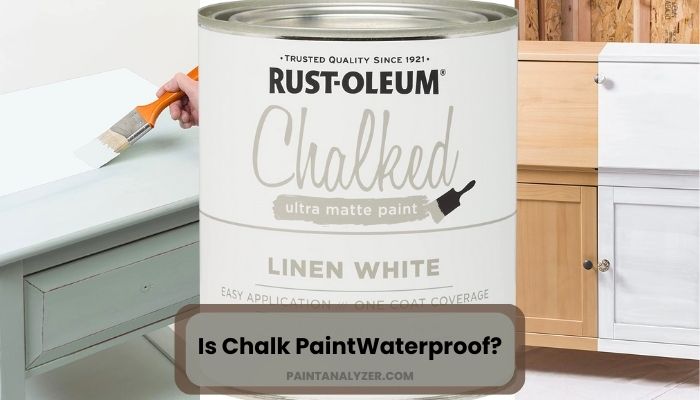
Chalk paint on its own is genuinely not waterproof or even especially water-resistant — its matte, porous, somewhat chalky surface actually absorbs moisture more readily than many other paint types, which is exactly why sealing it is considered a standard, near-essential step rather than an optional extra.
1. Why unsealed chalk paint has poor water resistance
Chalk paint's characteristic matte, slightly textured finish comes from a formulation that isn't designed to form the same tight, water-resistant film that glossier paints do — this same characteristic that gives chalk paint its distinctive look is what makes it genuinely vulnerable to water spotting, staining, and damage when left unsealed.
2. Wax as a sealant: water-resistant, not waterproof
A wax topcoat, the traditional chalk paint sealant, improves water resistance meaningfully over unsealed chalk paint but doesn't make the piece genuinely waterproof — wax can still be affected by standing water or heavy, sustained moisture exposure, making it suitable for typical furniture handling but not for something facing regular direct water contact.
3. Polyacrylic or polyurethane topcoats: better water resistance than wax
A polyacrylic or polyurethane topcoat over chalk paint provides meaningfully better water resistance than wax, forming a harder, more continuous protective film — for a piece more likely to encounter water (a bathroom vanity, a kitchen piece), this is the more reliable sealant choice over traditional wax.
4. Neither sealant makes chalk paint suitable for constant water immersion
Even with the more protective polyacrylic or polyurethane sealant, chalk-painted furniture isn't suitable for constant water immersion or heavy, sustained wet use — this remains a decorative furniture and craft paint, not a marine or heavy-duty wet-environment coating, regardless of the sealant chosen.
5. What to do about water damage on unsealed or wax-sealed chalk paint
A water spot or ring on unsealed or wax-only sealed chalk paint can sometimes be buffed out with additional wax, following the standard chalk paint waxing technique covered elsewhere — for more significant water damage, the affected area may need to be repainted and resealed.
6. The practical takeaway
Chalk paint always needs a sealant for any real-world durability, and the choice between wax and a harder topcoat like polyacrylic should be driven by how much water and general wear the specific piece will actually face — the more water exposure expected, the more a harder sealant makes sense over traditional wax.
Guides are researched against primary documentation and observable evidence. Archived material is rewritten, checked, and substantially improved before publication.