
How to Paint With White Portland Cement
White Portland cement, mixed into a paintable slurry, creates a genuinely different, textured, mineral-toned decorative finish compared to standard paint's smooth, uniform film.
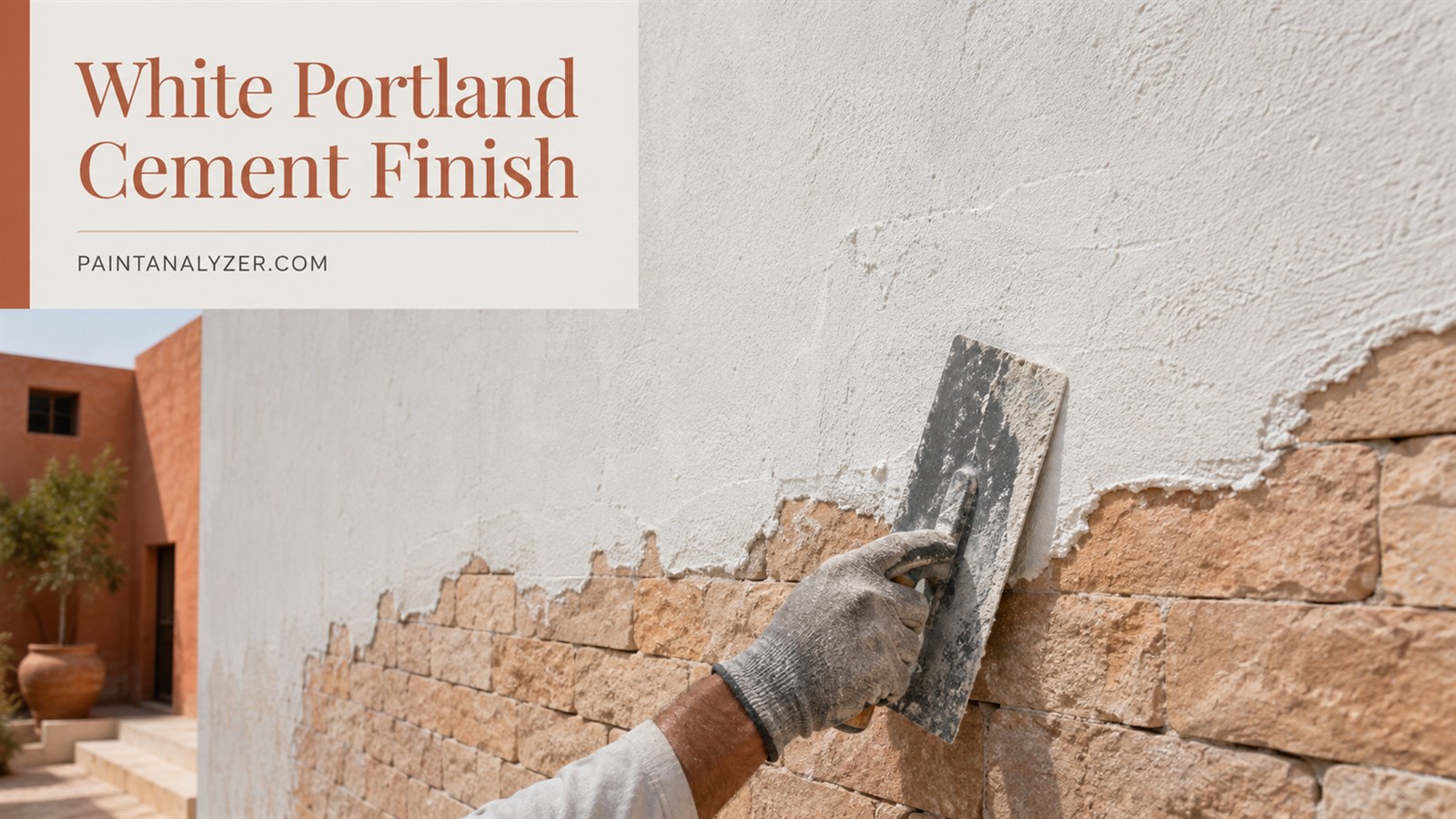
Using white Portland cement as a decorative "paint" is a specialty technique distinct from standard paint application — rather than a liquid pigment film, it's a mineral-based slurry that creates a textured, matte, stone-like appearance genuinely different from what conventional paint produces.
1. Prepare a cement-based paint mixture
White Portland cement is mixed with water (and sometimes a bonding acrylic additive to improve adhesion and reduce cracking) to a paintable, slurry-like consistency — the exact ratio depends on the specific desired texture and the product's own mixing instructions, and testing a small batch first helps dial in the right consistency before committing to the full project.
2. Prepare the surface appropriately
This technique works best on masonry, concrete, or other cement-compatible surfaces — following the same masonry prep principles covered elsewhere (cleaning, addressing any efflorescence, ensuring the surface is sound), a properly prepped surface gives the cement mixture something reliable to bond to.
3. Apply with a brush, trowel, or sponge depending on the desired texture
1. Apply the cement mixture in a thin layer using the chosen tool
2. Work in manageable sections to control drying time
3. Vary the application technique (brush strokes, trowel marks, sponge
   dabbing) to achieve the specific textured look wanted
4. Allow proper curing time between coats and before sealing
Cement-based coatings cure chemically (through hydration) rather than simply drying the way standard paint does — following the product's specific cure time between coats, and before any sealing, respects this different curing chemistry rather than assuming standard paint dry-time guidelines apply.
5. Seal the finished surface if added durability or water resistance is needed
A masonry sealer over the fully cured cement finish, following the same protective approach covered for other exterior masonry surfaces, adds water resistance and helps the decorative finish hold up to weathering if it's used outdoors.
6. Understand this is a genuinely different look than standard paint
The finished result reads as a matte, mineral, slightly textured stone-like surface rather than the smooth, uniform color film standard paint produces — this technique is specifically for achieving that distinct decorative look, not a substitute for standard paint on a project wanting a conventional smooth painted finish.
7. Practice on a test area or sample board first
Given how different this technique is from standard paint application, testing the mixture, application tool, and technique on a sample board or inconspicuous test area first helps confirm the approach achieves the desired look before committing to the actual project surface.
Guides are researched against primary documentation and observable evidence. Archived material is rewritten, checked, and substantially improved before publication.