
Do You Need to Use an Easel to Paint?
An easel isn't strictly required, but it offers genuine ergonomic and technical advantages over painting flat on a table that make it worth using for most serious painting work.
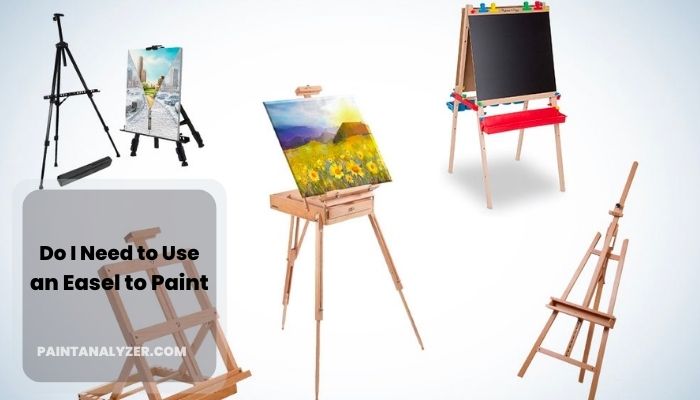
An easel isn't strictly necessary to paint — plenty of successful work is done with a canvas laid flat on a table — but it offers genuine, practical advantages that make it worth using for most painting sessions beyond a quick, casual project.
1. What an easel actually improves
An easel holds the canvas at an upright or angled position at a comfortable viewing height, letting a painter step back periodically to assess the work from a normal viewing distance and angle — this perspective is difficult to replicate with a canvas flat on a table, where you're always looking down at an angle rather than viewing it as it will eventually be displayed.
2. Ergonomic benefits of upright painting
Painting at an easel, standing or seated at a comfortable height, generally puts less strain on the back and neck during longer painting sessions than hunching over a flat table surface — this matters more the longer and more frequently someone paints.
3. Better control over paint consistency and drips
An upright canvas lets gravity work with certain techniques (like paint drips or washes) in ways a flat canvas can't replicate, and for thinner paint or watercolor-adjacent techniques, an easel's adjustable angle gives control over how much a wash flows versus stays put.
4. When painting flat still makes sense
Acrylic pour painting specifically relies on the canvas being flat and level, since the poured paint needs to spread and settle evenly under gravity — this is a genuine exception where flat, table-based painting is the correct approach rather than an easel.
5. Types of easels for different needs
A tabletop easel offers a portable, lower-cost option suited to smaller work, while a full studio easel provides more stability and adjustability for larger canvases and more serious, ongoing painting practice — matching easel type to the scale and frequency of painting work makes sense rather than assuming one type suits every situation.
6. Easels for outdoor or plein air painting
A lightweight, portable field easel is specifically designed for outdoor painting, offering stability on uneven ground and easy transport — this is a genuinely different category from a studio easel, purpose-built for the specific demands of painting away from a fixed indoor studio space.
7. The practical takeaway
An easel isn't mandatory, but its ergonomic and perspective advantages make it worth using for most standard painting work — reserve painting flat specifically for techniques like acrylic pouring that genuinely require it, rather than as a default alternative to investing in an easel.
Guides are researched against primary documentation and observable evidence. Archived material is rewritten, checked, and substantially improved before publication.