
How to Paint Cork Floors
Cork's soft, porous surface needs careful sanding and a flexible, floor-rated paint to hold up to foot traffic without cracking or chipping.
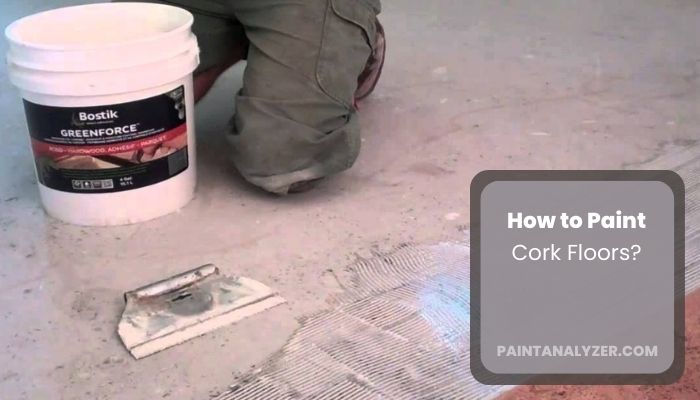
Cork flooring can be painted successfully, but its soft, porous, somewhat flexible surface calls for a different approach than painting a harder flooring material — the paint needs to be able to flex slightly with the cork without cracking, and the surface needs proper prep to hold onto that paint through regular foot traffic.
1. Clean thoroughly and let dry
Cork floors accumulate dust and can absorb spills into their porous surface — a thorough cleaning and full drying time before any sanding or painting work ensures the surface is genuinely ready for the next steps.
2. Sand lightly to promote adhesion
Cork's existing finish (often a factory sealant or wax) needs to be broken with light sanding, following the same deglossing principle covered for any sealed floor surface, so the new paint has a surface to properly adhere to rather than sitting on top of a slick existing coating.
3. Repair any damage before painting
Any chips, gouges, or worn spots in the cork should be addressed (a cork-compatible filler for damaged areas) before painting, since paint doesn't fix underlying surface damage and will simply follow the contour of any existing flaws.
4. Prime with a flexible, floor-appropriate primer
A primer formulated for flooring use, with some flexibility built into its formulation, helps the whole paint system move slightly with the cork's natural give rather than cracking under the flex of regular foot traffic.
5. Use a durable floor paint, not standard wall paint
Standard wall paint isn't formulated to handle the foot traffic, flexing, and cleaning a floor experiences — a dedicated floor paint (or a durable floor-rated enamel), following the same product-matching principle covered for other high-wear painted surfaces, holds up considerably better on cork specifically.
6. Apply in thin, even coats and allow full cure time
Multiple thin coats, each allowed to dry per the product's instructions, generally hold up better than one thick coat — and allowing the final coat to fully cure (not just surface-dry) before resuming regular foot traffic is essential for the paint's long-term durability on a floor surface.
7. Seal with a clear protective topcoat
A clear polyurethane or floor-specific sealer over the painted cork adds meaningful extra durability and makes the floor easier to clean going forward, following the same protective-topcoat logic covered for other painted floor surfaces throughout this site.
Guides are researched against primary documentation and observable evidence. Archived material is rewritten, checked, and substantially improved before publication.