
Acrylic vs Latex Paint: What's the Difference?
Acrylic and latex paint are often labeled interchangeably at the hardware store — here is what actually differs in the binder, and when the distinction matters.
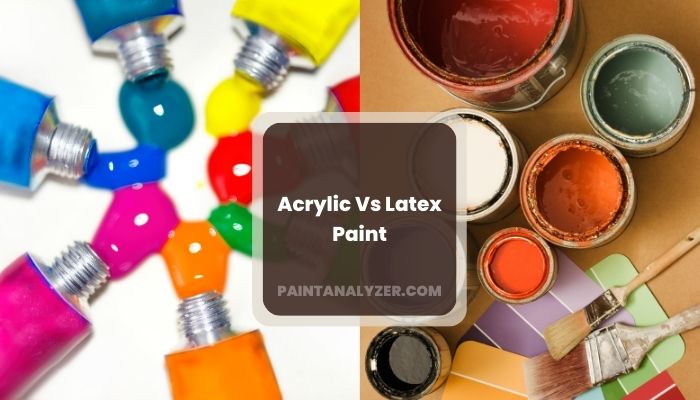
On architectural paint cans, "latex" usually means a water-based paint made with a synthetic polymer dispersion — it does not mean the can contains natural rubber latex. Many modern latex wall paints use acrylic or vinyl-acrylic binders, so the useful comparison is often 100% acrylic versus an acrylic/vinyl blend, not two completely separate paint families.
What the binder actually does
The binder is what holds pigment to the surface after the water evaporates. 100% acrylic binders form a more flexible, more durable film that resists cracking as the surface expands and contracts with temperature. Vinyl-acrylic blends (cheaper, often just labeled "latex" or "acrylic latex") are more rigid and less resistant to UV breakdown over time.
When it matters
- Exterior surfaces — a quality 100% acrylic architectural coating is often preferred because flexibility, adhesion, and weather resistance matter more outdoors.
- High-traffic interior trim — durability and cleanability matter more here than on a low-touch wall, so the binder and the product's intended use deserve closer attention.
- Standard interior walls — a quality acrylic/vinyl-acrylic wall paint can perform perfectly well when the surface is properly prepared and the product is intended for that room.
How to tell which you're buying
Check the technical data or label for the binder description instead of inferring it from the word "latex" alone. If the exact resin system matters for an exterior or specialty job and the can is vague, use the manufacturer's product data rather than guessing from price tier or marketing language.
Craft acrylic paint is a different product entirely
One common confusion: craft/art acrylic paint (the tubes and bottles used for canvas painting) is a much higher-pigment, thicker formulation than either wall paint category above, and isn't a substitute for either — it's not formulated for large-surface coverage, durability, or washability in a home-improvement context.
Why the word "latex" causes so much confusion
Paint names are not a clean chemistry taxonomy. "Latex" describes the water-borne category in everyday retail language, while "acrylic" can describe the binder chemistry inside that category. That is why one can may legitimately be labeled both acrylic and latex. When two cans are being compared for a real project, the intended substrate, interior/exterior rating, sheen, and product data tell you more than trying to sort them into two mutually exclusive labels.
100% acrylic is not automatically the best choice for every surface
A stronger binder does not erase the need for the right coating system. Masonry, metal, cabinets, floors, and previously oil-painted trim can each need different primers or specialty coatings. A premium acrylic wall paint used on a poorly-prepared slick cabinet door can fail sooner than a less expensive product that was actually designed for cabinetry. Match the coating to the substrate first; compare binder quality within the correct product category second.
Do not confuse dry-to-touch with final performance
Water-based architectural paint can feel dry long before the film has developed its final hardness and wash resistance. Scrubbing, sticking furniture against it, or reinstalling hardware too early can mark an otherwise sound paint job. Use the recoat and cure guidance on the specific product rather than assuming all "latex" or all acrylic paints behave on the same schedule.
For touch-ups, the exact product matters more than the generic label
Two paints can both be called acrylic latex and still differ in sheen, pigment, solids, texture, and color. A leftover can of vaguely similar "latex" paint is not a reliable touch-up substitute. If an invisible repair matters, match the original product, color, sheen, and application method as closely as possible; chemistry category alone will not make the patch disappear.
Guides are researched against primary documentation and observable evidence. Archived material is rewritten, checked, and substantially improved before publication.