
Can You Paint Enamel Over Latex?
Yes, and this is a common, well-supported combination for adding durability to trim or furniture originally painted with latex — the compatibility question depends mainly on whether the enamel is water- or oil-based.
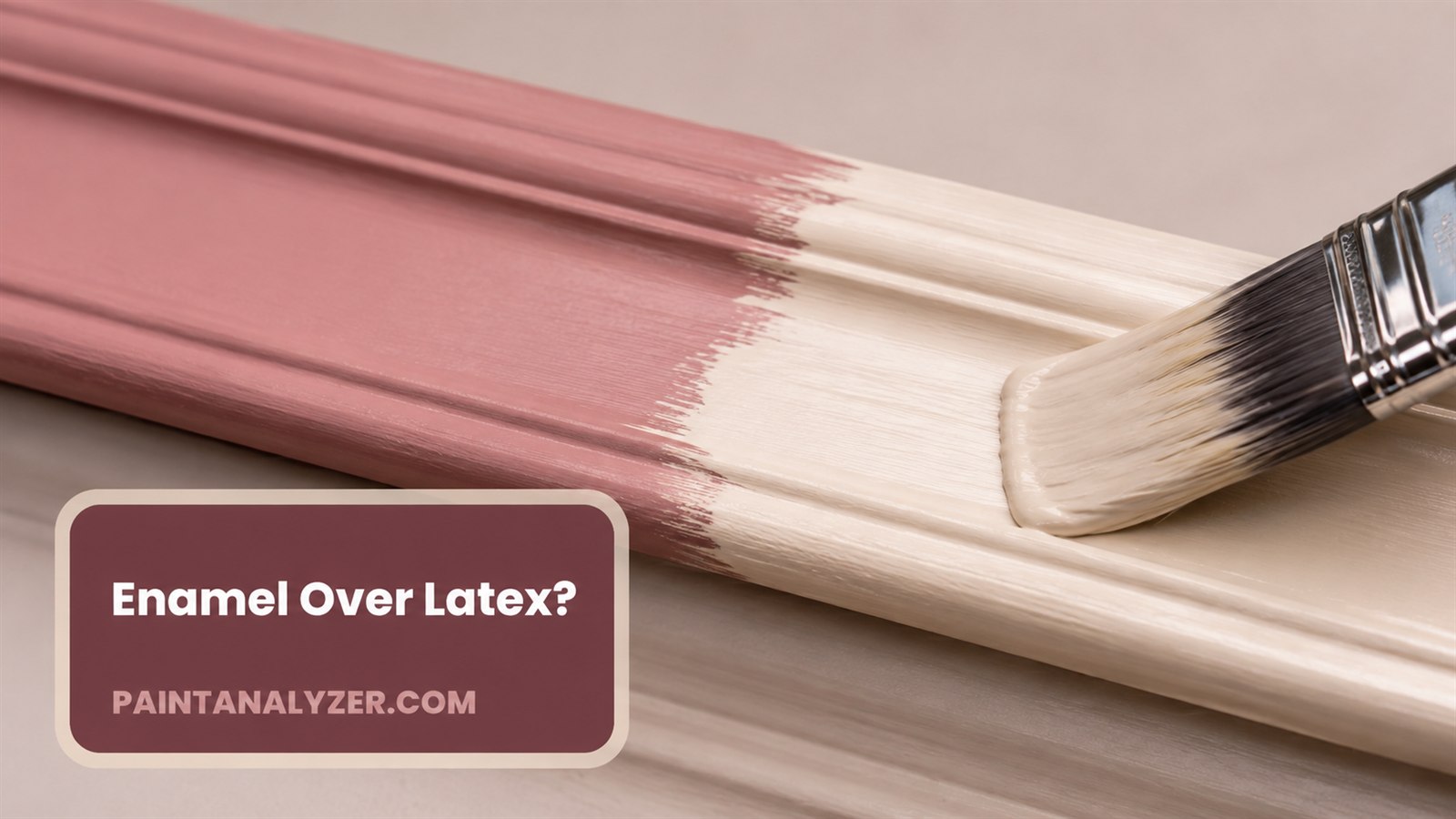
Applying enamel over an existing latex-painted surface is a common way to upgrade durability on trim, doors, or furniture originally painted with standard latex — the specific compatibility considerations depend on whether the enamel being used is water-based or oil-based, following the same logic covered for enamel's modern meaning generally.
1. Water-based (acrylic) enamel over latex — straightforward
A modern water-based acrylic enamel over latex is chemically similar to the acrylic-over-latex combination covered separately — naturally compatible, needing only standard cleaning and a light scuff-sand if the latex base has any real gloss.
2. Oil-based enamel over latex — needs a bit more care
Oil-based enamel over latex generally works, but the latex base should be genuinely fully cured first (not just dry to the touch) — applying oil-based enamel's solvents over incompletely cured latex risks affecting the still-curing base layer underneath, similar to the caution covered for lacquer over other paint types.
3. Cleaning and light sanding regardless of enamel type
1. Clean the latex surface thoroughly
2. Light scuff-sand if the latex has any gloss
3. Wipe away sanding dust before applying enamel
4. Why someone would switch from latex to enamel on the same piece
As covered for acrylic vs. enamel generally, enamel's harder, more durable cured film is the main reason to make this switch — a piece of furniture, trim, or a door originally painted with latex for convenience during initial painting, later upgraded to enamel specifically for better wear resistance on a high-touch surface, is a common and sensible reason for this combination.
5. Testing on a hidden spot for oil-based enamel specifically
Given the slightly higher risk with oil-based enamel over incompletely cured latex, testing on a small hidden area first — following the same precaution covered for lacquer over paint — is a reasonable extra step of caution before committing to the whole surface, particularly for a piece where the latex's cure history is uncertain.
6. Once applied, standard enamel care applies
After the enamel topcoat is fully cured, the surface behaves like any other enamel-finished piece — following standard care and cleaning practices for enamel rather than needing any ongoing special treatment related to the latex base underneath.
Guides are researched against primary documentation and observable evidence. Archived material is rewritten, checked, and substantially improved before publication.