
Can You Paint a Light Bulb With a Sharpie? A Safety Note
A standard incandescent bulb generates real heat during use, and coating it with a permanent marker or paint not rated for that heat creates a genuine fire risk that isn't worth the decorative effect.
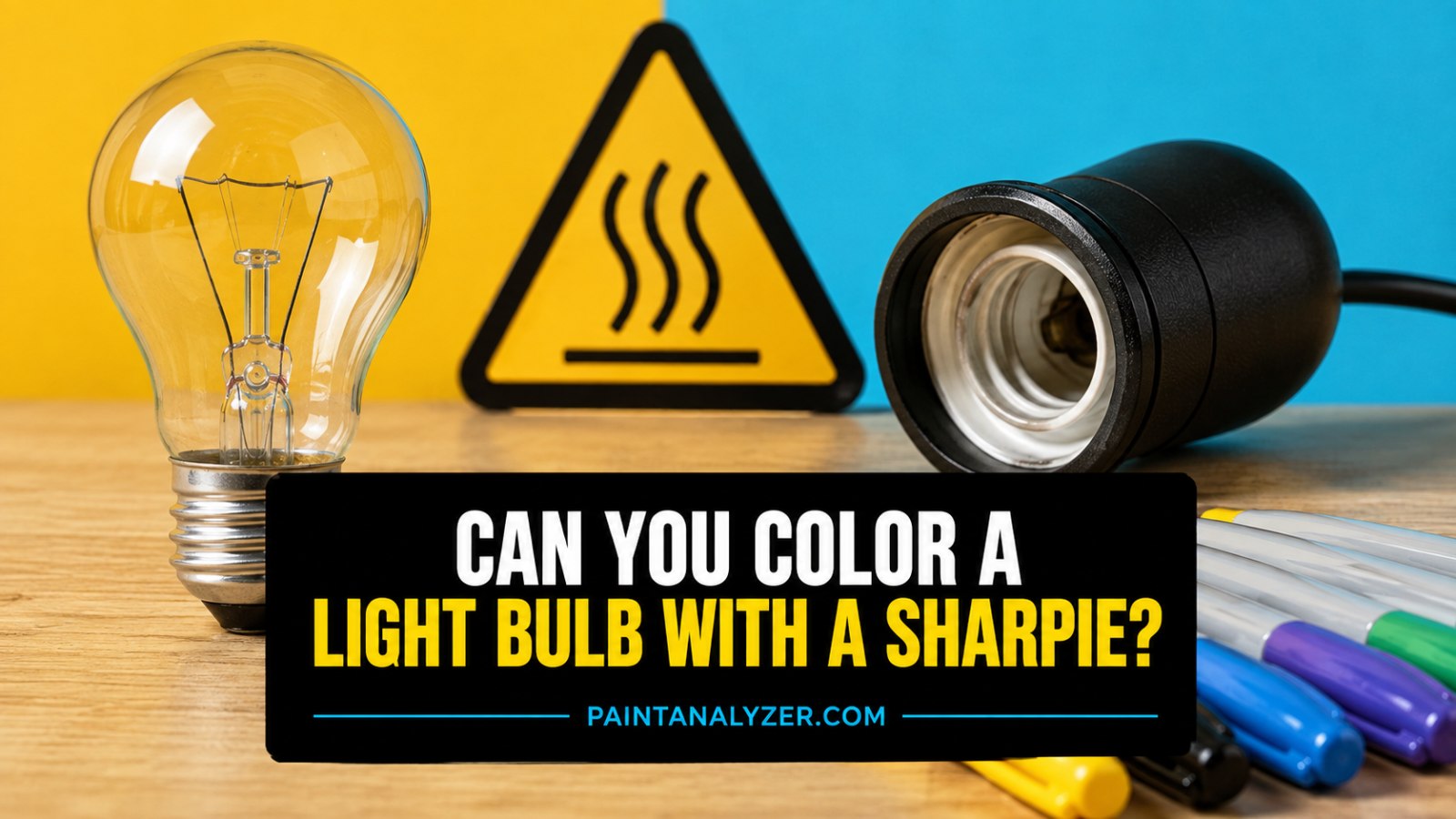
Coloring a light bulb with a Sharpie or other permanent marker is a popular idea for creating a tinted light effect, but it comes with a genuine safety consideration that's worth taking seriously rather than treating as a purely creative decision.
1. Why heat is the real concern here
Standard incandescent and halogen bulbs generate significant heat during normal operation — a coating not specifically rated to withstand that heat can degrade, smoke, or in some cases pose a genuine fire risk, since the coating sits directly against a heat-generating surface for extended periods.
2. Sharpie ink and standard permanent markers aren't heat-rated
Sharpie ink and similar permanent markers are not formulated or tested for sustained exposure to a hot bulb's surface temperature — this makes them a genuine mismatch for this specific application, regardless of how the coloring effect might look when the bulb is off.
3. LED bulbs generate considerably less heat, but still aren't a recommended surface for this
LED bulbs run cooler than incandescent or halogen bulbs, somewhat reducing (but not eliminating) the heat-related concern — even so, coating any bulb with a product not specifically designed and rated for that use isn't a recommended practice, given the uncertainty around how a specific marker ink or paint will behave over repeated heating and cooling cycles.
4. What to use instead for a genuinely colored light effect
Bulbs specifically manufactured with colored glass or coatings, rated for standard bulb operating temperatures by the manufacturer, are the appropriate and safe way to achieve a colored light effect — these products have actually been tested and rated for this exact use, unlike an improvised marker or paint coating.
5. Colored light films or gels as a safer alternative
For a temporary colored lighting effect, a heat-rated lighting gel or film, placed over a lampshade or fixture rather than directly on the bulb's hot surface, achieves a similar visual effect without the heat-exposure concern of coating the bulb itself.
6. Why this specific idea persists despite the risk
The appeal of a quick, cheap way to tint a bulb's light is understandable, and the risk isn't necessarily immediate or obvious, which is part of why this idea circulates — but the mismatch between an uncertified coating and a genuinely hot surface is a real, avoidable risk given that properly rated colored bulbs are widely available.
7. The practical takeaway
Skip coating a bulb with Sharpie or any other uncertified marker or paint, and choose a manufactured colored bulb or a heat-rated lighting film instead — the small convenience of a DIY approach isn't worth the genuine, avoidable fire risk involved.
Guides are researched against primary documentation and observable evidence. Archived material is rewritten, checked, and substantially improved before publication.