
Can You Use a Laser for Rust and Paint Removal?
Laser cleaning is a genuine, increasingly available professional technology for removing rust and paint without chemicals or abrasion, though it remains a specialized, professional-grade option rather than a typical DIY tool.
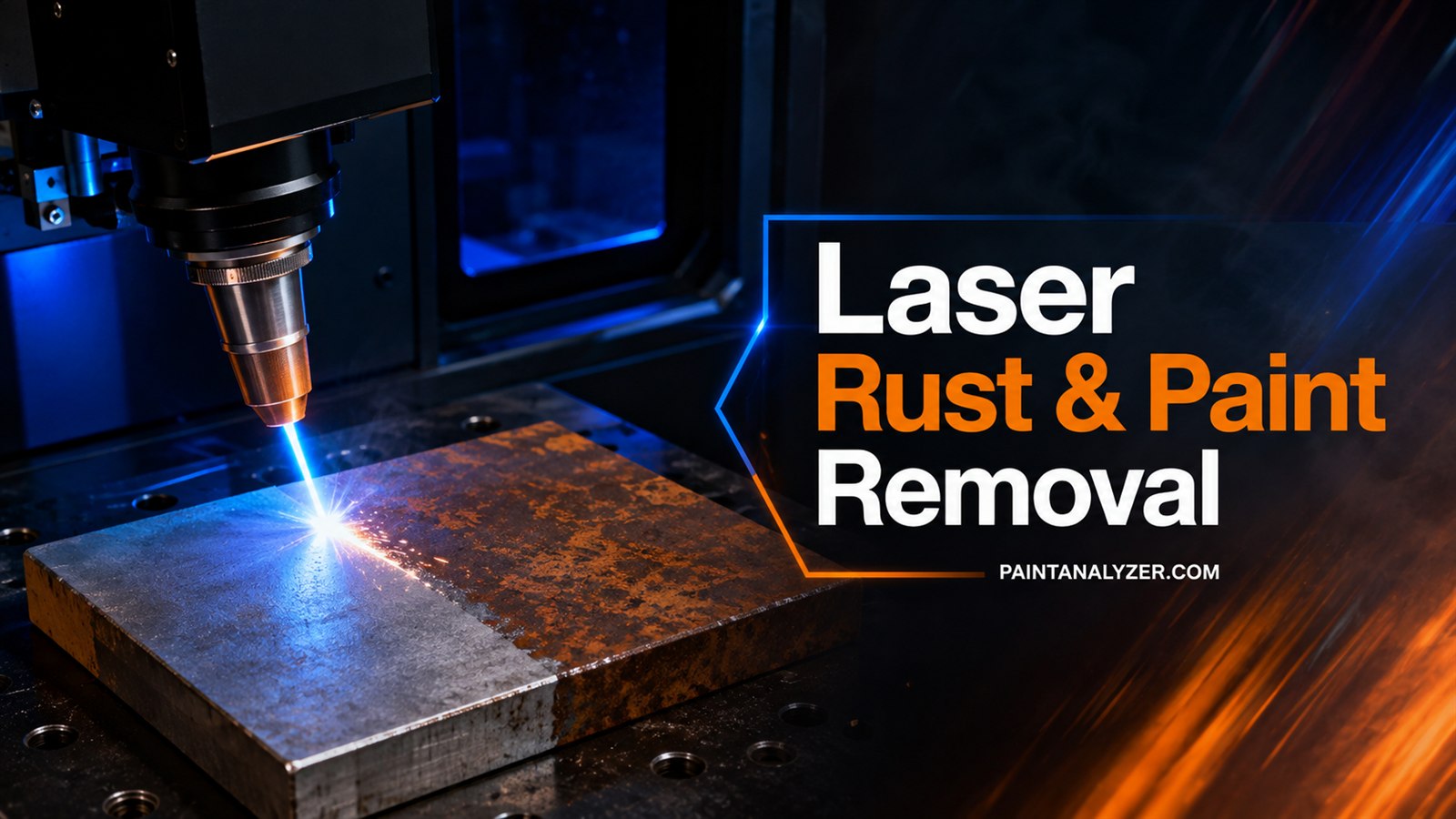
Laser cleaning is a genuine and increasingly available technology for removing rust and paint, using a focused laser beam to vaporize surface contaminants without the chemicals of a stripper or the abrasion of sanding — it remains, for now, primarily a professional and industrial tool rather than a typical home DIY option.
1. How laser cleaning actually works
A laser cleaning system directs a focused, high-energy beam at the surface, which vaporizes rust, paint, or other coatings through a process called laser ablation, without physically contacting the surface the way sanding or scraping does, and without introducing any chemical stripping agent.
2. Genuine advantages of laser cleaning
Laser cleaning avoids the chemical exposure and disposal concerns of chemical strippers, avoids the physical abrasion risk of sanding, and can be precisely controlled to remove only the coating while leaving the base material largely undisturbed — these are real, meaningful advantages for the right application.
3. Common professional and industrial applications
Laser cleaning is used in industrial settings for rust and coating removal from metal components, in some automotive restoration work, and increasingly for historical restoration projects where preserving delicate underlying material matters — these are the current mainstream applications for this technology.
4. Cost and equipment accessibility for typical DIY use
Laser cleaning equipment remains genuinely expensive and specialized compared to standard paint and rust removal tools — for a typical home project, this cost and equipment barrier makes it impractical compared to the chemical, mechanical, and heat-based methods covered throughout this site.
5. Safety considerations specific to laser cleaning
Laser cleaning equipment requires proper safety training and protective equipment (specifically eye protection rated for the laser type in use) given the genuine hazards a high-powered laser presents — this isn't equipment to improvise with casually, unlike more familiar tools like sandpaper or a chemical stripper.
6. Where a professional laser cleaning service might be worth considering
For a genuinely valuable or delicate piece — a classic car restoration, a historical artifact, detailed metalwork — where preserving the base material with minimal physical or chemical disturbance is a priority, seeking out a professional laser cleaning service is a reasonable option to research, even though the equipment itself isn't a practical home purchase.
7. The practical takeaway for most home projects
For the vast majority of home paint and rust removal projects, the chemical, mechanical, and heat-based methods covered throughout this site remain the practical, accessible choices — laser cleaning is a genuinely interesting and effective technology, but one that currently sits firmly in professional and industrial territory rather than typical DIY reach.
Guides are researched against primary documentation and observable evidence. Archived material is rewritten, checked, and substantially improved before publication.