
Is Acrylic Paint Permanent?
Once fully cured, acrylic paint is genuinely durable and water-resistant, but "permanent" has limits — it can still be removed with the right solvent or sanding, and isn't indestructible against everything.
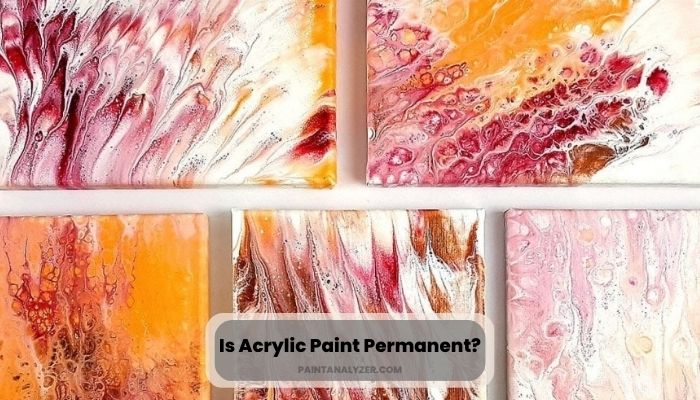
Fully cured acrylic paint is genuinely durable and water-resistant — it doesn't wash away or reactivate with water the way it did while wet, which is the practical sense in which it's "permanent." But that word has real limits worth understanding, since acrylic paint can still be removed deliberately, and isn't indestructible against every kind of exposure.
1. What "permanent" actually means once cured
Once acrylic paint has fully cured, it forms a stable, cross-linked polymer film that no longer reactivates with water — this is the meaningful sense in which it's permanent, distinguishing it clearly from products like true watercolor, which remain water-reactivatable indefinitely, as covered for the acrylic-vs-watercolor comparison.
2. It can still be removed with the right method
As covered throughout this site for removing acrylic paint from various surfaces, cured acrylic can be stripped with the appropriate solvent, sanded off, or otherwise deliberately removed — "permanent" describes its resistance to accidental water exposure, not an inability to ever be removed by someone specifically trying to.
3. Durability against everyday wear varies by surface and use
Acrylic paint on a low-handling decorative surface holds up essentially indefinitely under normal conditions — on a high-wear surface without a protective topcoat, it can chip, scratch, or wear thin over time from repeated handling, following the same durability considerations covered for choosing enamel over standard acrylic on demanding surfaces.
4. UV exposure affects long-term permanence
Extended direct sun exposure can fade and, over enough years, degrade acrylic paint's pigment and binder — "permanent" in the water-resistance sense doesn't mean permanently immune to UV-related fading, which is why exterior-rated acrylic formulations include additional UV-resistant additives beyond what standard craft acrylic contains.
5. Adding a protective topcoat extends practical permanence
As covered for sealing acrylic-painted furniture and other high-use surfaces, a clear polyurethane or polycrylic topcoat meaningfully extends how long acrylic paint's appearance holds up against handling, cleaning, and general wear — a reasonable step for anything beyond a purely decorative, low-contact piece.
6. The practical takeaway
Cured acrylic paint is permanent in the sense that matters most for everyday use — it won't wash off or smear with normal water exposure — but it's not indestructible, and both physical wear and UV exposure can affect it over time, with a protective topcoat being the standard way to meaningfully extend its practical durability.
Guides are researched against primary documentation and observable evidence. Archived material is rewritten, checked, and substantially improved before publication.