How to Get Acrylic Paint Out of Carpet
Wet acrylic on carpet is a straightforward blot-and-rinse job; fully dried acrylic needs a softening step first — and both are very different from removing dried paint from a hard surface.
Painting techniques for wood, walls, ceilings, and more.
Wet acrylic on carpet is a straightforward blot-and-rinse job; fully dried acrylic needs a softening step first — and both are very different from removing dried paint from a hard surface.
A DIY swab test kit is a reasonable first check on any home built before 1978 — a positive result (or genuine uncertainty about the stakes) is the point to bring in an EPA-certified professional instead.
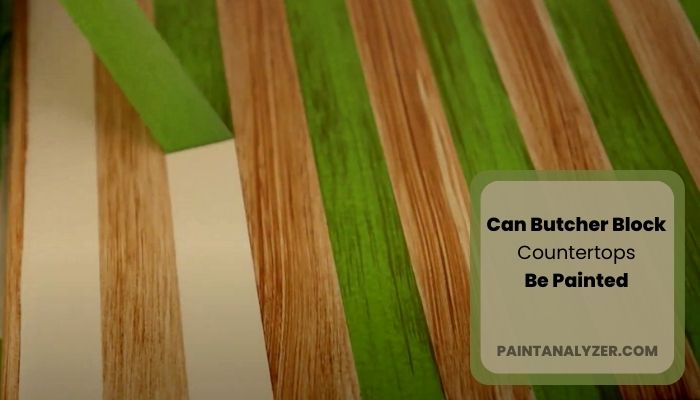
Yes, with the same food-safety consideration covered for choosing a butcher block finish generally — full opaque paint works, but it needs a genuinely food-safe topcoat if the surface still does any food-prep duty.
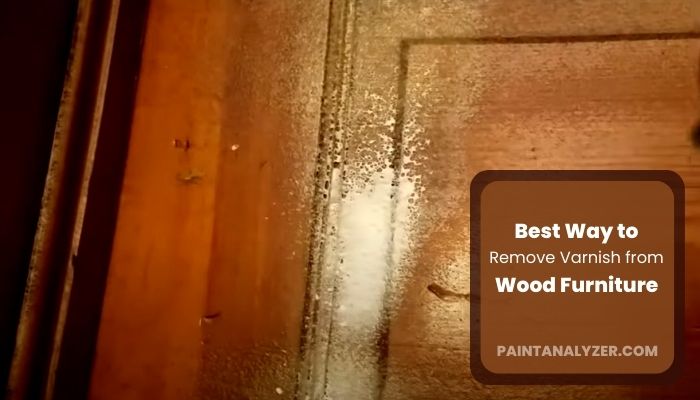
Chemical stripper remains the most reliable method for a full, even removal on furniture with real detail — heat and sanding both work too, but each comes with a real trade-off worth weighing against the piece's specific shape and condition.
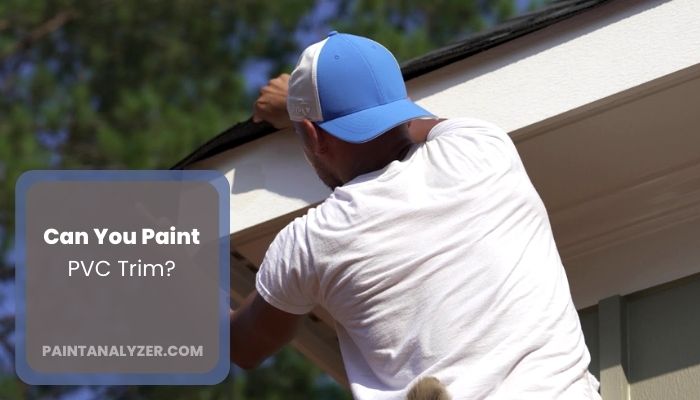
Yes — many PVC trim products actually come factory-primed specifically for painting, and the main technical concern is PVC's heat sensitivity when choosing a color.
Yes, and it's one of the most effective, budget-friendly ways to modernize a room with dated wood paneling — the grooved texture just needs the same thicker-nap-roller and detail-brush approach covered for other textured surfaces.
Yes, but anodizing is specifically an extremely hard, sealed surface treatment — which means it needs more aggressive deglossing or etching than typical bare or painted aluminum to actually accept new paint.
Yes, but standard paint flexes poorly on a flexible surface and cracks over time — a flexible, rubber-specific paint (or one formulated for flexible substrates) is what actually holds up.
Yes, but not right away — freshly pressure-treated wood is saturated with moisture from the treatment process and needs time to dry out fully before paint will actually adhere properly.
Concrete and asphalt need different approaches — a solvent strong enough to lift spray paint from concrete can damage asphalt's own binder.
Brick's porosity and texture are the two things that drive every decision here — the right roller nap to actually reach into the surface, and a masonry-appropriate primer so the wall doesn't drink an entire coat before it even shows color.
Yes, but the right paint depends entirely on the kayak's material — polyethylene needs a genuinely specialized plastic-adhesion approach that most standard paints, even good bonding primers, still struggle with.