
How to Paint a Rough Brick Wall (Exterior and Interior)
Brick's porosity and texture are the two things that drive every decision here — the right roller nap to actually reach into the surface, and a masonry-appropriate primer so the wall doesn't drink an entire coat before it even shows color.
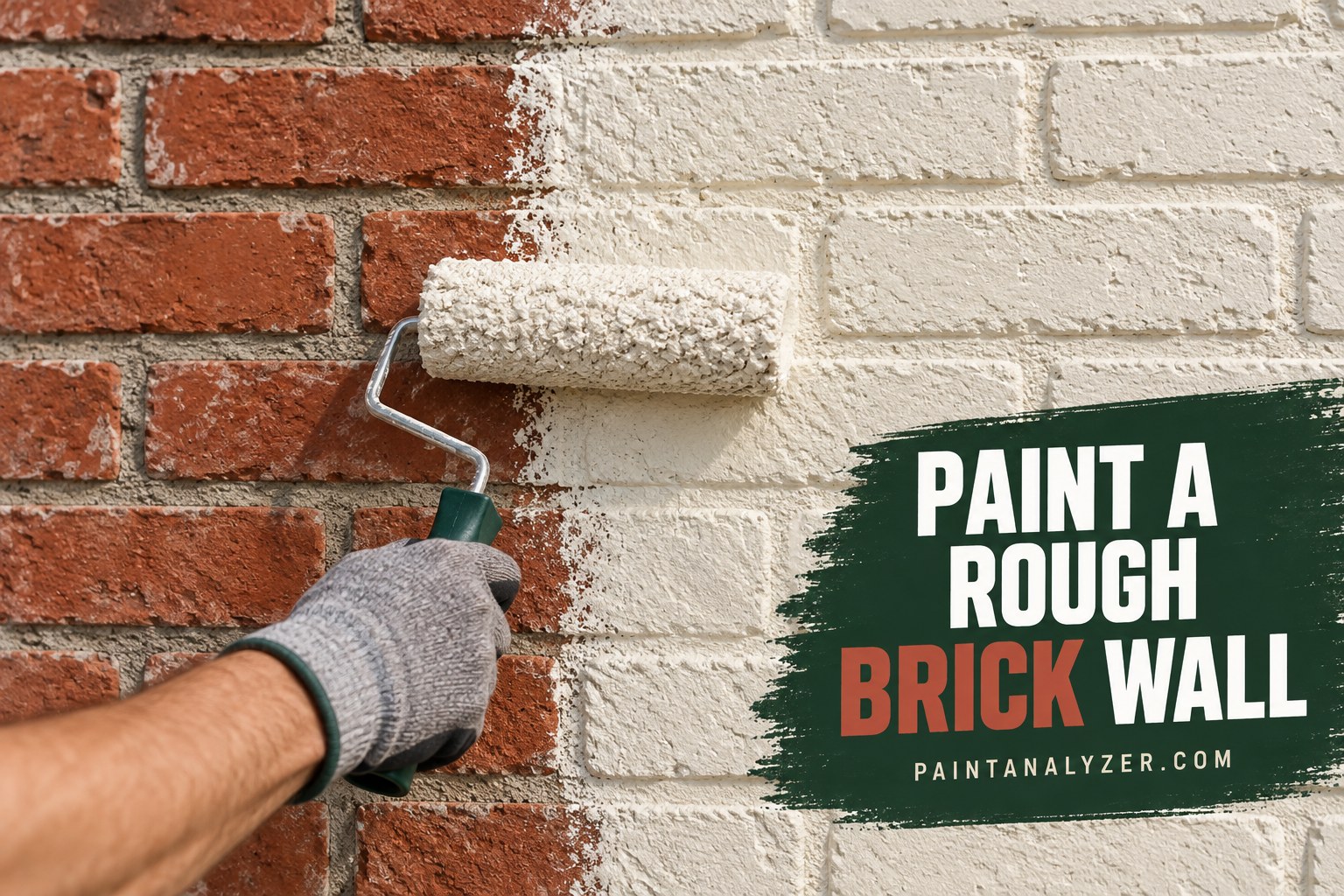
Brick is more porous and more texturally uneven than drywall or wood siding, which changes several things about how it needs to be painted — from the tools that actually reach into the surface, to how much paint it absorbs before color starts to build evenly.
1. Clean the brick thoroughly
Brick accumulates dust, efflorescence (the white, powdery mineral deposits that form as moisture moves through masonry), mildew, and — outdoors — years of grime. Scrub with a stiff brush and a masonry cleaner or a mild TSP solution, rinse thoroughly, and let it dry completely (this can take several days for exterior brick after a wash, since brick holds moisture in its pores far longer than a smooth surface would).
2. Repair any damaged mortar or spalling brick first
Cracked mortar joints or spalling (flaking, crumbling) brick surface should be repaired before painting, not after — paint doesn't fix a structural or moisture problem, and painting over damaged mortar just hides an issue that will keep deteriorating underneath the new paint film.
3. Prime with a masonry-specific primer
Brick's alkaline nature (from the lime in mortar and some brick compositions) can react with and degrade certain paints over time if applied without the right primer — a masonry primer (often labeled specifically for block, brick, or stucco) is formulated to handle that alkalinity and to seal the surface's porosity, so the topcoat isn't absorbed unevenly.
4. Choose a breathable, masonry-rated paint
This matters more for brick than almost any other surface: brick and mortar need to let moisture vapor pass through them, especially outdoors, or trapped moisture behind a non-breathable paint film can cause the paint to blister and peel, and in colder climates can contribute to freeze-thaw damage to the brick itself. Elastomeric and standard 100% acrylic masonry paints are generally vapor-permeable enough for this; a paint not rated for masonry may not be.
5. Use a thick-nap roller to actually reach the texture
A standard 3/8" roller nap, made for smooth walls, skips across brick's deep texture without depositing paint into the recessed mortar lines and rough brick face. A 3/4" to 1" nap roller (sometimes labeled specifically for "rough surfaces" or masonry) reaches into that texture far more completely.
6. Brush the mortar joints and edges separately
Even with a thick-nap roller, the deepest mortar joints and brick edges usually need a stiff-bristle brush worked in after rolling, to make sure paint actually reaches the bottom of every recessed line rather than just bridging over the high points of the brick face.
7. Expect to use more paint than a comparable smooth wall
Brick's porosity and texture both increase paint consumption significantly compared to drywall or smooth siding of the same square footage — budgeting for roughly 1.5–2x the paint (and sometimes a third coat on very porous, unprimed-feeling brick) avoids running short mid-project.
Guides are researched against primary documentation and observable evidence. Archived material is rewritten, checked, and substantially improved before publication.