
Can You Paint a Kayak?
Yes, but the right paint depends entirely on the kayak's material — polyethylene needs a genuinely specialized plastic-adhesion approach that most standard paints, even good bonding primers, still struggle with.
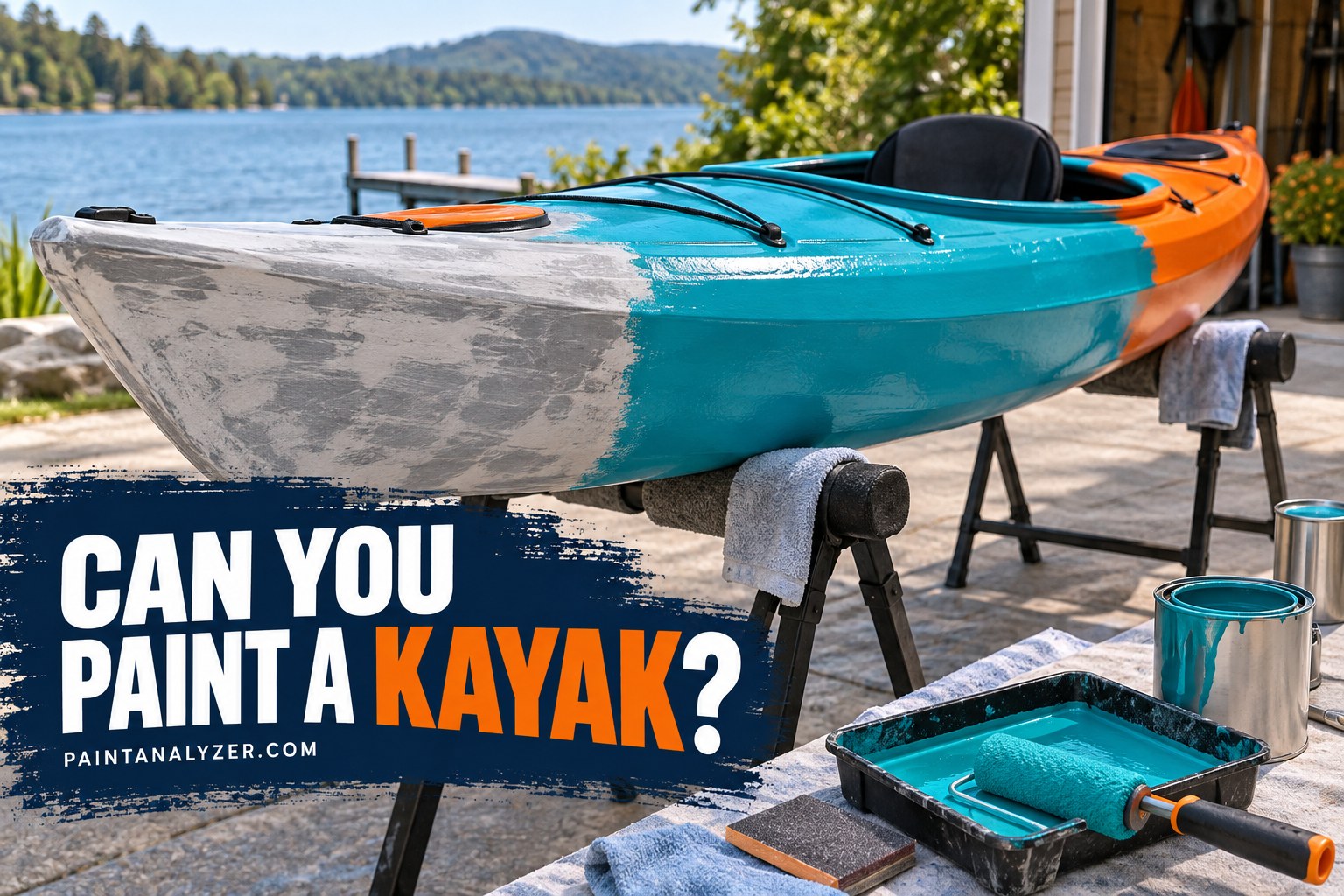
Painting a kayak is a real, doable project, but the correct approach depends heavily on the kayak's hull material — polyethylene (the most common, budget-friendly kayak material) is genuinely one of the hardest plastics to get paint to adhere to reliably, more so than fiberglass or composite kayaks.
1. Identify the hull material first — this changes everything
- Polyethylene (most recreational/budget kayaks) — a very low-surface-energy plastic that resists paint adhesion more stubbornly than most other plastics.
- Fiberglass or composite kayaks — behave similarly to other fiberglass items (like a fiberglass tub) and are considerably more receptive to standard paint-and-primer systems.
- Roto-molded plastic — often the same or similar challenge to polyethylene.
2. Painting a polyethylene kayak — the harder case
Standard bonding primers that work reasonably well on many plastics often still underperform on polyethylene specifically, due to its unusually low surface energy — flame treatment (a specialized technique briefly passing an open flame over the surface to alter its chemistry) is sometimes used in more serious polyethylene-painting projects, since chemical adhesion promotion alone is often insufficient. For a DIY approach without flame treatment, a plastic adhesion promoter specifically tested and marketed for polyethylene (not just "plastic" generally), followed by a flexible exterior paint, gives the best realistic chance of durable adhesion.
3. Painting a fiberglass kayak — more straightforward
A fiberglass kayak follows the same general approach covered for fiberglass generally — clean thoroughly, lightly sand to break any gel-coat gloss, prime with a product rated for fiberglass/marine use, and apply a marine-rated topcoat. This is a considerably more standard, predictable process than polyethylene.
4. Use marine-rated products regardless of material
Whatever the hull material, a kayak experiences constant water exposure, UV exposure, and physical abrasion (scraping against rocks, sand, docks) — marine-specific paint and primer products are formulated for exactly this combination of stresses, considerably more so than general household exterior paint.
5. Realistic durability expectations, especially on polyethylene
Even with the best available prep and products, paint on a polyethylene kayak is genuinely more prone to chipping and wear from the abrasion a kayak experiences than paint on a less adhesion-resistant material — setting realistic expectations for touch-ups and being prepared for more frequent maintenance is part of taking on this project with eyes open, especially compared to how well the same paint might hold up on fiberglass.
6. Consider whether the goal is full coverage or just cosmetic touch-up
For minor scratches or scuffs rather than a full color change, some kayak manufacturers sell color-matched polyethylene repair sticks or compounds specifically for this — a more targeted, lower-effort solution than a full repaint, worth checking for as an alternative if the actual goal is fixing visible wear rather than changing the kayak's overall color.
Guides are researched against primary documentation and observable evidence. Archived material is rewritten, checked, and substantially improved before publication.