
What Is the Best Paint to Use on Barn Wood?
Rough, weathered barn wood calls for a paint that can handle an absorbent, uneven surface and genuine outdoor exposure — durability and proper prep matter more here than for typical exterior wood.
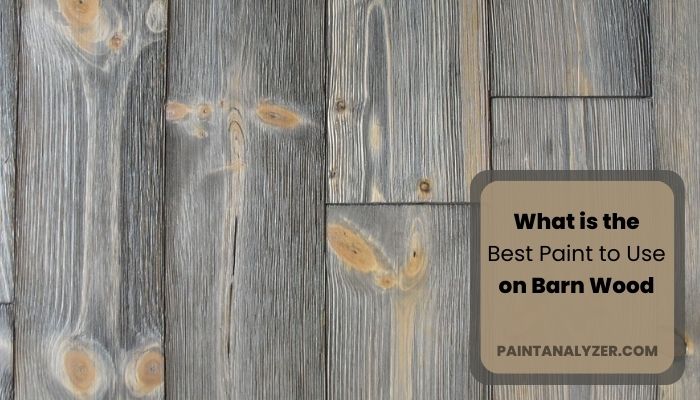
Barn wood — whether an actual working barn's exterior siding or reclaimed barn wood used decoratively — presents a somewhat different painting challenge than typical exterior trim or siding, given its often rough, weathered, and highly absorbent surface texture.
1. Understand what makes barn wood's surface different
Weathered barn wood is often more porous and absorbent than newer, milled lumber, having lost some of its natural oils and surface integrity to years of weather exposure — this affects how much paint the surface absorbs and how evenly it will be able to cure and adhere.
2. Clean and address any structural wood issues first
Removing loose debris, dirt, and any failing old paint, and addressing genuine wood rot or structural damage (which paint doesn't fix), sets up the rest of the process — following standard exterior wood prep covered throughout this site, applied with extra attention given barn wood's often more weathered starting condition.
3. Choose a paint formulated for exterior wood durability
A quality 100% acrylic exterior paint, formulated for genuine outdoor exposure and flexibility with wood's natural expansion and contraction, is generally the most practical choice for a working barn's exterior siding, given the sustained weather exposure it will face.
4. Consider stain as an alternative for a more traditional or rustic look
Many barns are traditionally stained (often in the classic barn red or left to weather naturally) rather than painted with an opaque topcoat — a semi-transparent or solid-color exterior stain, following the general paint-vs-stain trade-offs covered elsewhere, is a legitimate alternative that preserves more of the wood's natural texture.
5. Prime porous or bare wood sections
Particularly absorbent or bare wood sections benefit from a coat of exterior wood primer before the topcoat, giving more even color coverage and helping the topcoat adhere more consistently across a surface that might otherwise absorb paint unevenly from section to section.
6. For decorative reclaimed barn wood indoors, different considerations apply
Reclaimed barn wood used decoratively indoors (furniture, accent walls) doesn't face the same weather exposure as an actual barn exterior, so the paint or finish choice can prioritize appearance and indoor durability over weather resistance — a clear sealer to preserve and protect the wood's rustic character, rather than opaque paint, is a popular choice specifically for this decorative indoor use case.
7. Reapplication schedule for an actual working barn
An exterior barn repaint or restain, given the sustained weather exposure a barn's large surface area faces, generally needs reapplication on a periodic cycle (following the specific product's expected service life) — planning for this ongoing maintenance is part of realistically maintaining a barn's exterior appearance and wood protection over time.
Guides are researched against primary documentation and observable evidence. Archived material is rewritten, checked, and substantially improved before publication.